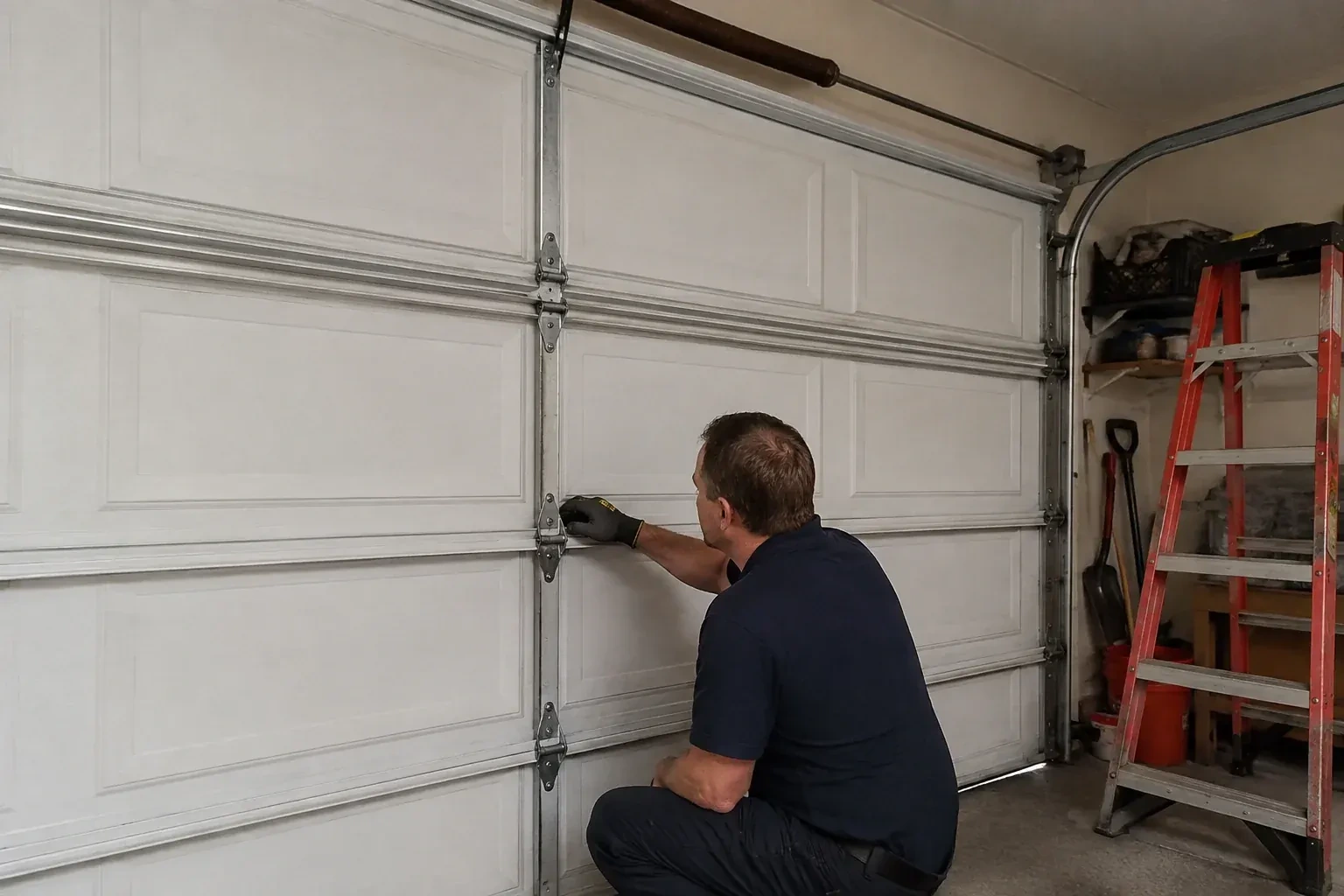
Garage Doors in Grantham, OntarioNew siding.New door to match.
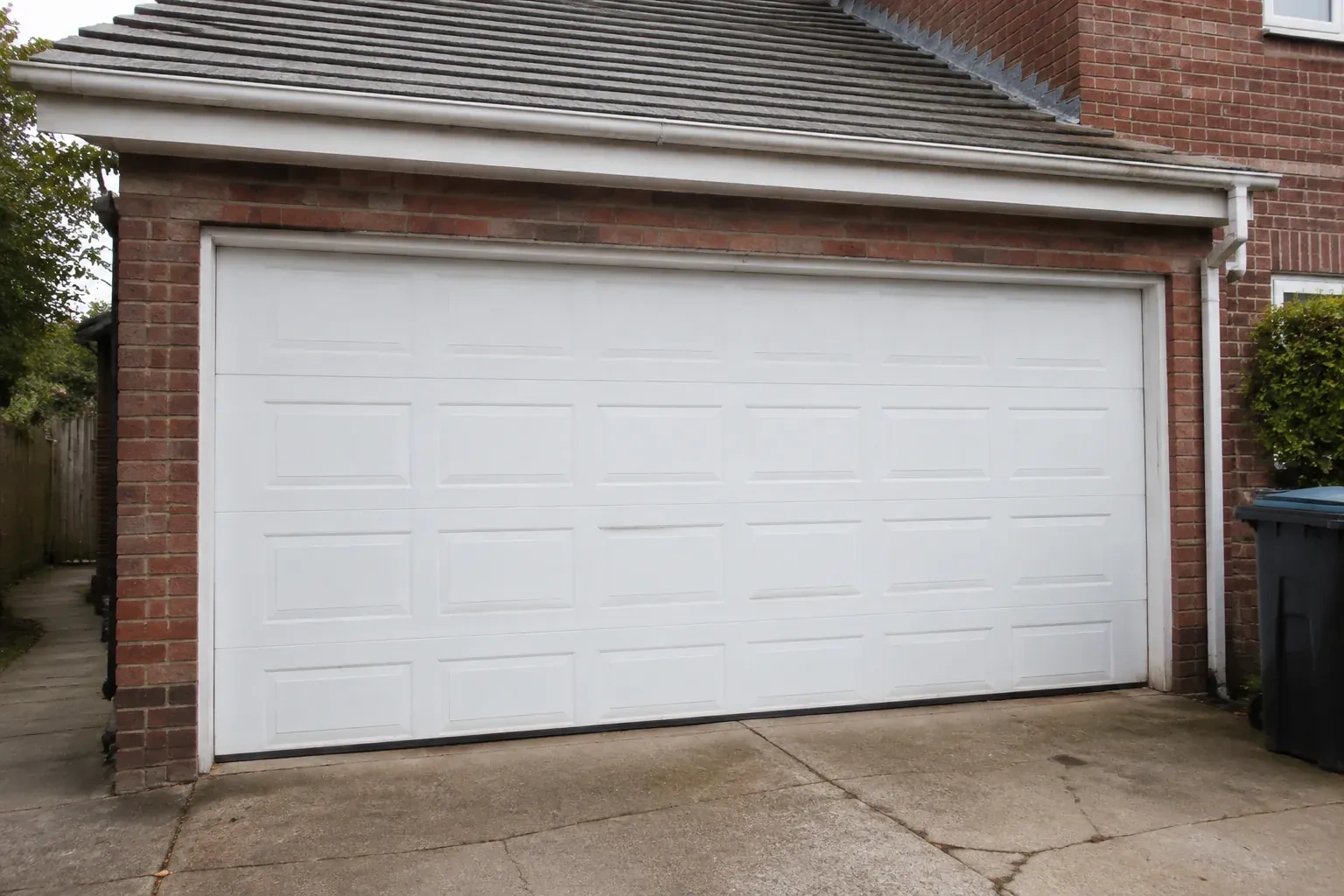
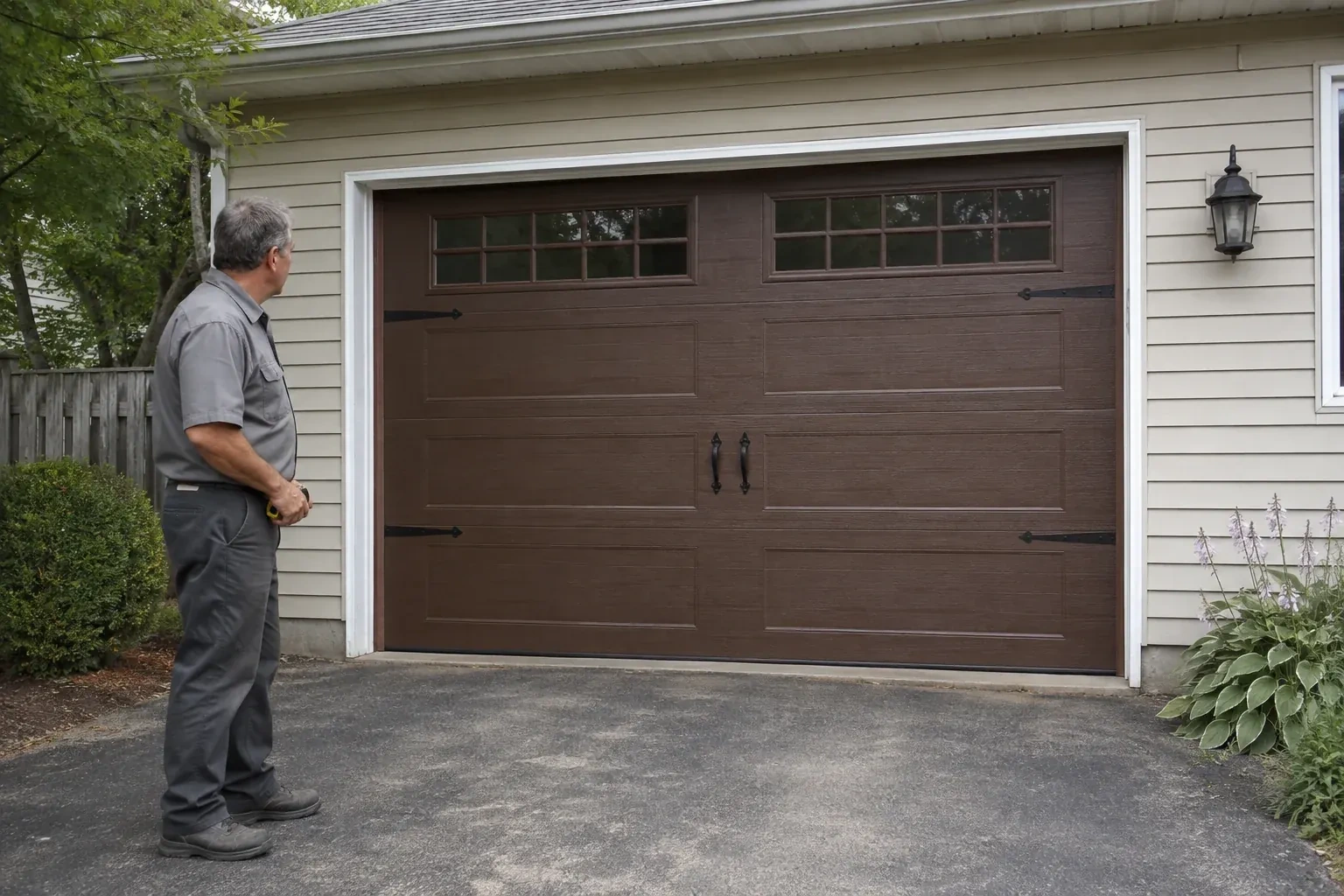
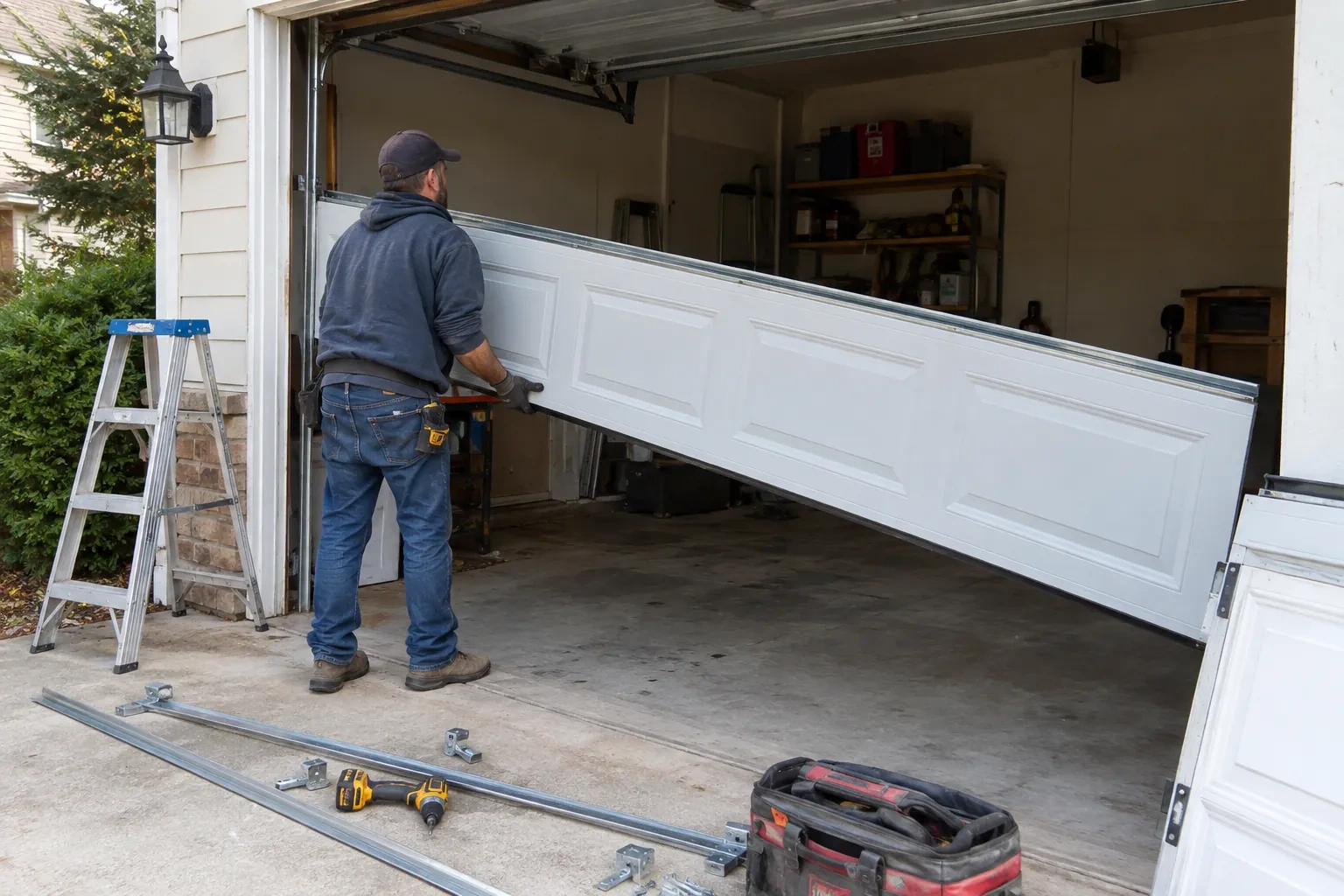
A renovation changes the face of a house, and the old garage door can suddenly look out of place. We help homeowners in Grantham pick panel styles, window inserts, colours and hardware that suit the new exterior, then install the door plumb and level so it looks intended rather than added.
A renovation changes the face of a house, and the old garage door can suddenly look out of place. We help homeowners in Grantham pick panel styles, window inserts, colours and hardware that suit the new exterior, then install the door plumb and level so it looks intended rather than added.
Explained before, tested after.
Landlords and property managers in Grantham get a written summary after every visit: the address, what was found, what was replaced, and what is likely to need attention next. Tenants get a door that works and remotes that behave. Everyone knows where things stand without a second phone call.
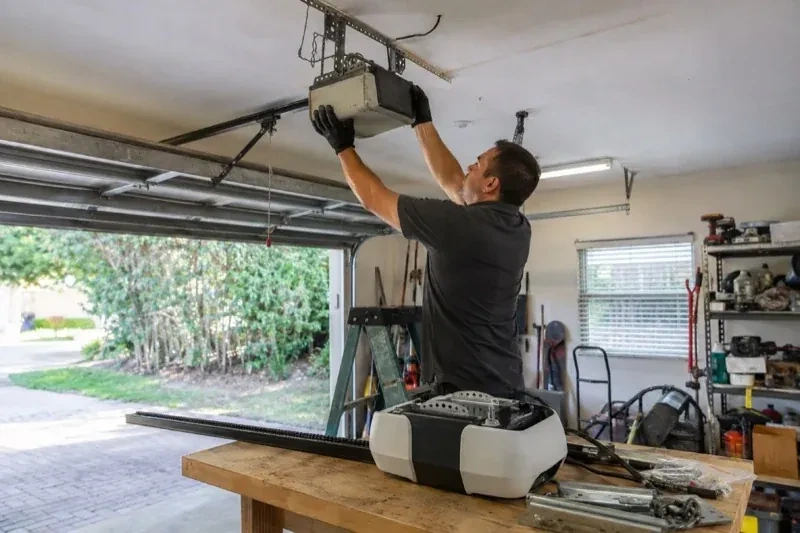
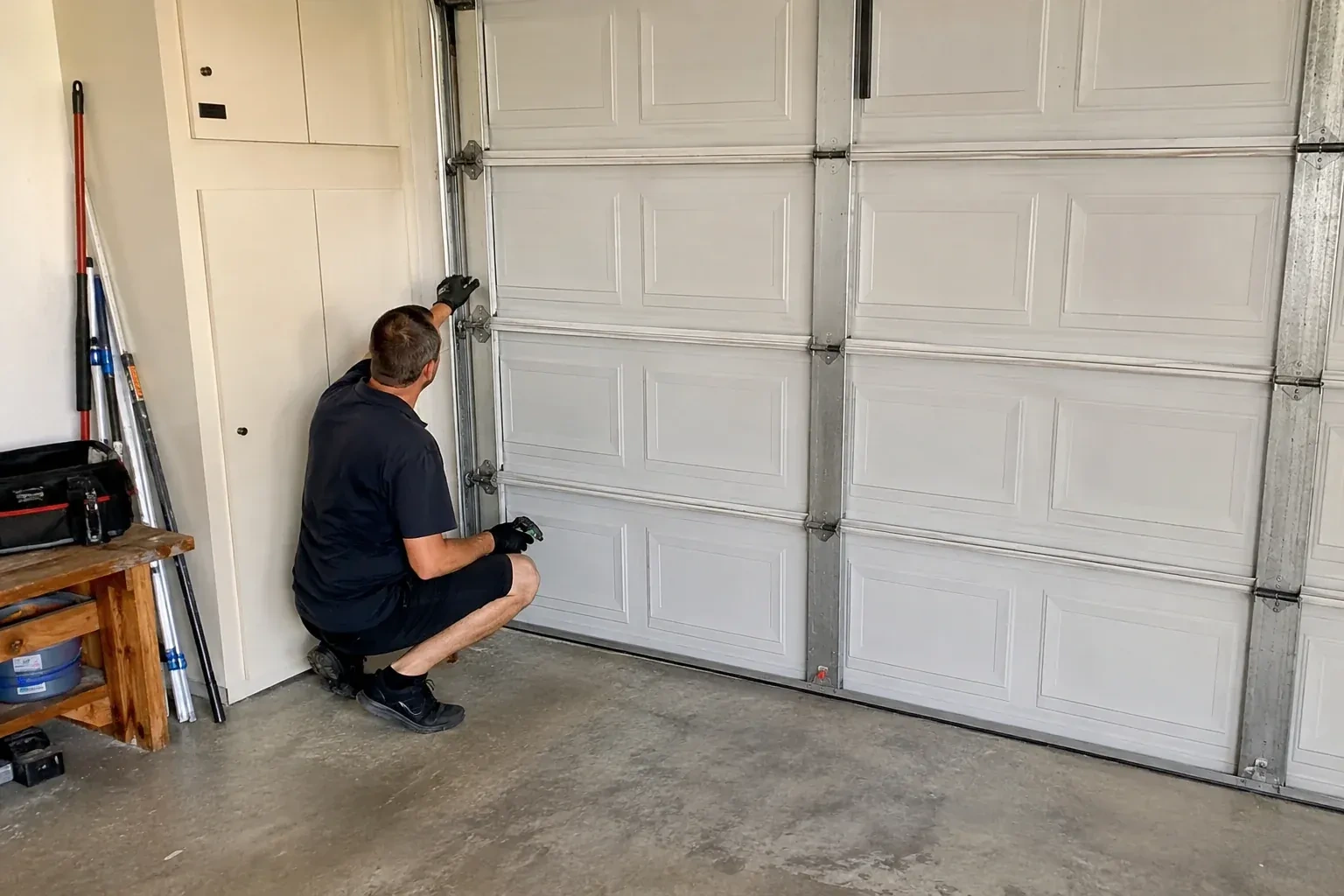
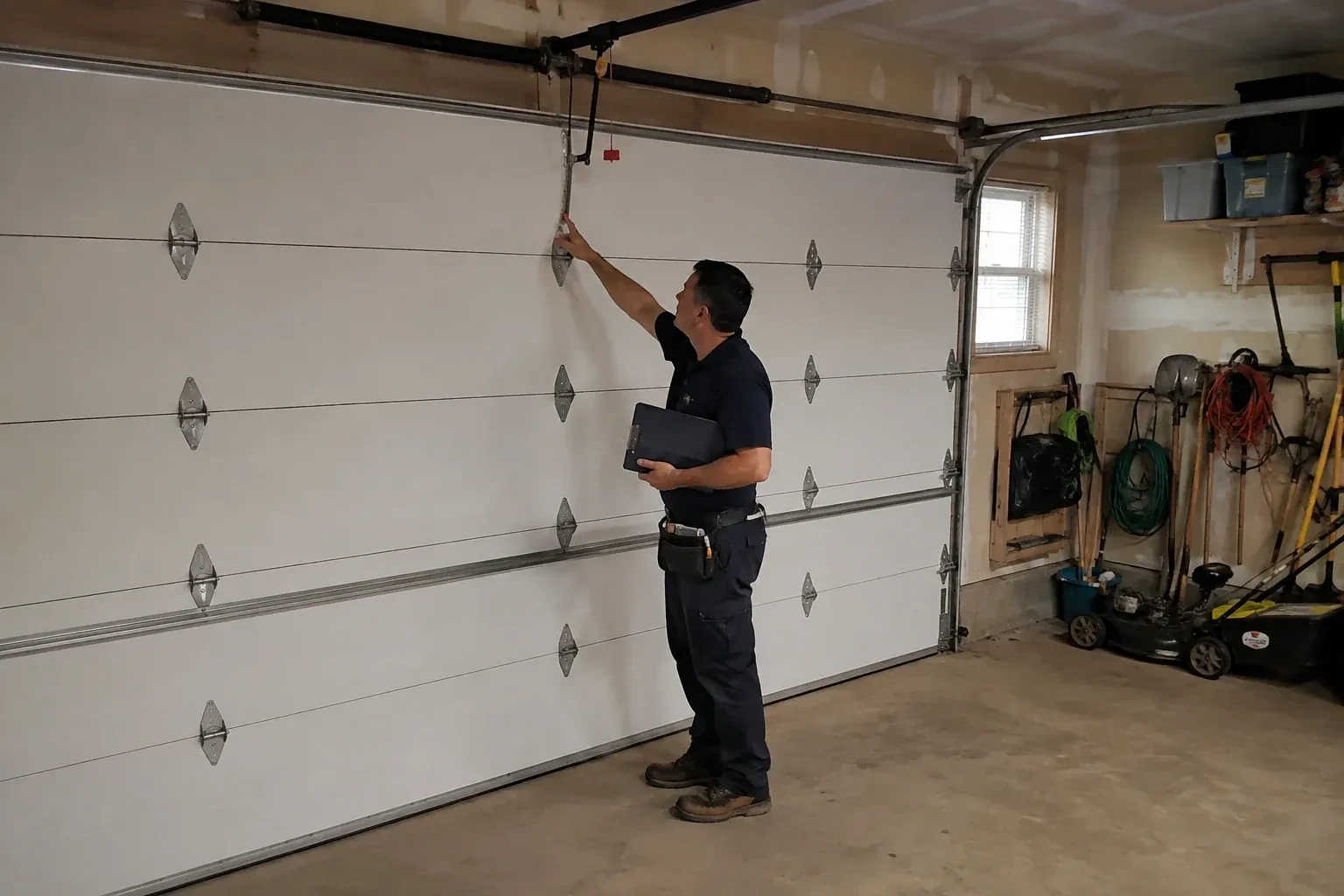
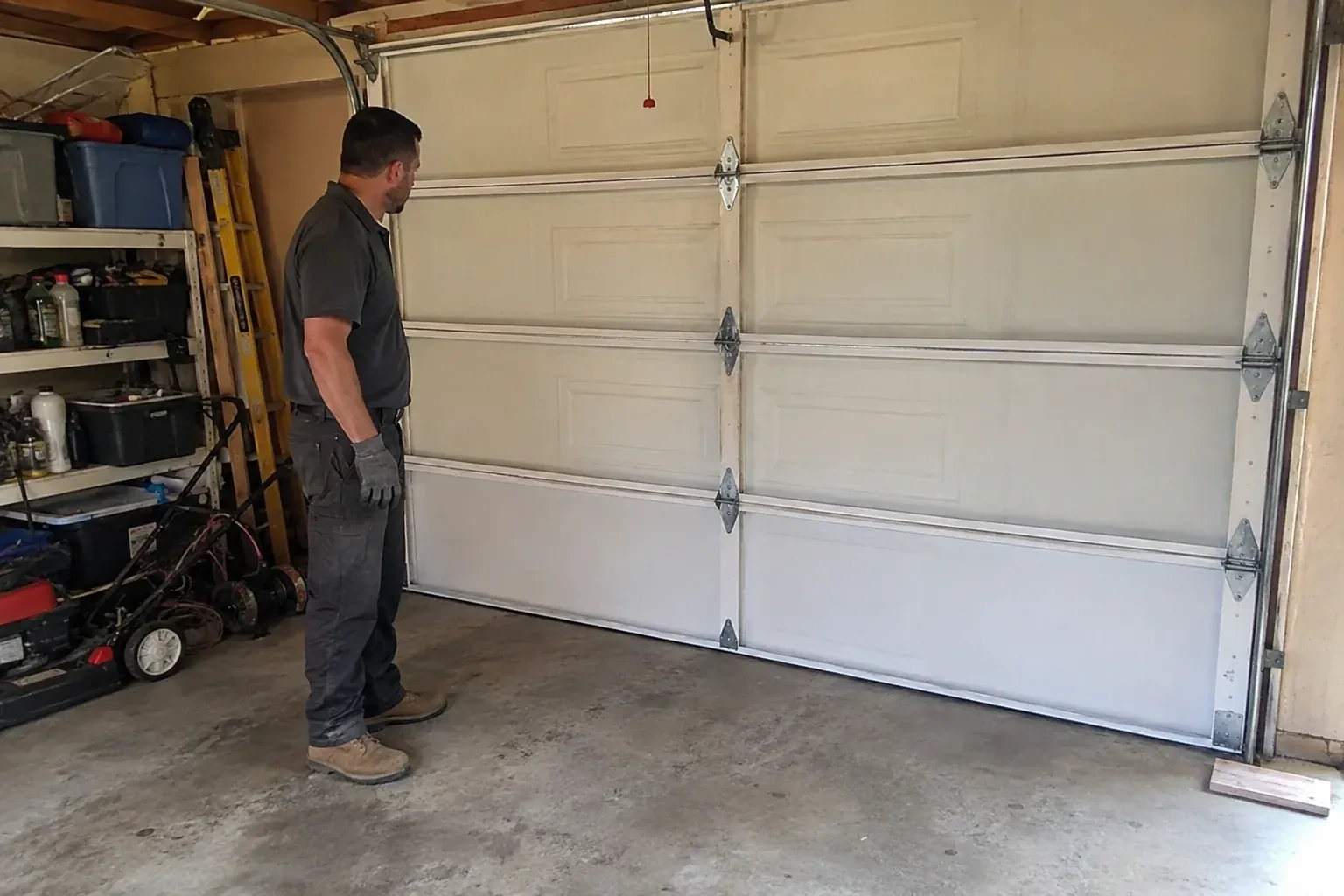
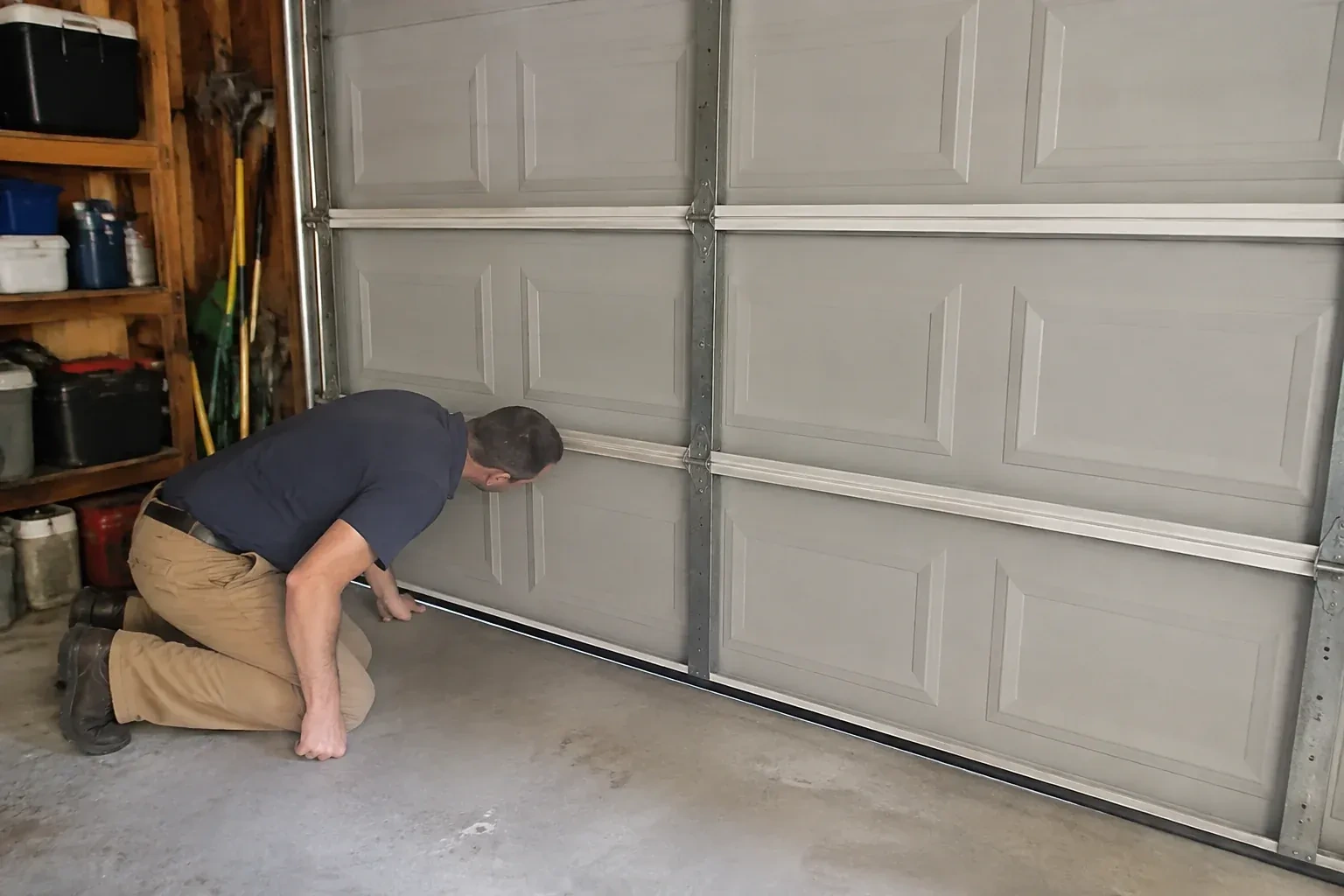
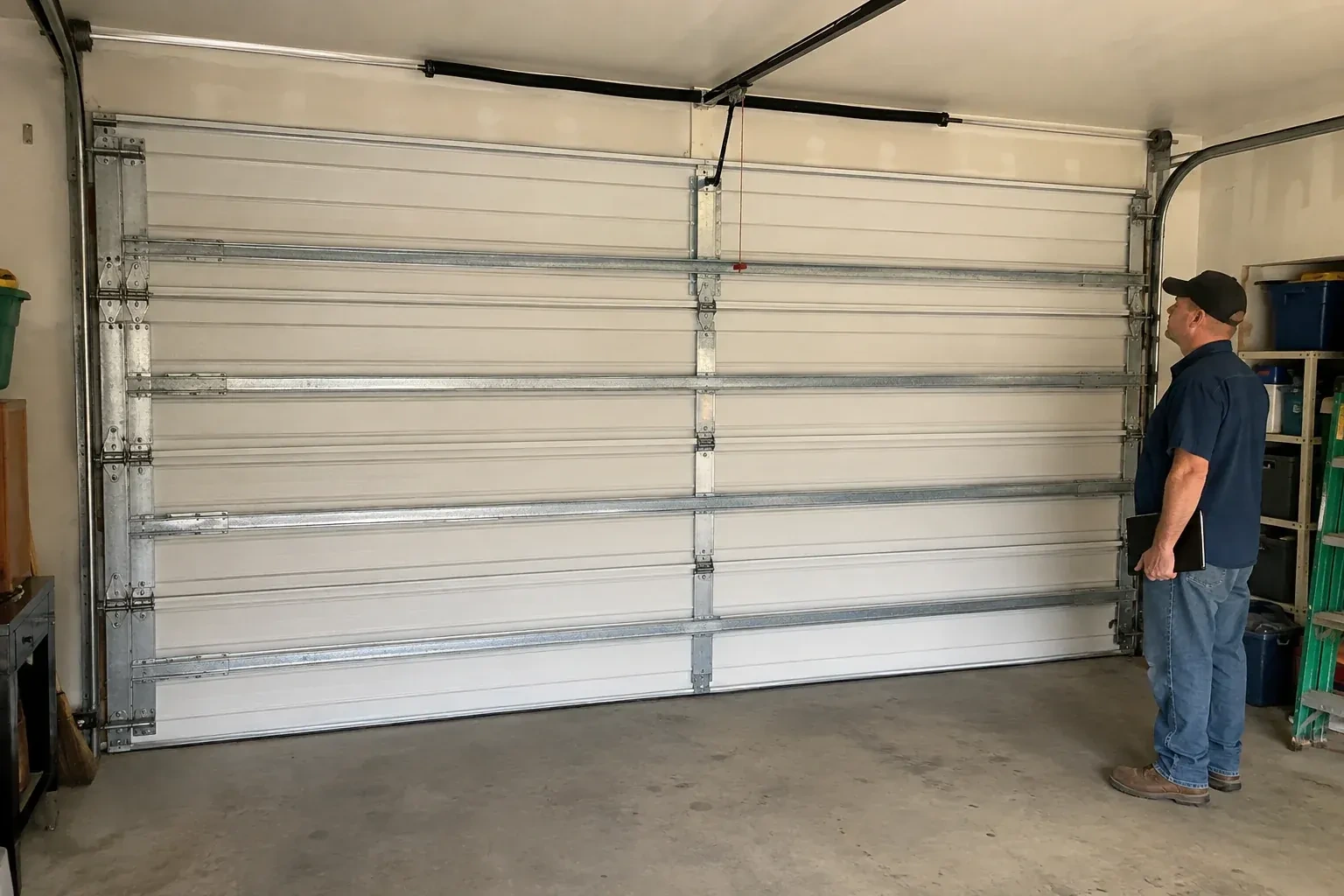
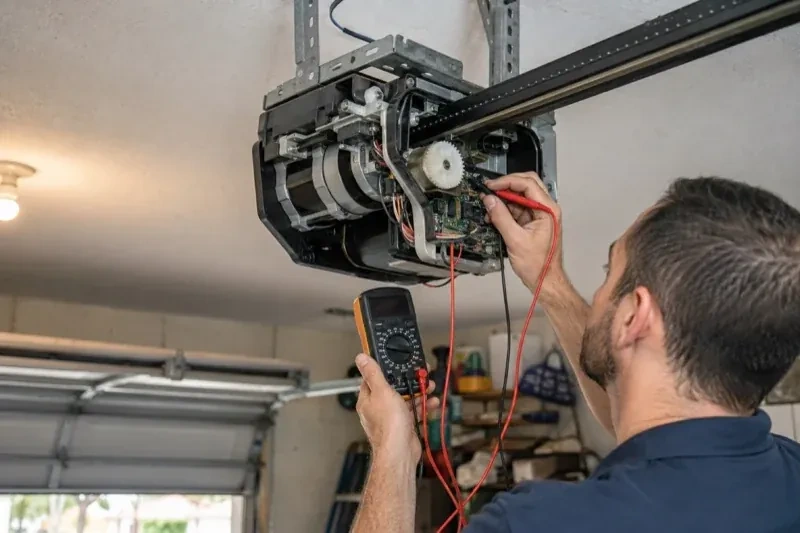
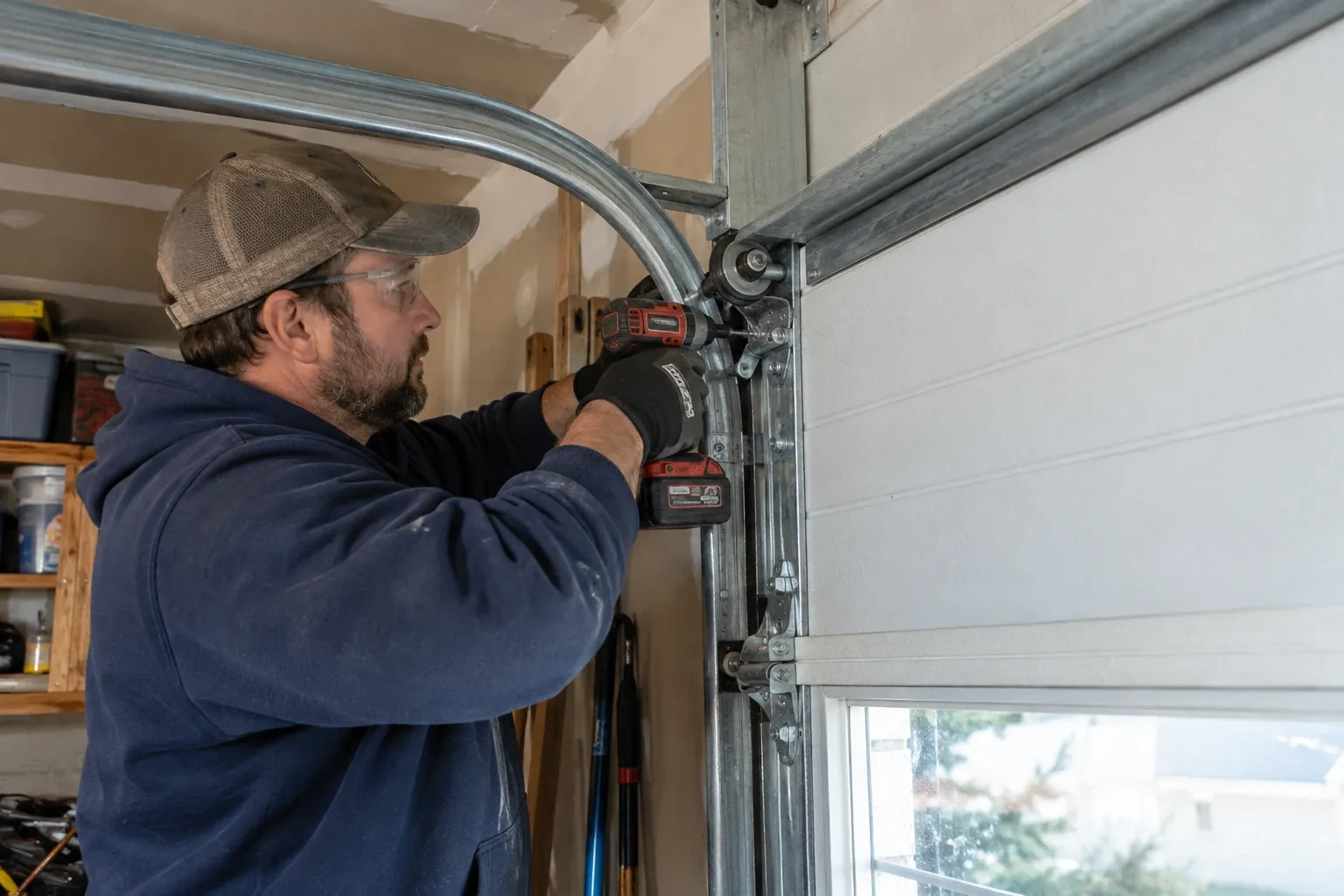
A garage door repair in Grantham begins the way it does everywhere we work: with a full look at the door, top to bottom. Springs, cables, drums, rollers, hinges, track, opener and sensors are all checked, because a fault in one shows up as strain in another. Only then do we talk through the choices, plainly, and get on with the repair you decide on.
30years in business
24/7open every day
Real explanations. Every recommendation comes with the reason behind it, in words that make sense to someone who has never opened an opener.
Care in your space. We work around bikes, tools and vehicles carefully, protect what needs protecting, and leave the garage clean.
No pushing. You hear the choices once, clearly. Whether to go ahead, wait or take a different route is yours to decide.
Set up a visit to your home or business in Grantham.
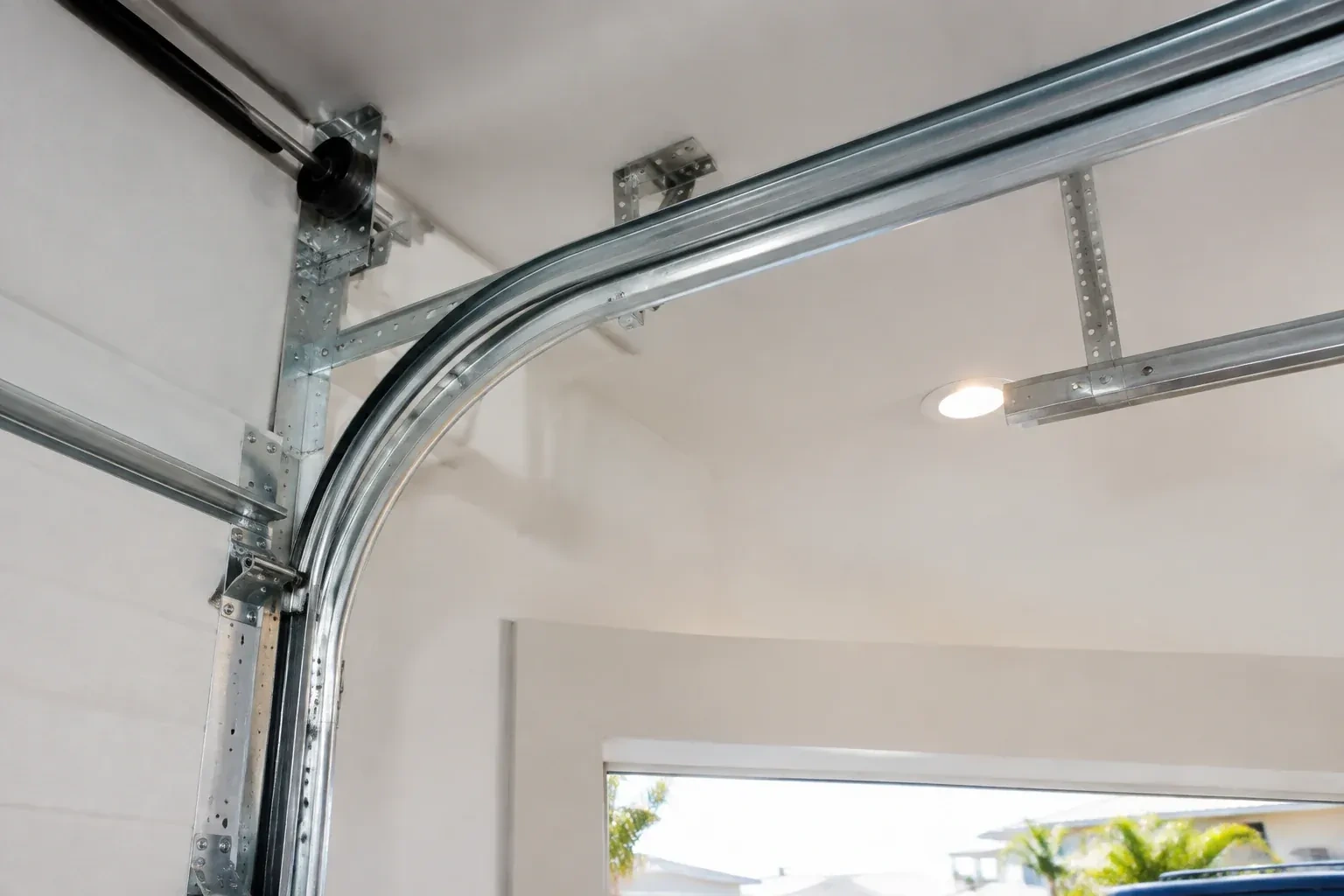
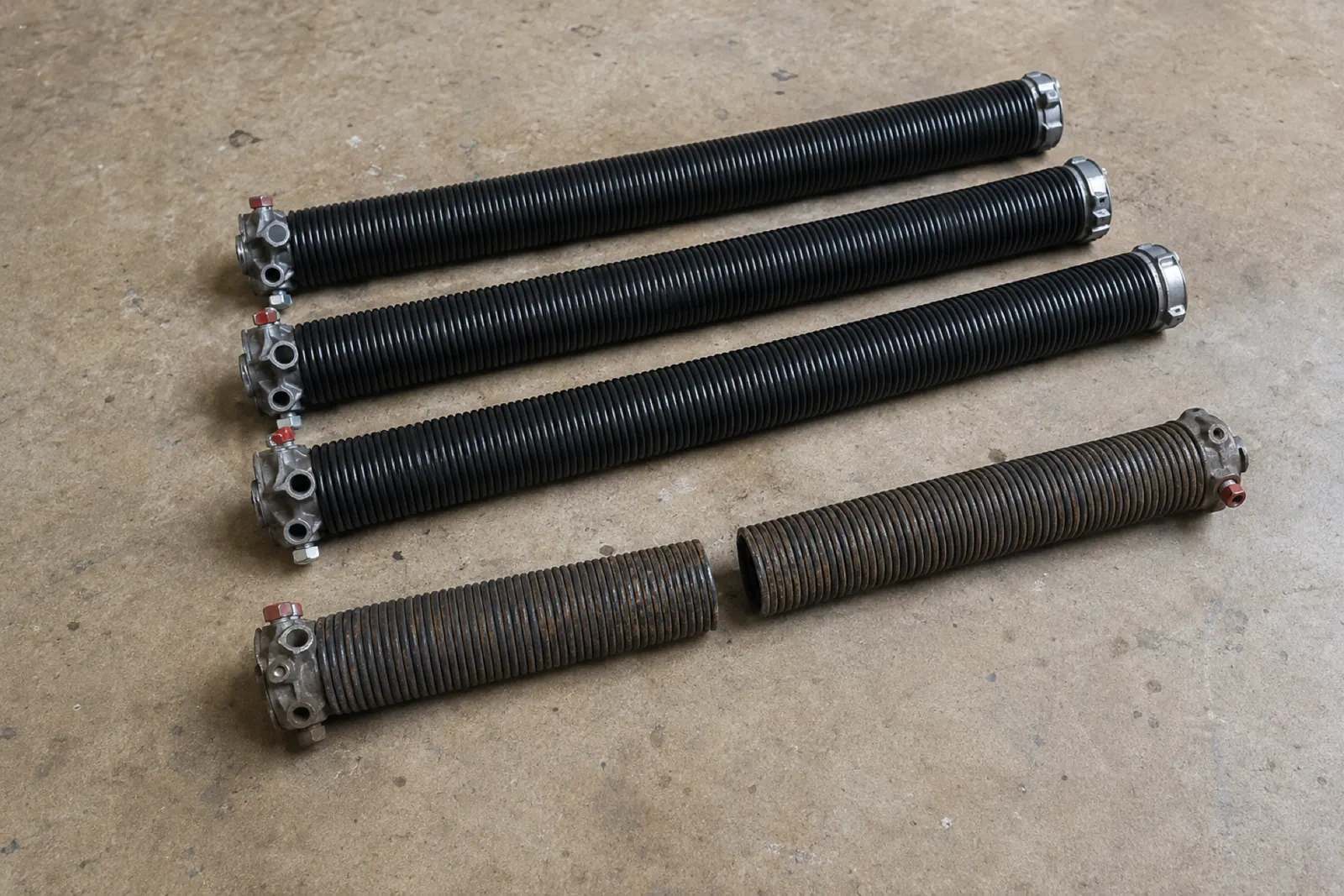
A door in Grantham that is lifting unevenly, dropping too far, screeching on the rails or refusing the remote is telling you which part is tired. Our services are grouped around those parts, springs and cables, tracks and rollers, openers and controls, so the fix is easy to identify.
About 71% of homes in St. Catharines were built in 1980 or earlier, according to the 2021 Census.
Older homes
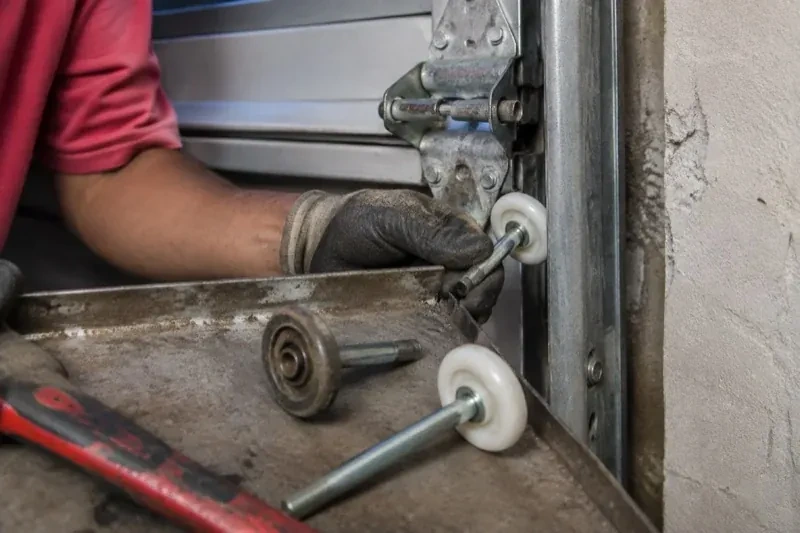
Hardware on an older door has often been through many winters: hinges with worn pins, rollers with tired bearings, bottom brackets rusted at the floor line. Replacing these in sets restores a smooth lift and takes a surprising amount of noise out of the garage.
Single-detached houses make up about 56% of homes in St. Catharines (2021 Census).
Mixed housing often means mixed access too: individual remotes and keypads on the houses, building fobs and shared gates on the condos. We program, clear and replace all of these, and keep property managers in the loop where a door serves more than one household.
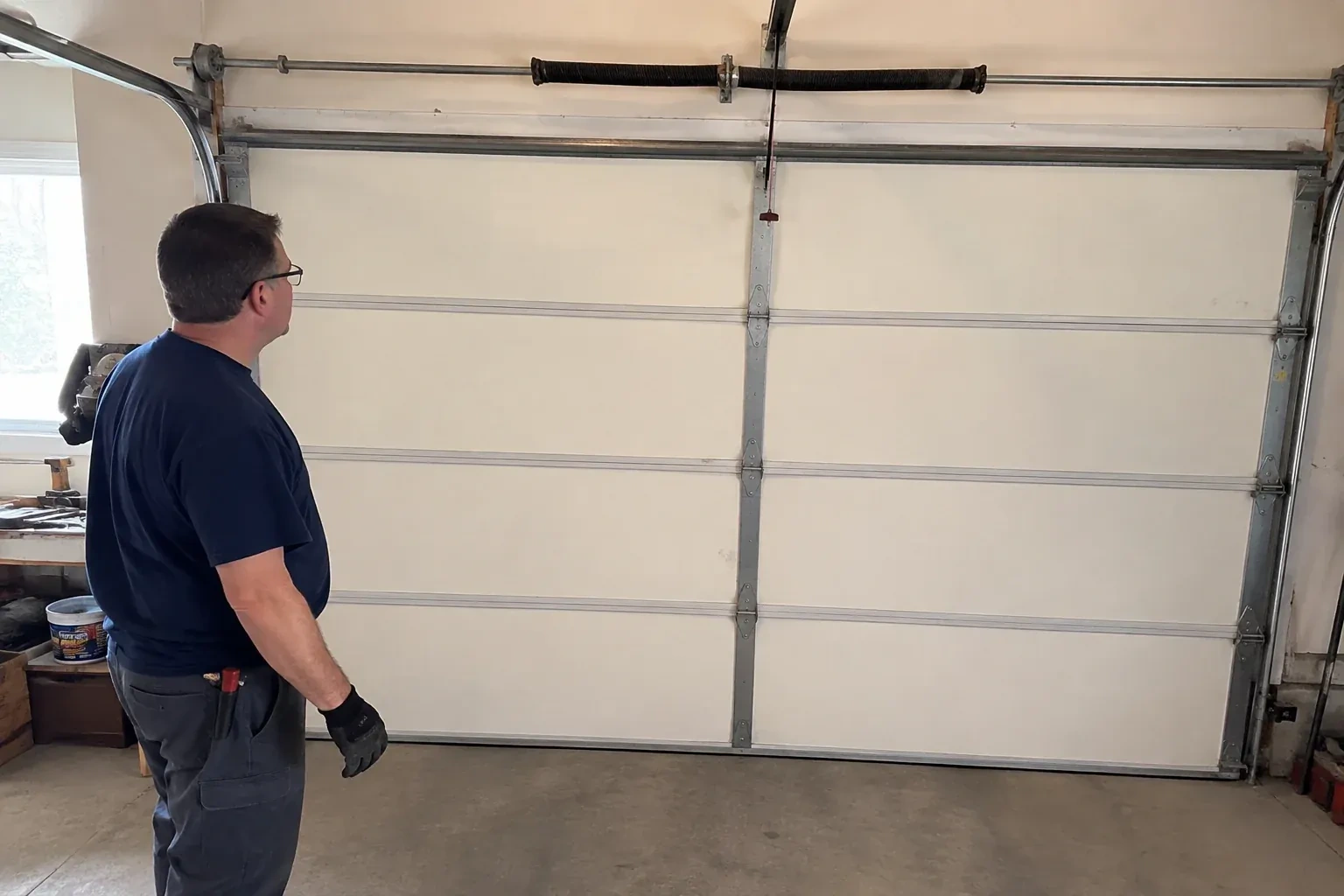
Adjusting spring tension is fine work. A quarter turn changes how the door rests at halfway, and the aim is a door that stays where it is left. We adjust, test by hand, and adjust again until it does.
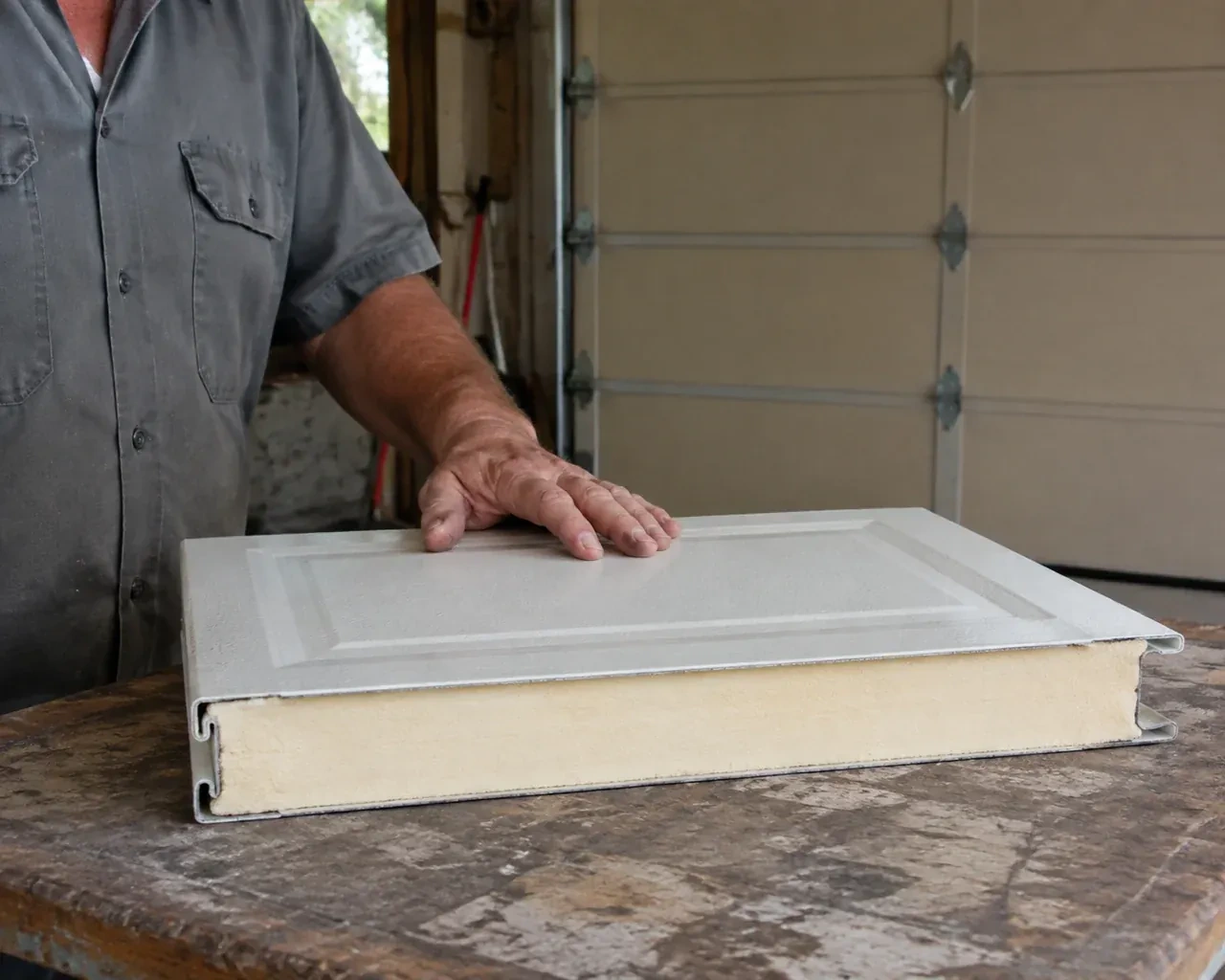
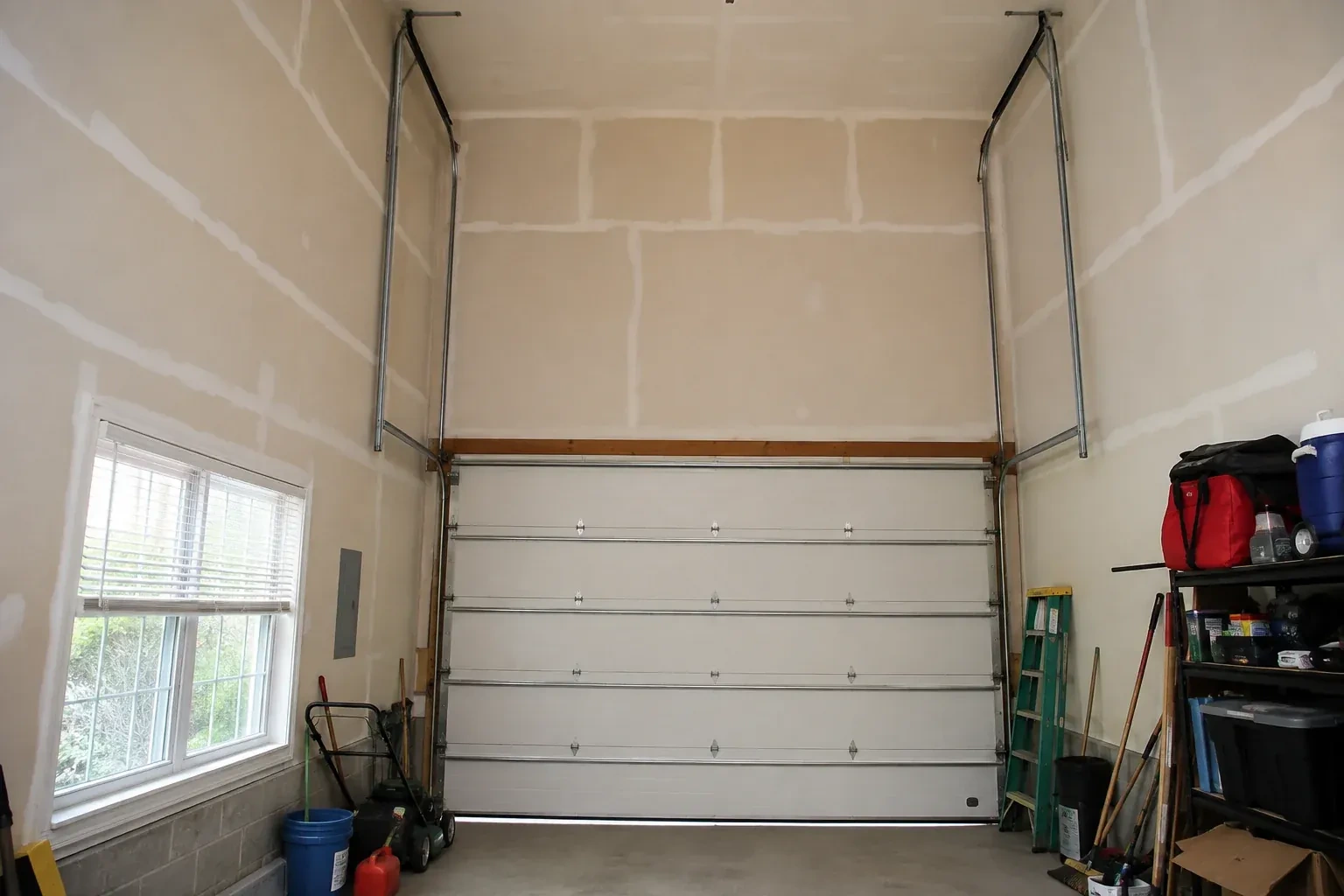
Upgrades that make a garage more useful: insulatedpanels that keep the space warmer, high-lift tracks for a car lift or tall truck, and glass doors that turn the garage into a room.
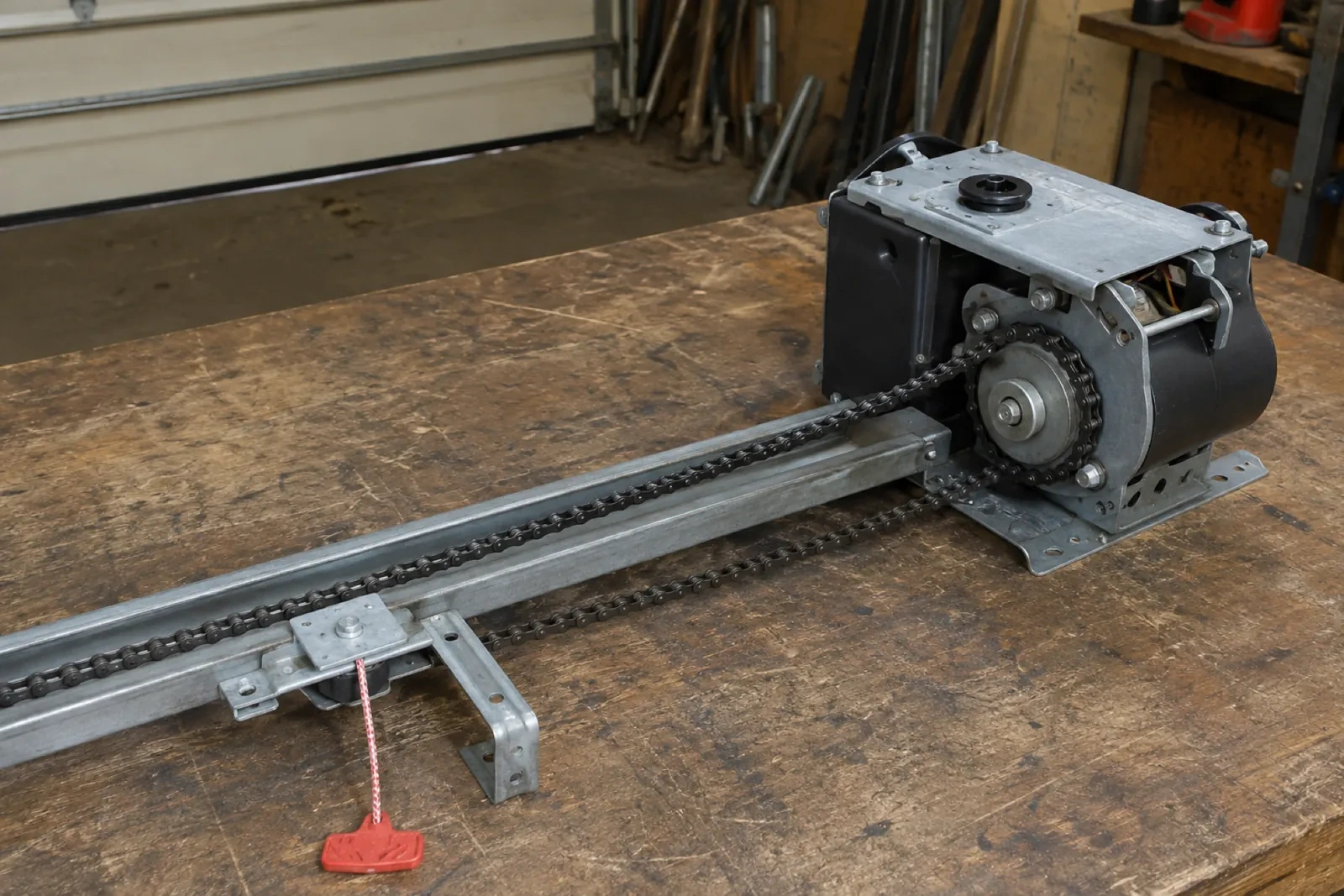
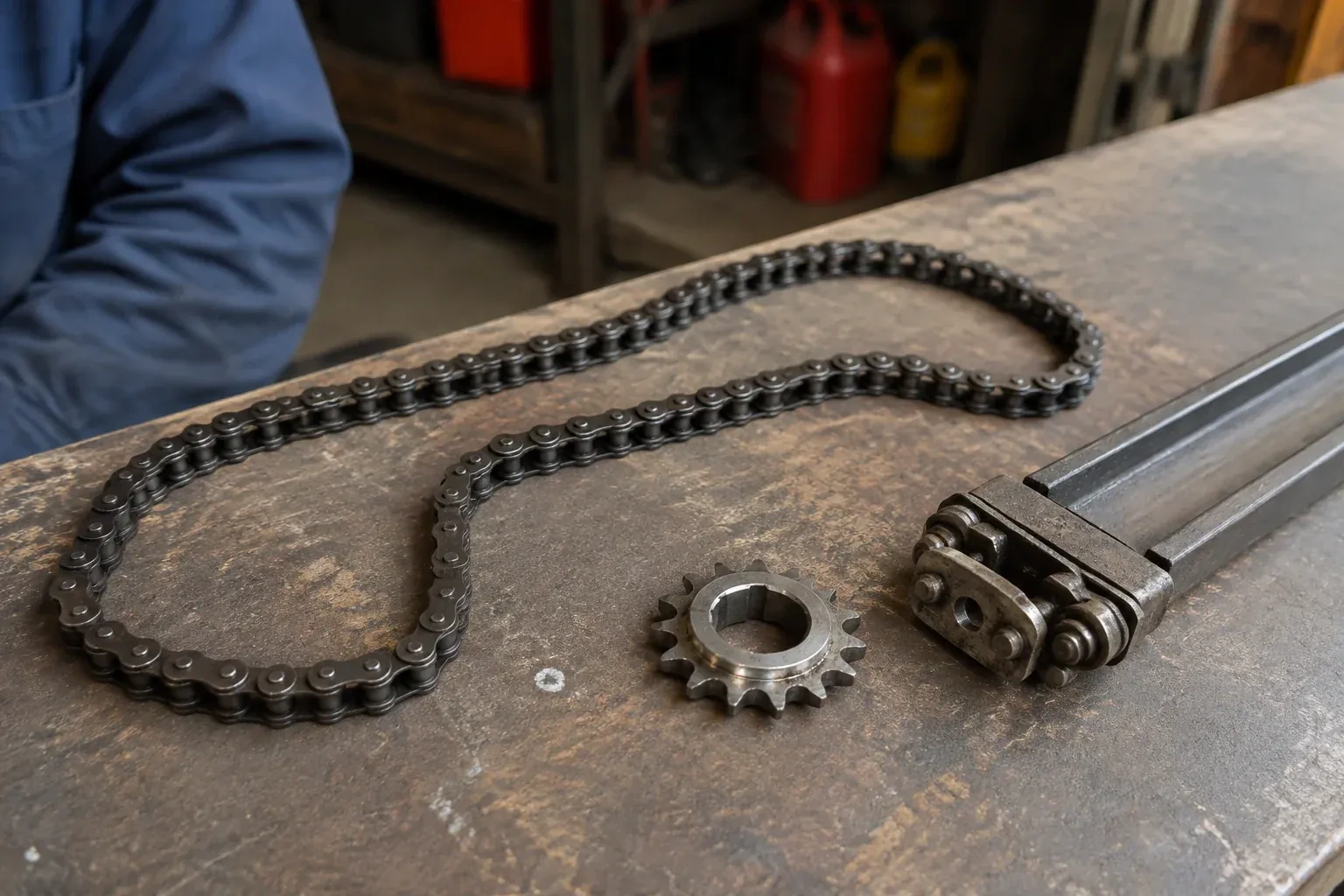
The motor runs, you can hear it working, but the door never moves. When you look up, the sprocket on top of the head is barely turning, and there is a little drift of pale plastic dust on the cover.
There is a new squeal from the front of the rail, up near the header, on every cycle. The belt has started tracking to one side and its edge is fuzzy where it has been rubbing.
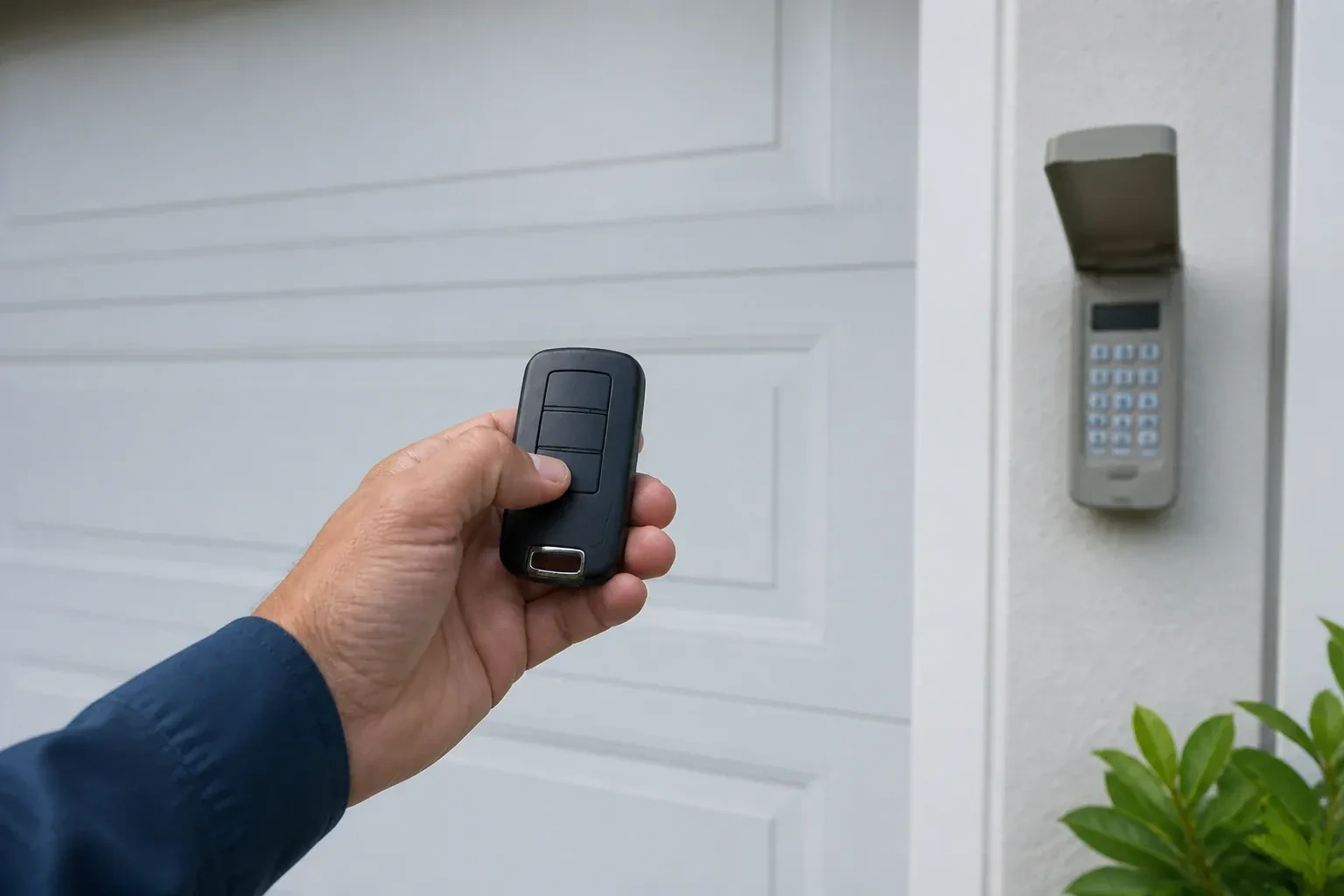
The remotes only work from the end of the driveway now, and one of them disappeared with a set of keys last month. Inside the remote are tiny switches instead of a learn button, so excluding the missing one means resetting the switch pattern on every remote and the receiver.
A contractor is coming to work in the garage on Thursday while you are away. Handing over a remote means chasing it back afterwards, and the keypad code is the one your whole family uses.
After a week of lifting the door by hand you pressed the button, hoping it would catch. Instead the motor grinds, the trolley thumps against the end of the rail, and the little lever that should snap back stays stubbornly upright.
Which fix fits?
It is a February morning and the key goes only halfway into the garage handle.
WhyThe most common chain-drive failure happens out of sight.
Since the storm the door behaves oddly: it reverses halfway down for no reason, the light flickers, and the travel limits drift so it either slams or stops short.
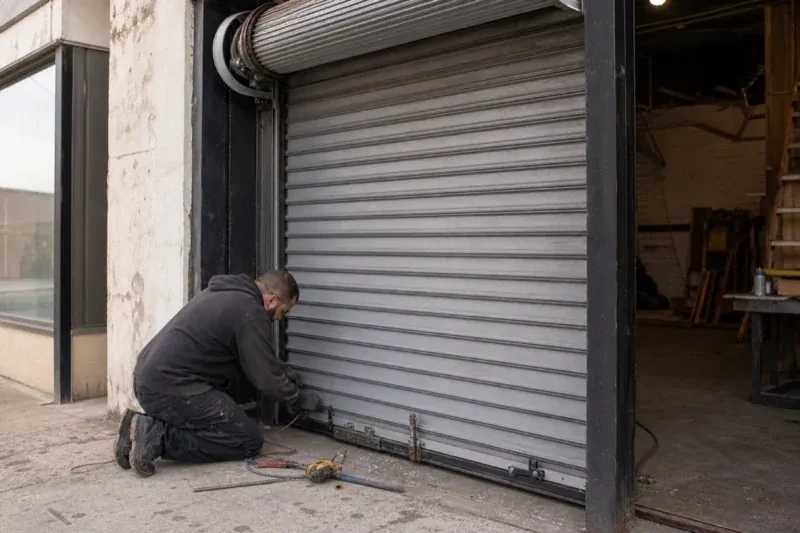
WhyA rolling door that has become unusually heavy or starts to drift is asking for a counterbalance assessment.
An entrance. Not an afterthought.
1/10Garage Door Manual Lock Repair
It is a February morning and the key goes only halfway into the garage handle. Yesterday's melt ran down the door face and into the keyway, and overnight it set like glass. The key flexes; the cylinder stays put.
Backing out this morning, the mirror caught the track beside the door. Now there is a crease in the steel at about knee height, and the door stops with a bang every time a roller reaches it.
The door closes, touches the floor, then climbs straight back up as if it hit something. Nothing is in the way, the sensor lights are steady, and it has been doing this since the weather turned.
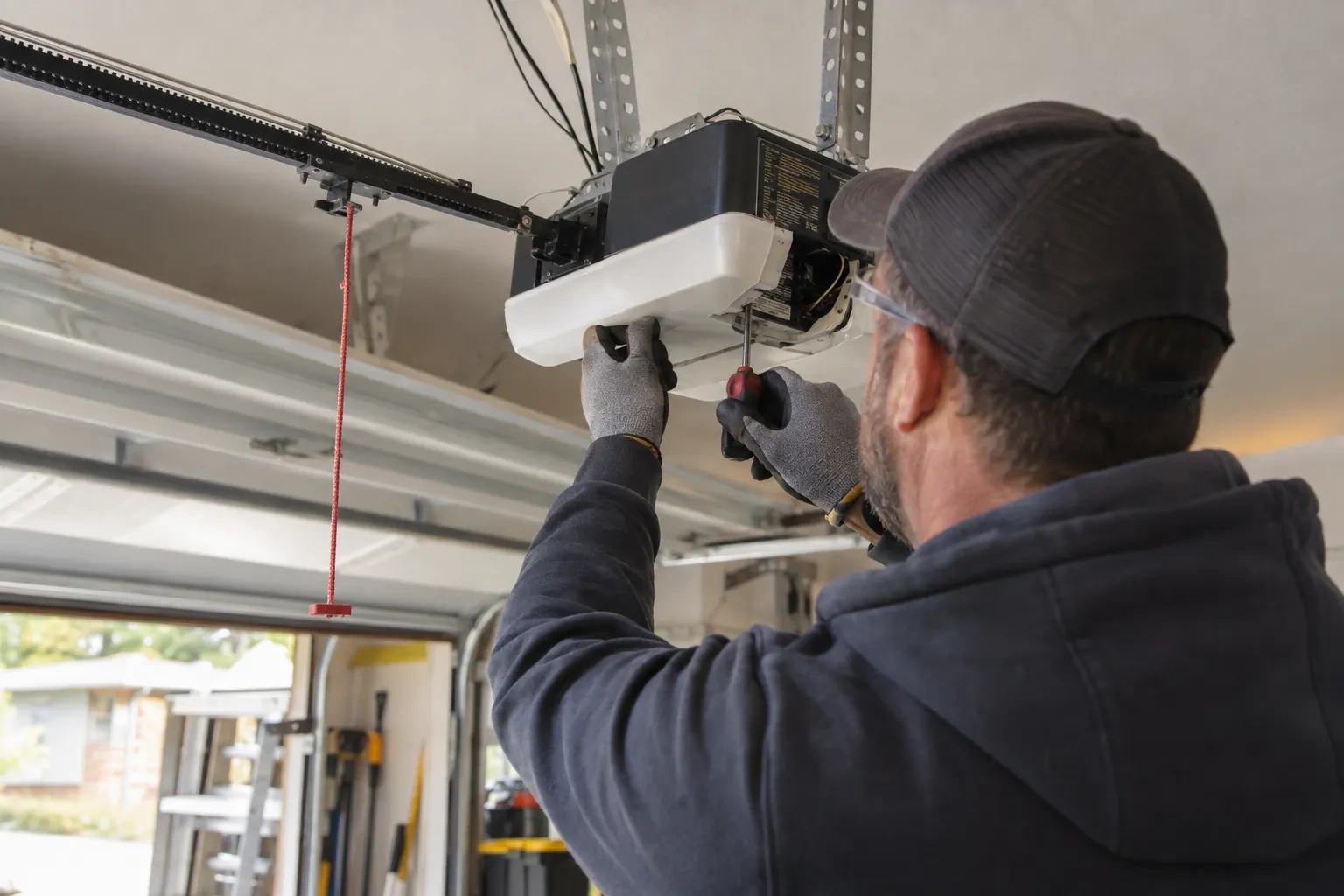
Since the storm the door behaves oddly: it reverses halfway down for no reason, the light flickers, and the travel limits drift so it either slams or stops short. The board inside is discontinued and the last repair only bought a few months.
You press the remote, the door drops a few centimetres, then climbs straight back to the top while the opener light blinks. Nothing is under the door. It has done this every evening this week.
The remote opens the door only when you are almost underneath it. From the end of the driveway you press five or six times and nothing happens. It started around the time the bulbs in the opener were changed to LEDs.
The bottom section has absorbed years of moisture and road-salt residue. Its edge is swollen, the seal retainer is failing, and the door leaves an irregular gap across the floor whenever it closes.
Several sections are dented and the bottom edge has begun to rust. Instead of matching another isolated panel, you are ready to choose a complete insulated steel door with new coordinated hardware.
You appreciate the grain and depth of traditional wood doors, though regular refinishing is not part of your plan. A durable carriage-house surface can create a similar visual effect with simpler upkeep.
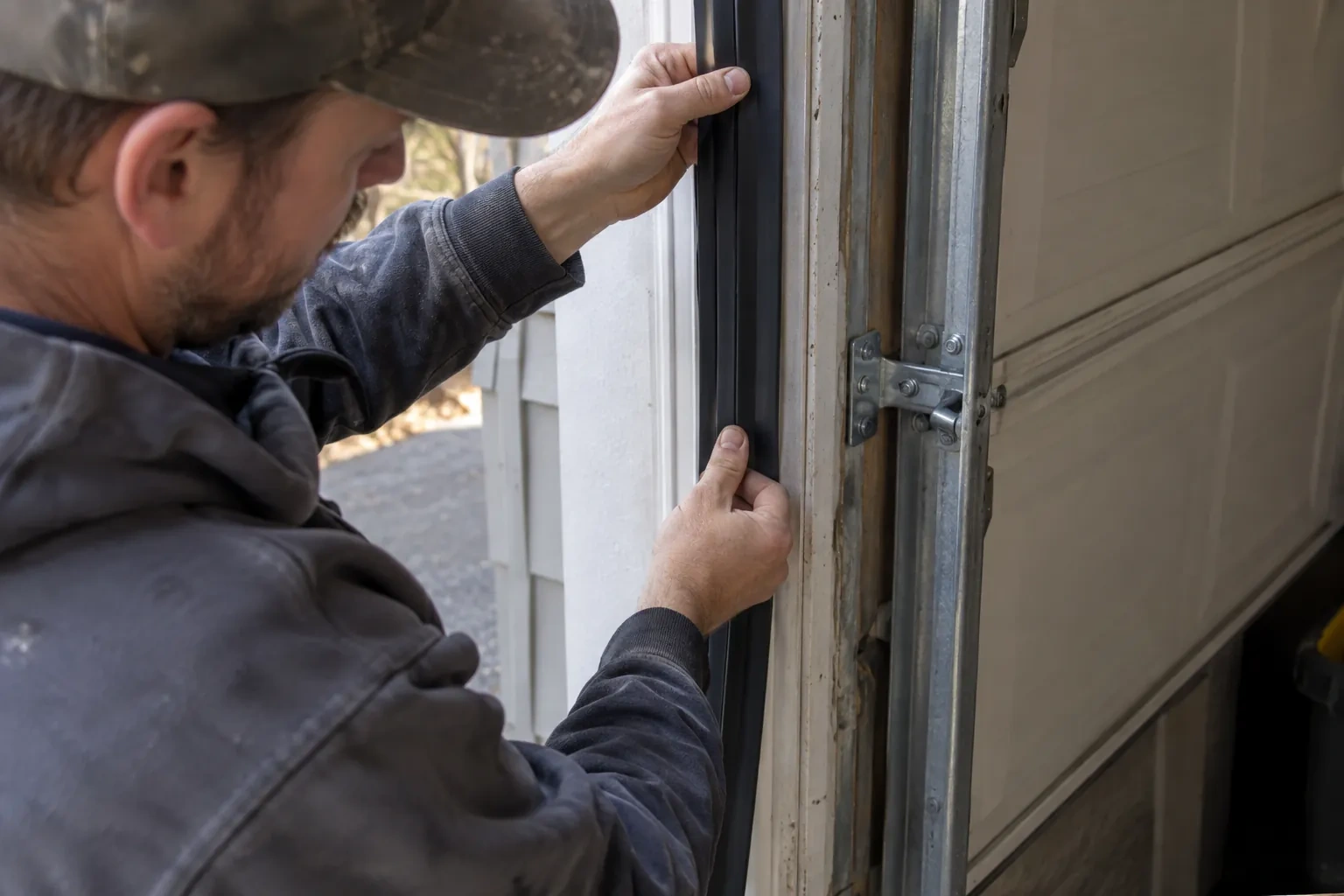
Cold-weather moisture has frozen the bottom seal to the sill, and salty grit has collected along the guide entrances. The door chatters during its first cycle and leaves a visible gap after it reaches the closed limit.
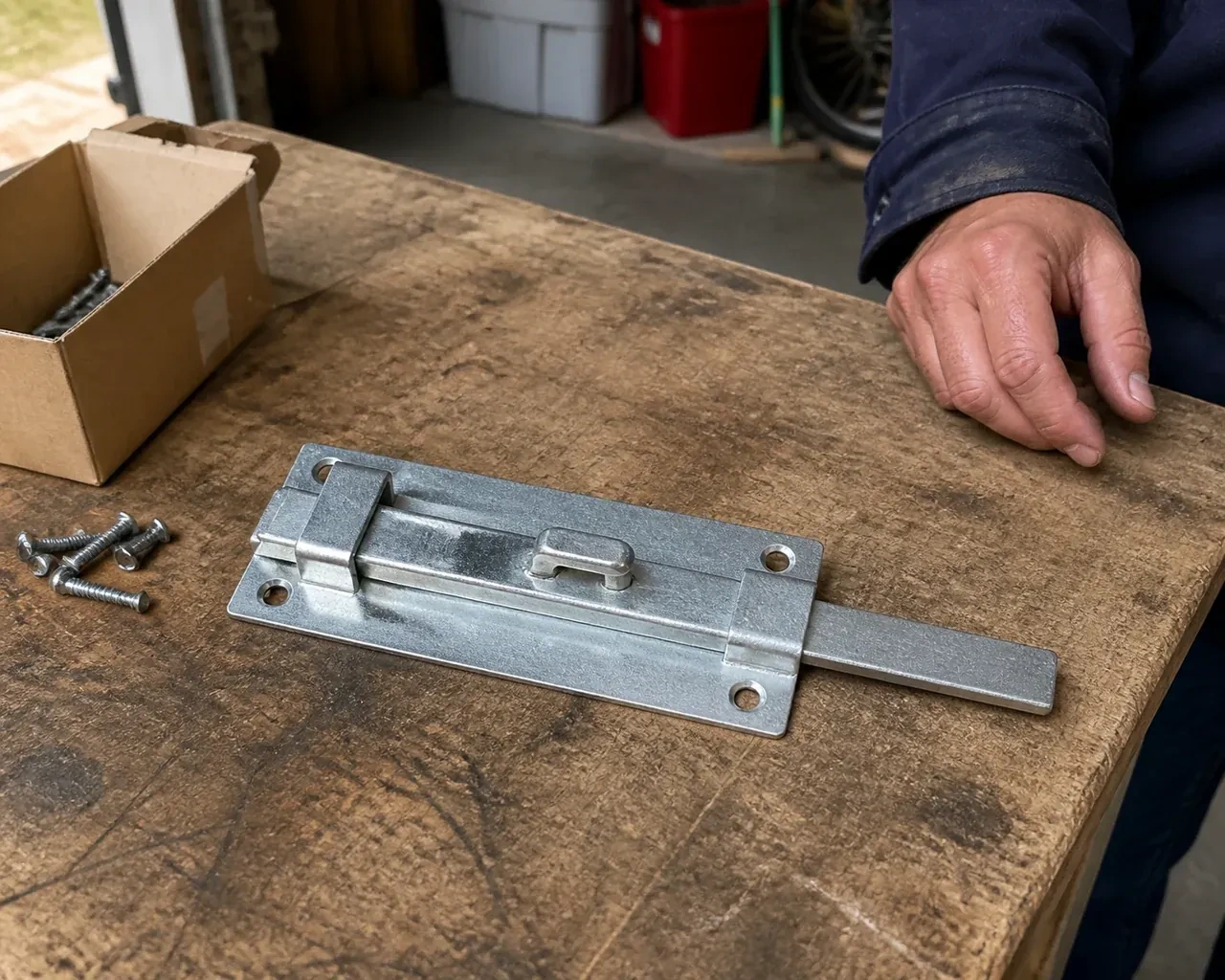
It is better replaced. Lock bars are spring steel, and once one has been bent by an opener pulling against it, it takes a set and tends to bind in its guide or kink again under load. New bar stock is cut to the door's width so the bar reaches through the track with a margin and pulls fully back when released. Both bars are set to the same throw.
Should the track be lubricated?
It depends on the door, and manufacturers disagree, which surprises many people. Some want the track kept clean and dry, since lubricant there can collect grit and let the wheels skid instead of roll, wearing the roller and the track edge; others specify lubricant at the track bend. The moving parts, roller bearings, hinge pins and springs, get their own lubricant either way, in the type the manual specifies, with a few cycles of the door to spread it.
Should I use the slide lock on the door with a chain drive?
No. The manual slide lock on the door is disabled or removed once an operator is connected, and the technician checks that during the repair. A motor pulling against a locked door strains the chain, strips the drive gear and can bend the top section of the door. If you want the door secured against remotes, the lock button on the wall control switches them off, and a track lock designed to work with an operator does the rest.
My old photo eyes still work. Can they stay?
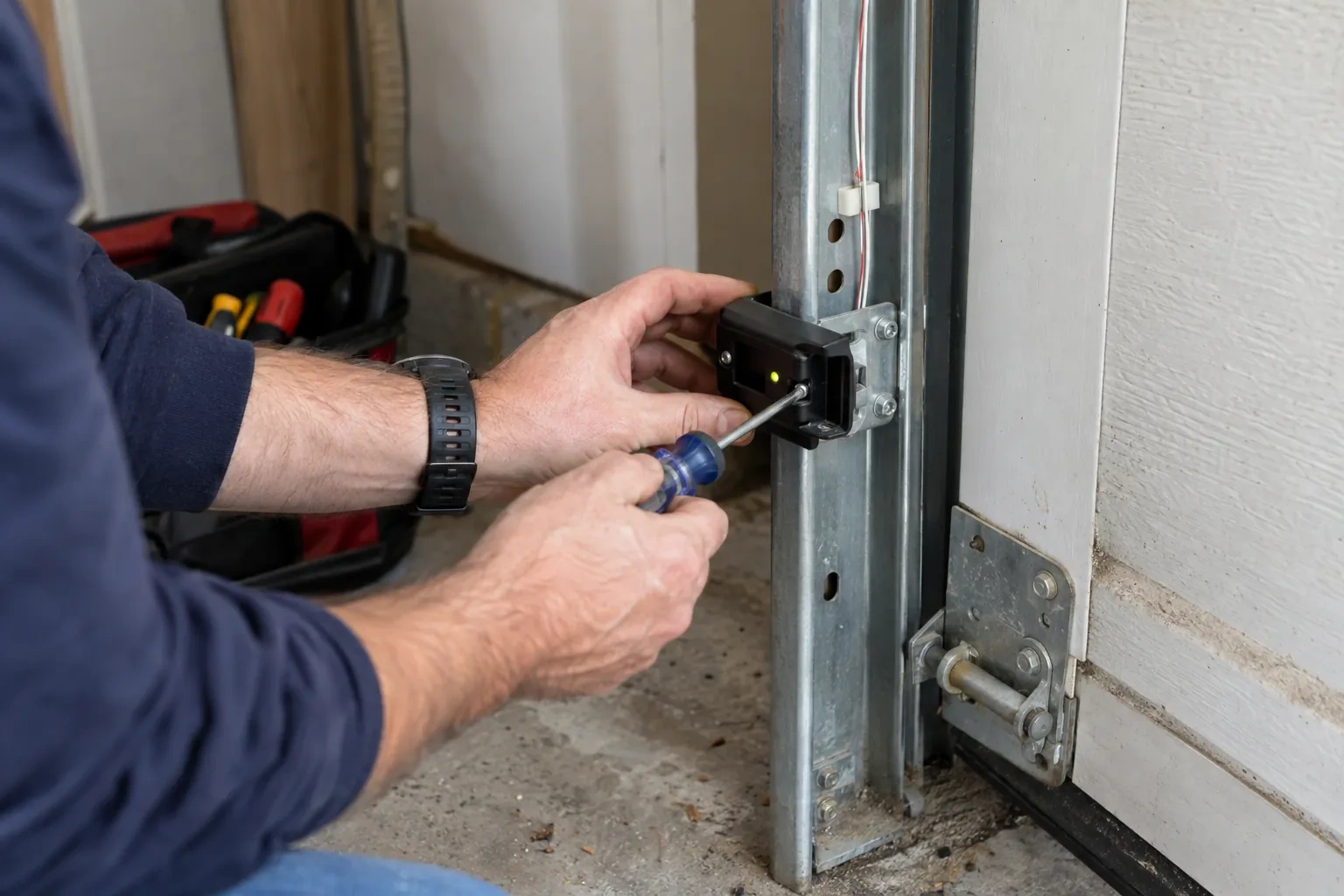
Sensors and head unit are made for each other; a board reads its own maker's sensors, often a particular generation of them, so the pair in the box is what goes on the wall and the old ones come down with the old opener. The new pair sits low at each side of the doorway, roughly a hand's width above the concrete, and the technician confirms their indicator lights are steady before the door is tested against the beam.
How long does a sensor visit take?
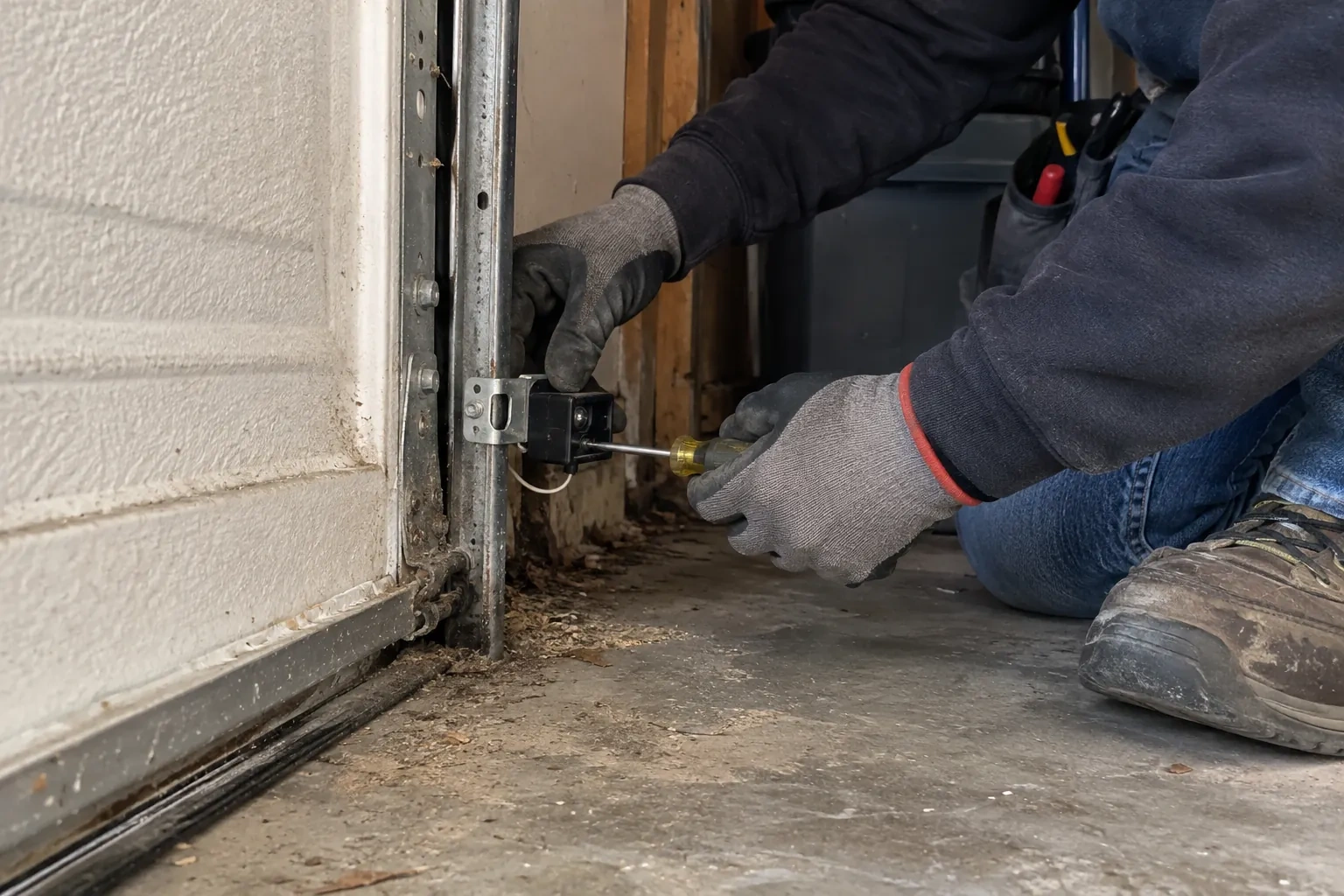
Alignment, cleaning and a bracket adjustment are done inside an hour on most doors, including the two tests at the end. Replacing the pair adds a little for wiring and setup. Re-running the wire all the way from the motor to both sensors is the part that stretches a visit, especially where the wire is behind a finished ceiling or the garage is full. Having the floor by the door clear before arrival helps.
Can one remote open two garage doors?
Yes, if the remote has more than one button and both openers accept it. Each button is programmed to one opener, so a two-button remote can run a double garage's two doors, or a door and a gate. Multi-door keypads also exist, running up to three openers from one pad by selecting the door before entering the code. The technician labels which button drives which door.
What panel materials are commonly available?
Sectional doors are commonly made with steel, aluminum, wood or composite construction, with model-specific finishes and insulation options. Each differs in weight, maintenance needs and appearance. The useful comparison considers exposure, desired style, garage use and available product data, then carries the chosen weight into the spring and hardware selection.
How is the opening measured before ordering?
The installer records finished width and height at multiple points, then checks the floor, jambs and header for level, plumb and useful attachment surfaces. Sideroom, headroom and backroom are measured to nearby obstructions. Beams, pipes, lights, storage racks and opener equipment are included because the door sections and tracks need a clear path from closed to fully open.
What happens if the garage floor is not level?
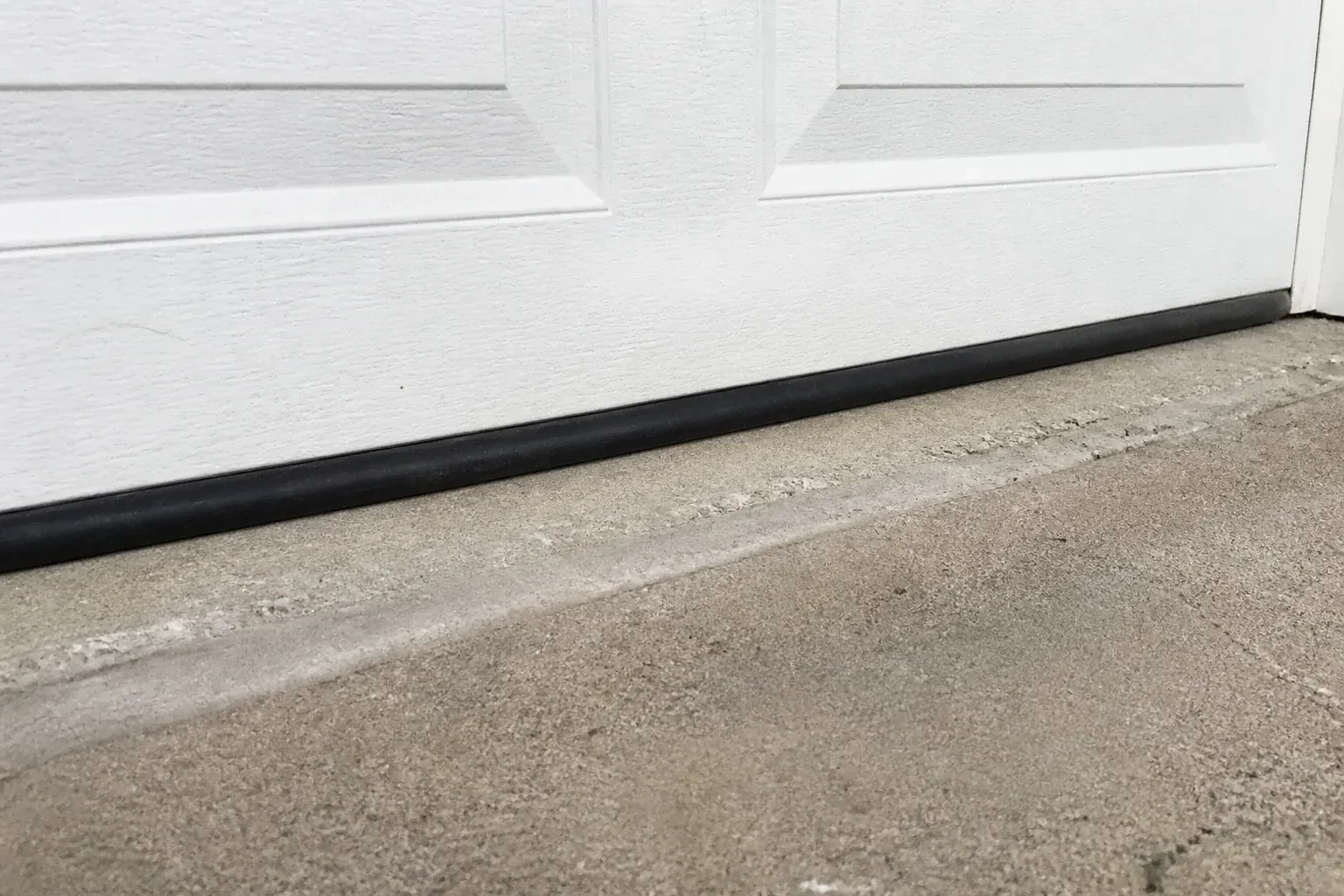
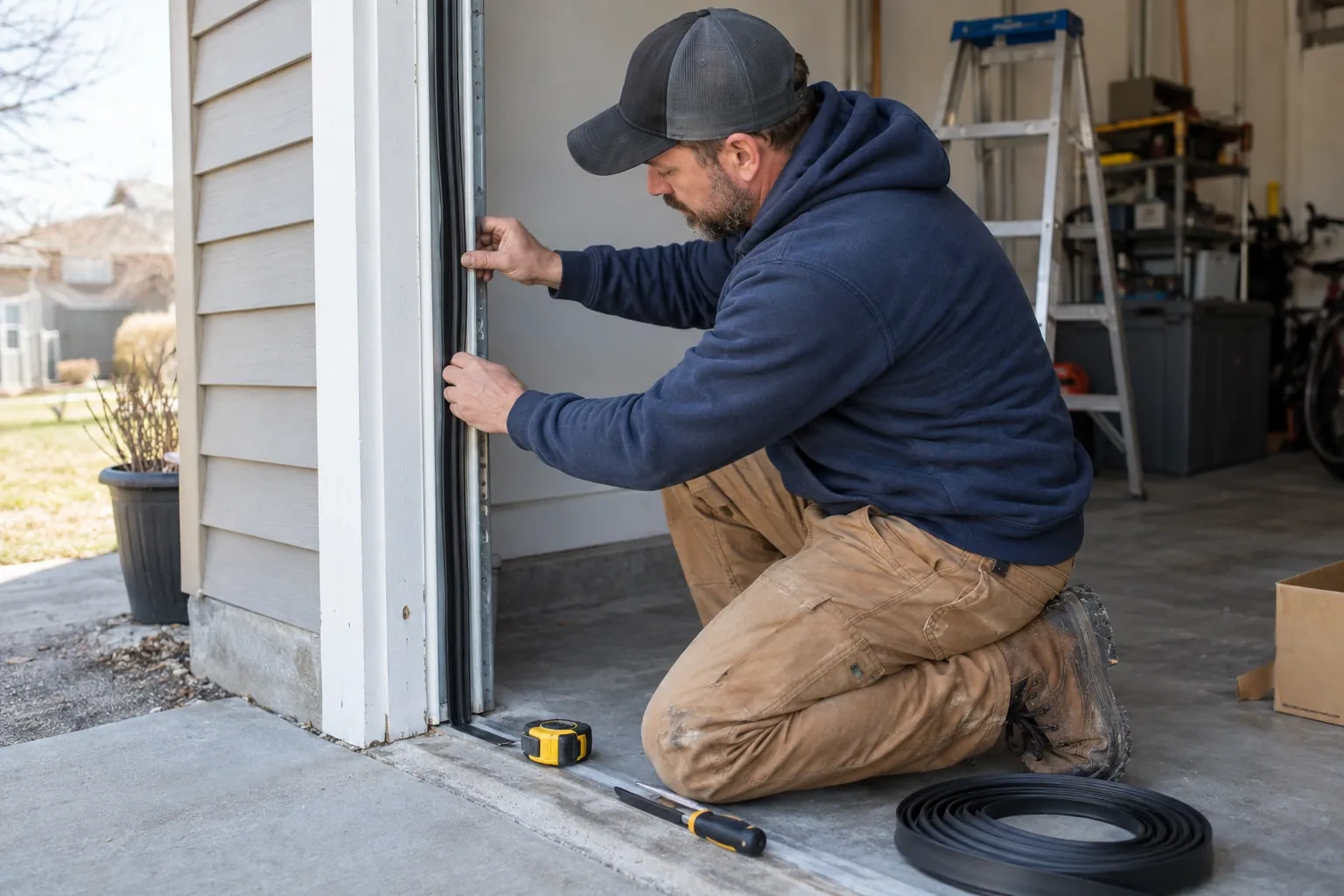
The survey measures the variation and determines how the bottom section and seal can meet it. A flexible astragal can accommodate modest changes, while a pronounced crown, dip or damaged threshold may call for related floor or threshold work. The door itself is installed level for reliable travel; the sealing approach is selected separately to follow the practical shape of the floor.
What happens to a powered door during a power interruption?
Commercial operators commonly include a manual hoist, hand chain or disconnect arrangement, but the sequence varies by system. Staff are shown the intended changeover and normal manual effort after repair. The door must still move freely and remain balanced; the emergency method is an operating feature, not a substitute for correcting a binding curtain or worn component.
Request a visit
Landlords and property managers in Grantham get a written summary after every visit: the address, what was found, what was replaced, and what is likely to need attention next. Tenants get a door that works and remotes that behave. Everyone knows where things stand without a second phone call.