Springs · St. Catharines
Garage Door Cable Replacement
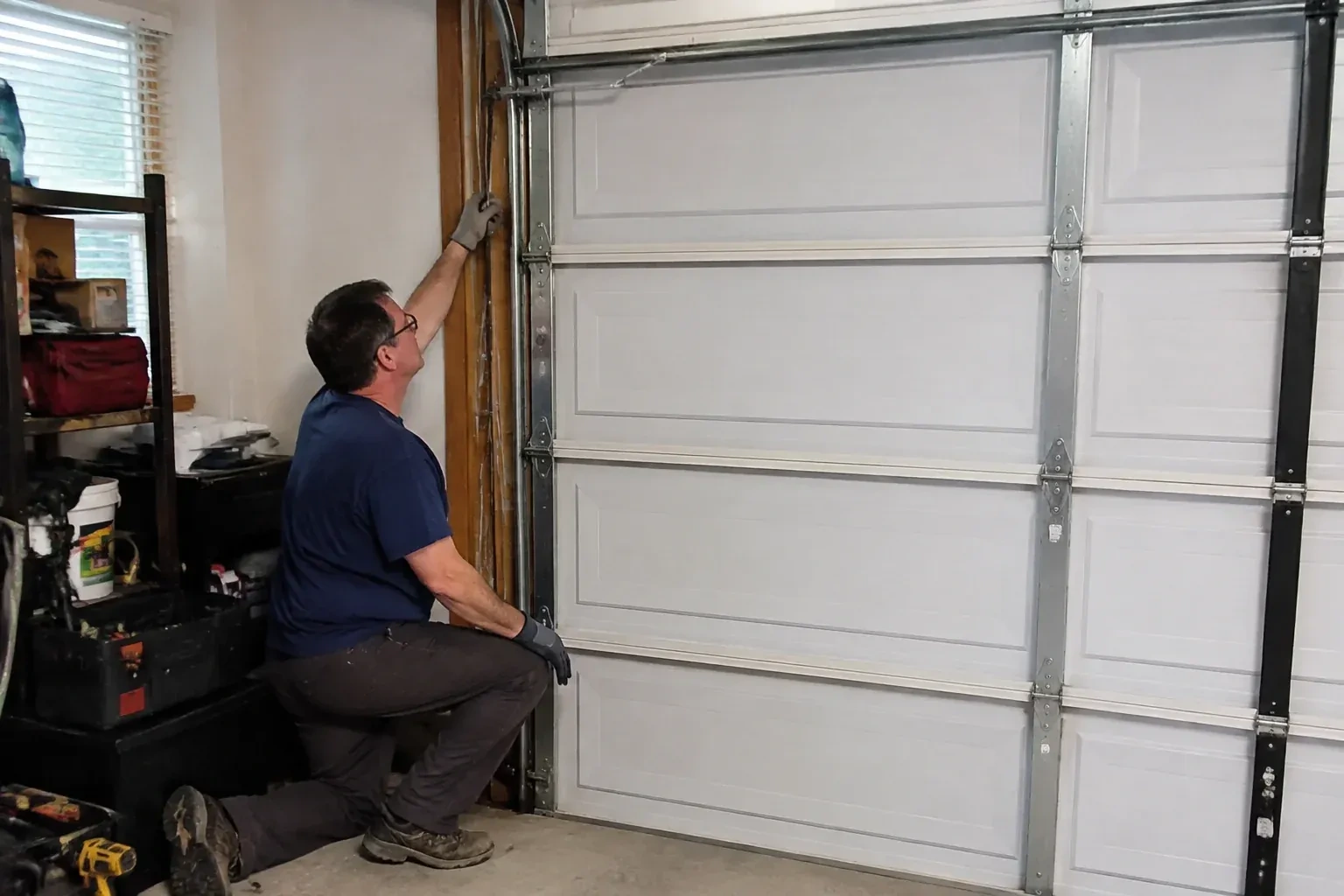
Standing inside with the door closed, you notice the cable on the right side near the floor has gone fuzzy.
In plain words
A cable visit runs in a set order. First the opener is disconnected and the door clamped so nothing can move. Then the counterbalance is unloaded so the drums, cables and bottom brackets can be handled calmly. The old cables come off, the drums and brackets are inspected, and new cables of the correct specification go on. Both sides are tensioned evenly until the door sits level, then the springs are wound back to the turns the door height calls for. Finally the door is balanced by hand, the opener reconnected and its travel and reversing checked. You are shown the finished door working before the technician leaves.
How the visit goesThe door went up as usual this morning, then stopped a third of the way with one corner higher than the other. It is wedged at an angle in the opening, the opener is humming, and nothing you press will move it.
Garage Door Cable Replacement
How the visit goes
Torsion or extension, and which lift
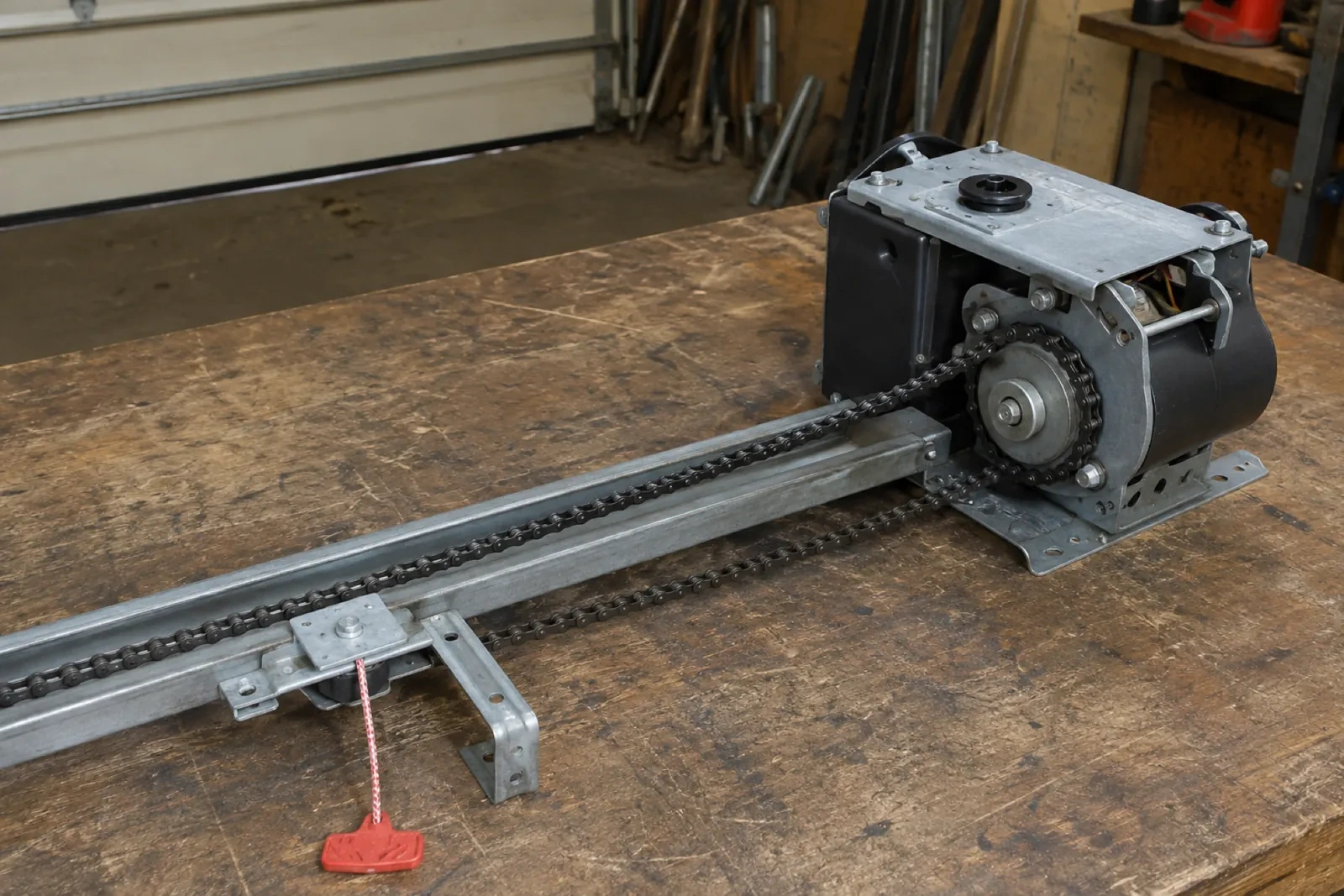
The technician identifies the counterbalance before choosing parts. A shaft with drums above the header means a torsion system; springs stretched beside the horizontal tracks with pulleys mean extension. Then the lift type: standard lift on most attached garages, low headroom hardware where the ceiling is tight, and high lift where the door climbs well above the opening before turning. Each uses a different drum profile and a different cable length, and a double door of the same height may need a heavier cable than a single. Reading these details correctly is what makes the replacement cable wind evenly on the drum instead of overlapping.
Fitting cables that match the door
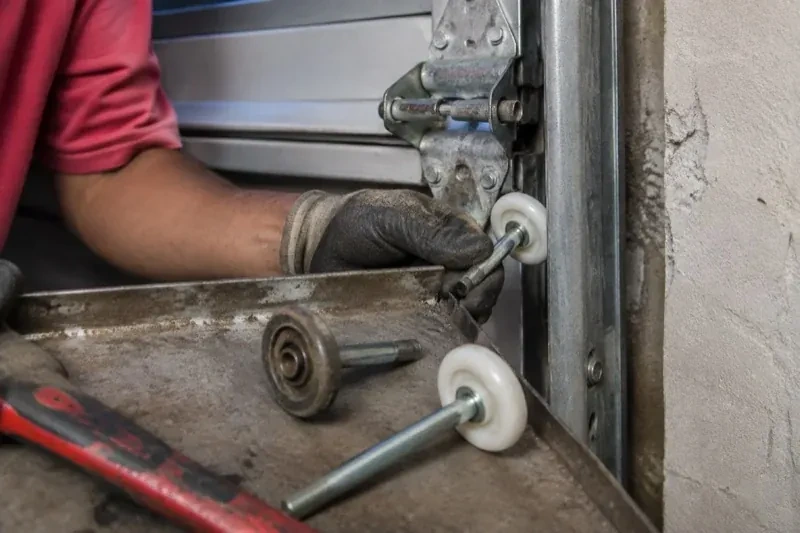
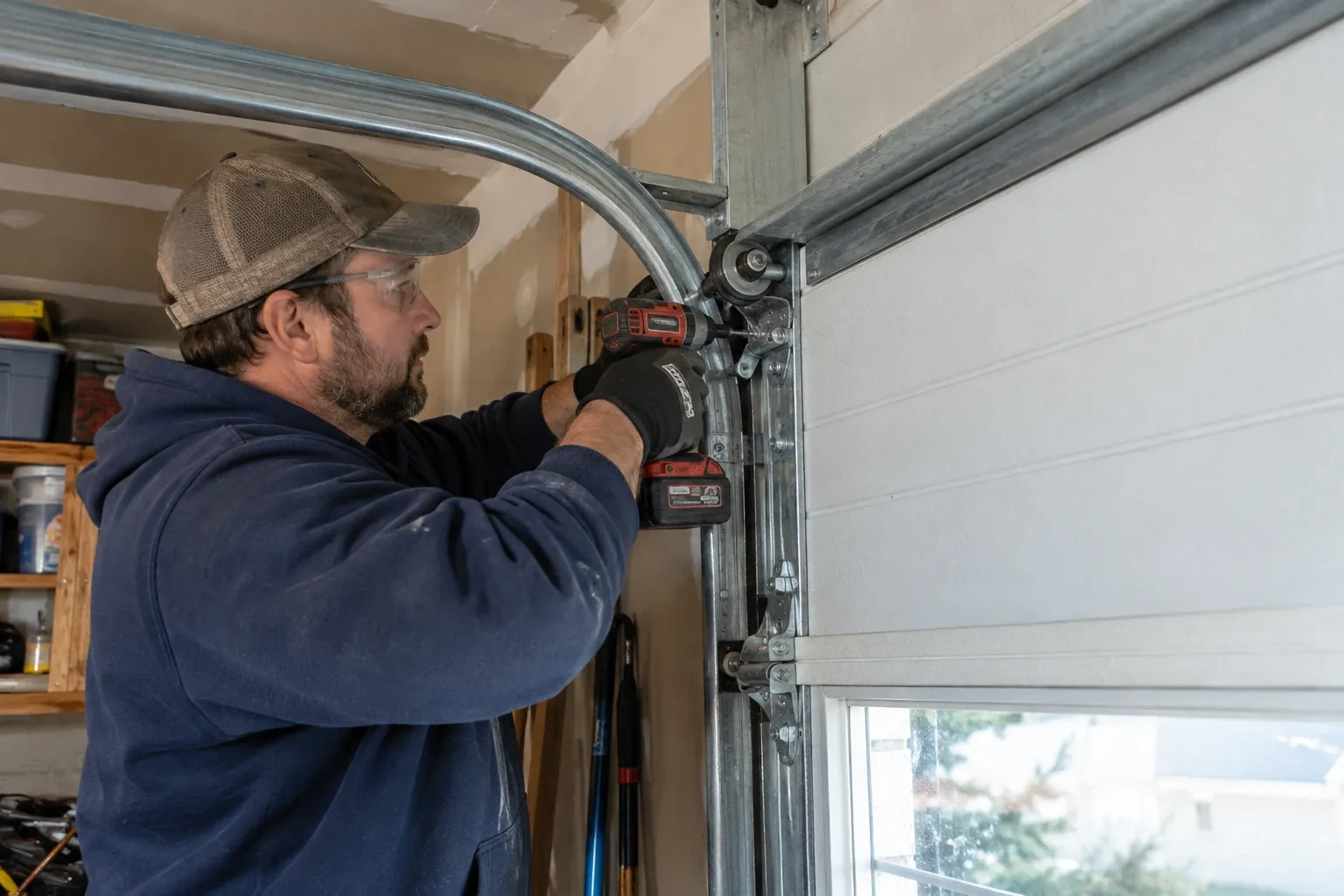
The replacement cables are chosen for construction, diameter and length rather than taken from a general bin. Residential doors use galvanized aircraft-type wire rope, and the length depends on the door height, the drum profile and the lift type; a high-lift door or a double door has its own requirements. The swaged stop on the new cable is seated in the drum slot and the cable is wrapped in the groove in the correct direction, leaving the drum on the side that leads straight down to the bracket. At the bottom, the loop goes over the bracket pin and is secured. The other side is fitted the same way.
A door that runs level and quiet
The first thing you notice is a door that rises squarely, with both bottom corners leaving the floor together and the top section staying flat as it turns into the horizontal track. The bottom seal meets the slab along its whole length, so the draft and the strip of daylight at one corner are gone. The opener sounds calmer, because it is moving a balanced door rather than dragging a crooked one, and it stops reversing for no apparent reason. If you lift the door by hand with the opener released, it moves with light effort and holds where you leave it. That is what a correctly cabled door feels like.
Garage Door Cable Replacement
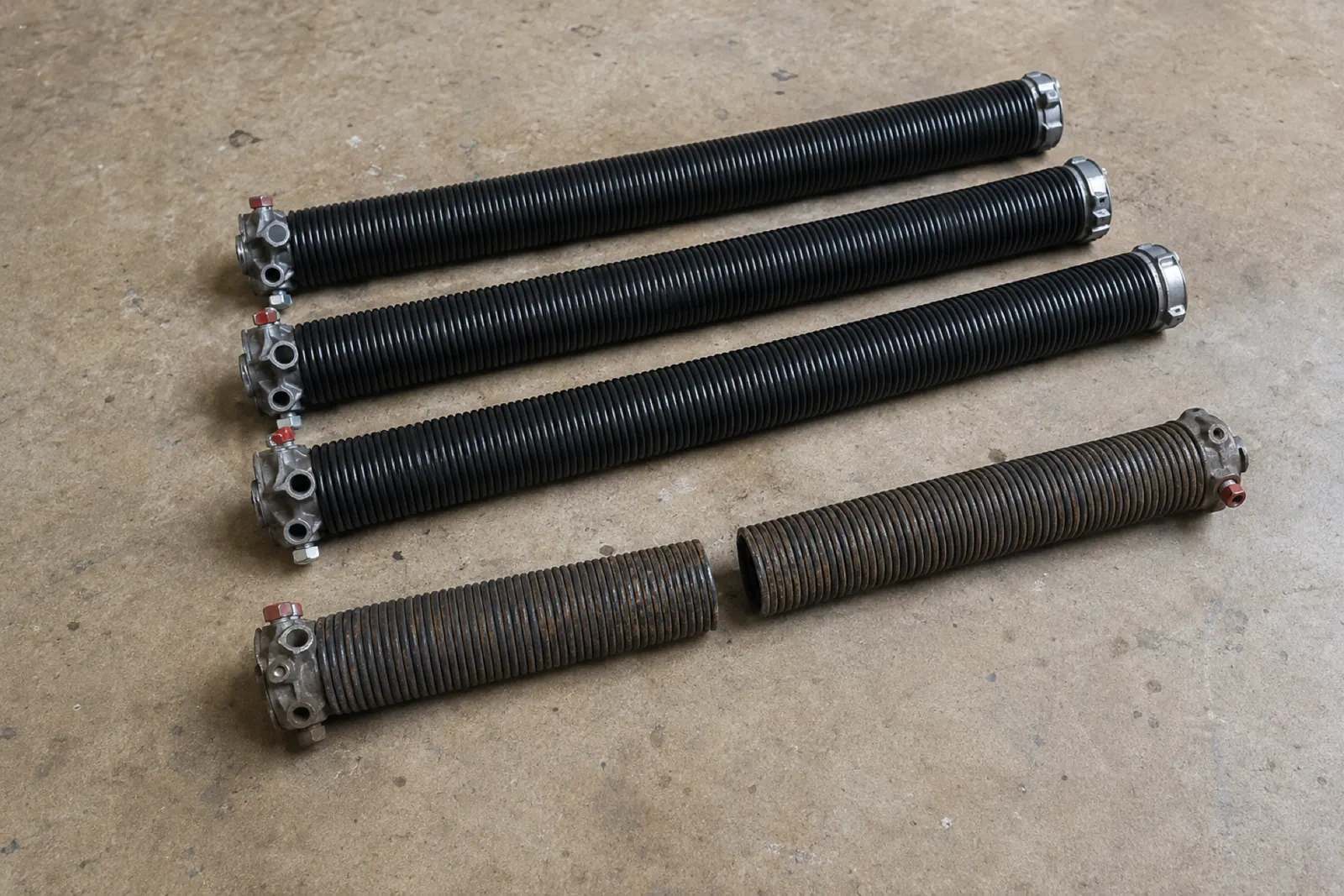
In the van
Torsion springs and winding cones
Containment cables
Track clamps or locking pliers
Drum set screws
Cable drums, matched pair
Garage Door Cable Replacement
What affects the quote
One cable or the pair
Cables are normally renewed together, and the quote reflects two cables and the work of setting both sides level. Where one side was recently replaced, that is discussed on site.
How the door is sitting
A door resting closed is simpler than one wedged crooked in the opening or off its track, which has to be supported and straightened before the cables can be handled.
Access to the spring shaft
Shelving, storage or a low ceiling around the torsion shaft and drums slows the work. Clearing the area beforehand or a tighter working space both affect the time quoted.
What to have ready
- Can you see a cable hanging loose, frayed, or wound around the shaft?
- Is the door closed, fully open, or stuck partway?
- When were the springs last replaced, if you know?
Garage Door Cable Replacement: questions
QuestionsHow do I tell a cable problem from a spring problem?
Look above the door with it closed. A torsion spring that has broken shows a clear gap in the coil, and both cables usually go slack together because nothing is turning the shaft. A cable problem tends to show on one side only: a frayed length, a coil of loose cable, or one corner sitting higher. Either way the technician inspects both, since a weak spring is a common reason a cable fails.
What makes a cable fray?
Fraying is individual wires breaking, and it comes from two things: bending fatigue where the cable wraps the drum or pulley, and rubbing where it touches something it should not, such as a bent track edge, a rough drum groove, a seized pulley or a bracket sitting crooked after a bump. Corrosion speeds both. The technician looks for the rough edge so the new cable does not meet it.
Why is the door sitting crooked in the opening?
Each corner of the door is held by its own cable. When one cable stretches, slips its drum or breaks, that corner loses its lift and drops while the other stays up, so the door tips and usually wedges against the track. Setting both cables to the same length and tension is part of every cable replacement, and it is what brings the door back level.
Related services
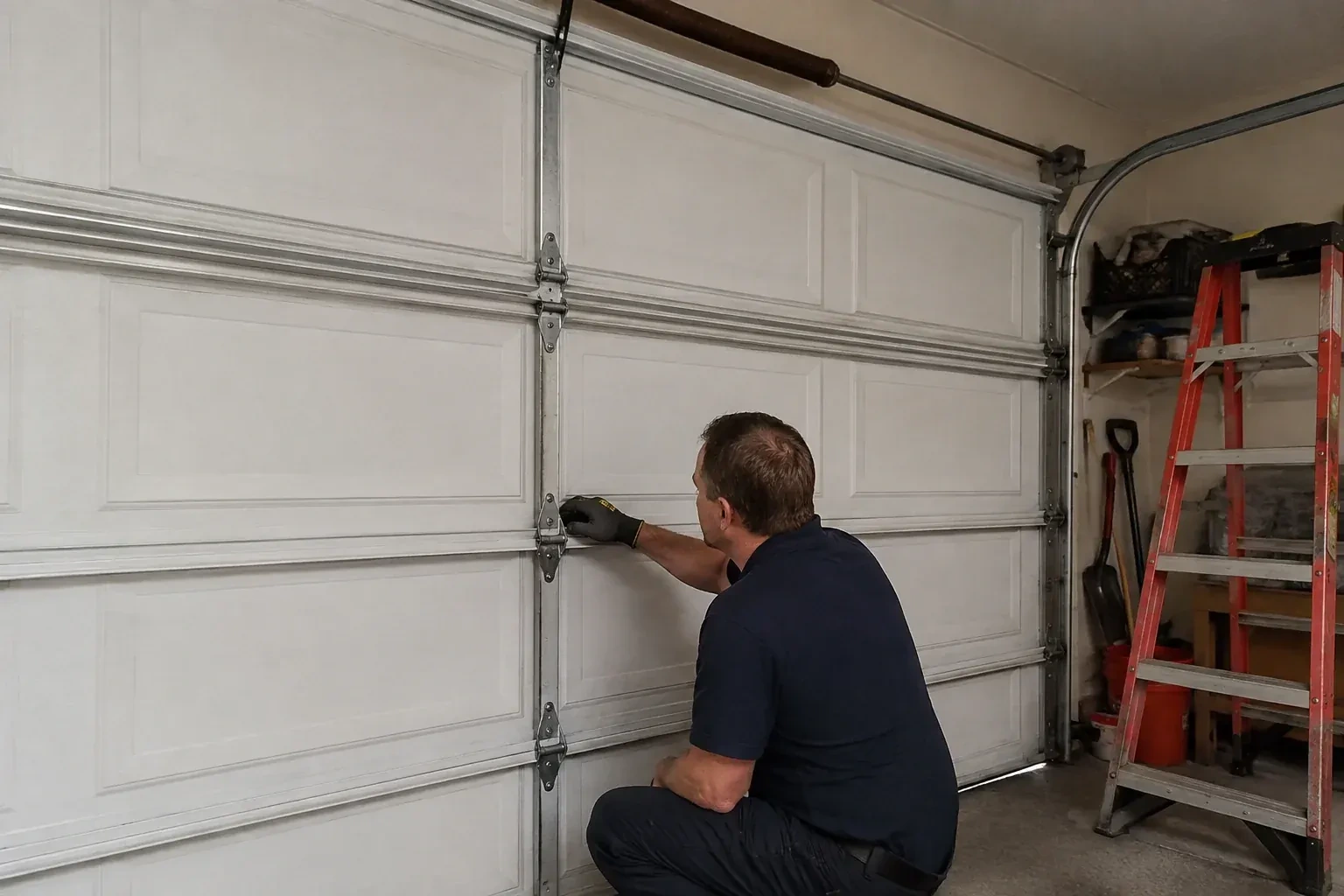
- Garage Door Hinge ReplacementOn the old wood door, one hinge has pulled away from the panel, dragging a screw and a chunk of soft timber with it.
- Garage Door Track Repair or ReplacementYou bought the house with a door that sticks near the top of its travel.
- Torsion Spring ReplacementAfter pulling the red release cord, you tried lifting the door yourself and it would barely leave the floor.