Repairs · Mississauga Beach
Garage Door Manual Lock Repair in Mississauga Beach
On the old wooden door out back, one lock bar hangs loose from a rusted guide and the other is bent at an angle, so the handle turns but the door can still be lifted a hand's width from outside.
In plain words
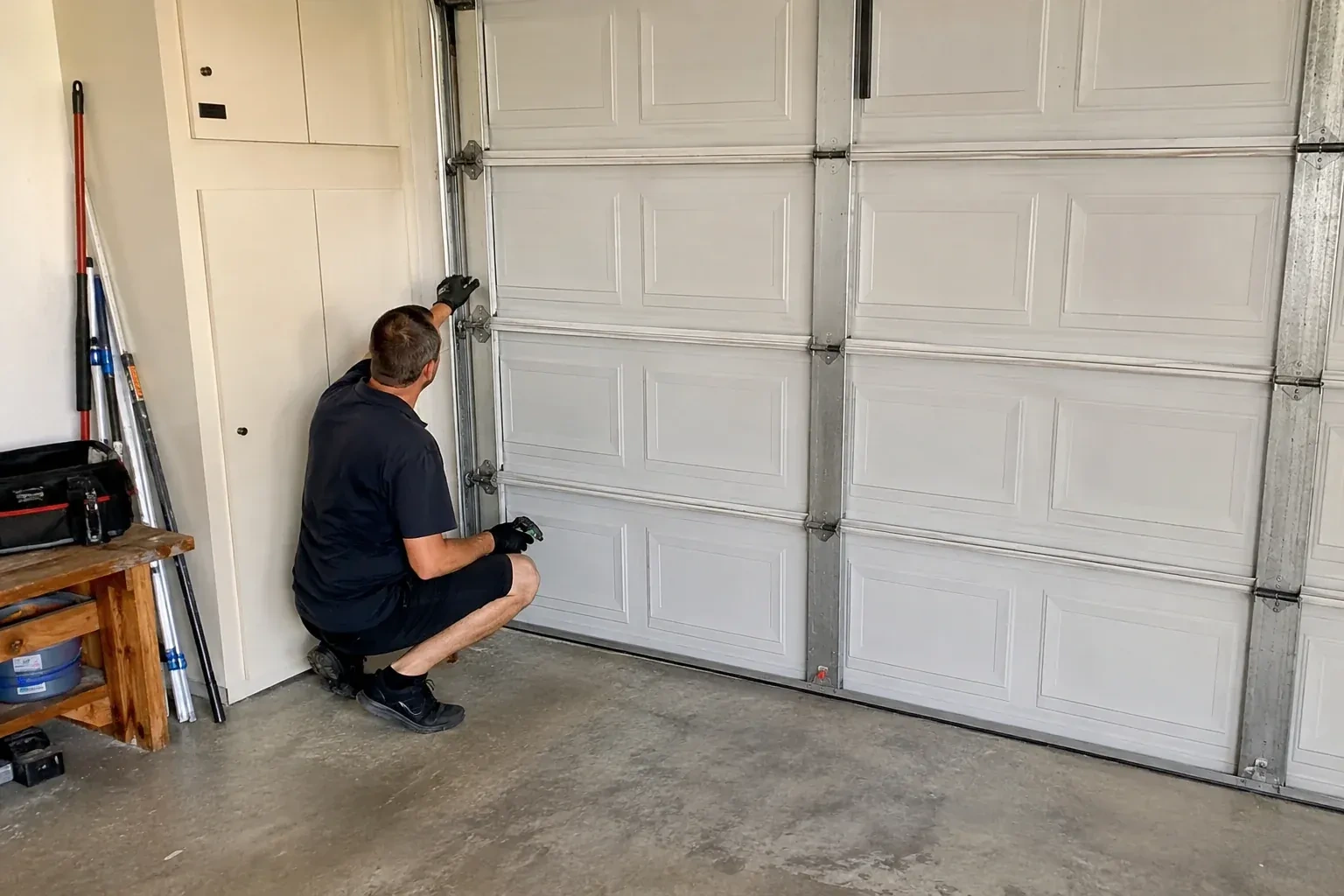
The visit runs in a settled order. On the phone you describe the lock, the door, whether an opener is fitted and whether the lock is currently jammed. On site the opener is disconnected, the door is closed by hand and checked for level. The lock is then examined piece by piece: handle, spindle, centre mechanism, bars, guides, cylinder, fasteners and the track slots. Adjustments are made first, worn parts replaced second, and the lock is cycled from both sides with the door shut. Finally the opener is reconnected, the door runs full cycles, and you are shown how the lock and the opener are meant to be used together.
How the visit goesThe outside handle wobbles in your hand and the inside knob spins round and round with nothing attached. The screws that held the lock through the door skin have pulled loose, leaving oval holes, and the whole thing hangs on by little more than paint.
Garage Door Manual Lock Repair
How the visit goes
The cylinder and its key
A keyed handle gets the same attention a house lock would. The technician tries the key, feels for grit, ice or wear, and checks whether the cylinder is firm in the handle or has worked loose. A key that turns freely without unlocking anything means the tailpiece or cam at the back of the cylinder has broken or slipped. A key that will not enter or turn in cold weather usually means meltwater has frozen in the keyway. A key that needs a wiggle means worn pins or a worn key. Whether you hold a key at all is noted too, since a lost key shifts the plan from repair to rekeying or replacement.
Anchoring the lock in tired material
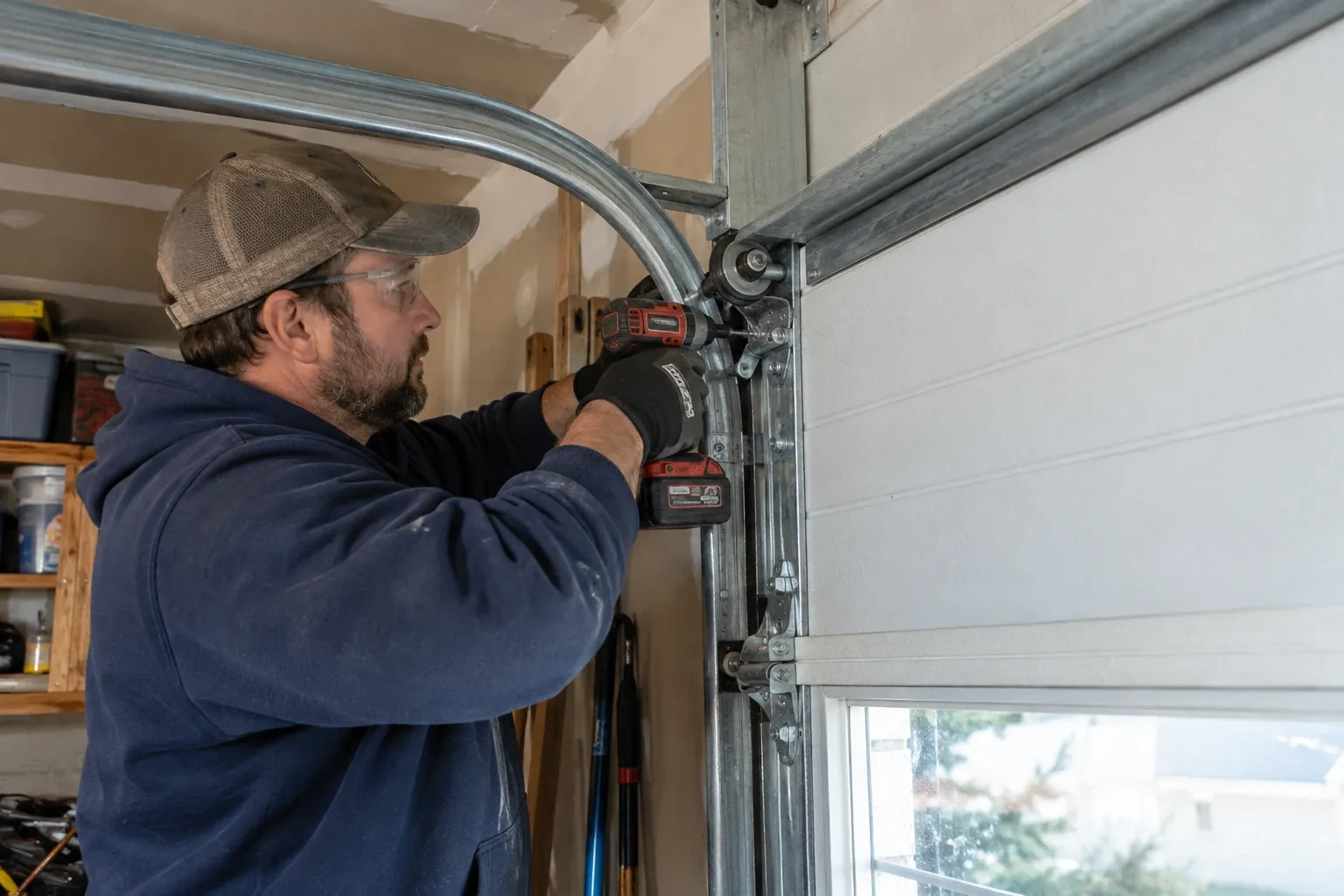
A lock is only as sound as what it is screwed to. Where screws have pulled through a thin steel skin and left oval holes, the technician fits carriage bolts through the section with a backing plate on the inside, spreading the load across a wide patch of metal. On a wooden door with softness around the handle or along the stile, the decayed wood is cut back and a hardwood filler block or backing plate is let in, and the lock and guides are fixed to that. Holes that have grown are plugged and redrilled. The result is a handle that turns without rocking and guides that hold the bar where it was set.
One rule at the wall button
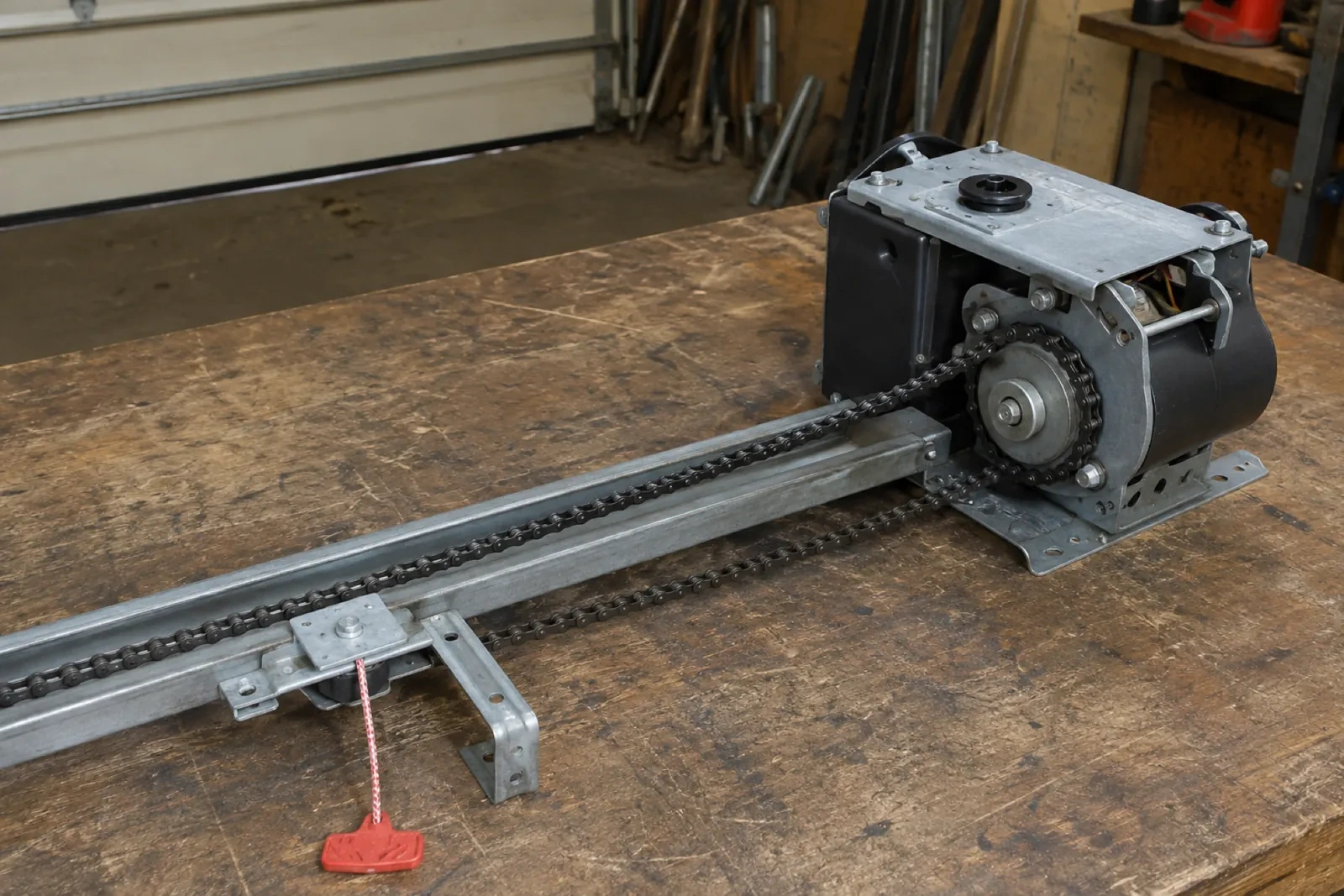
Where an opener shares the door, opener makers direct that the manual lock be removed or positively disabled rather than left in service on habit alone. The technician demonstrates the opener's own lock-out feature at the wall control and shows everyone who uses the garage how to tell at a glance whether the bars are in or out. Spring-loaded snap latches are left with their holding catch explained, since they lock on their own when the door closes. Most families settle into the routine after a few days, and the label is there for visitors, house-sitters and the one morning when someone is half asleep.
Garage Door Manual Lock Repair
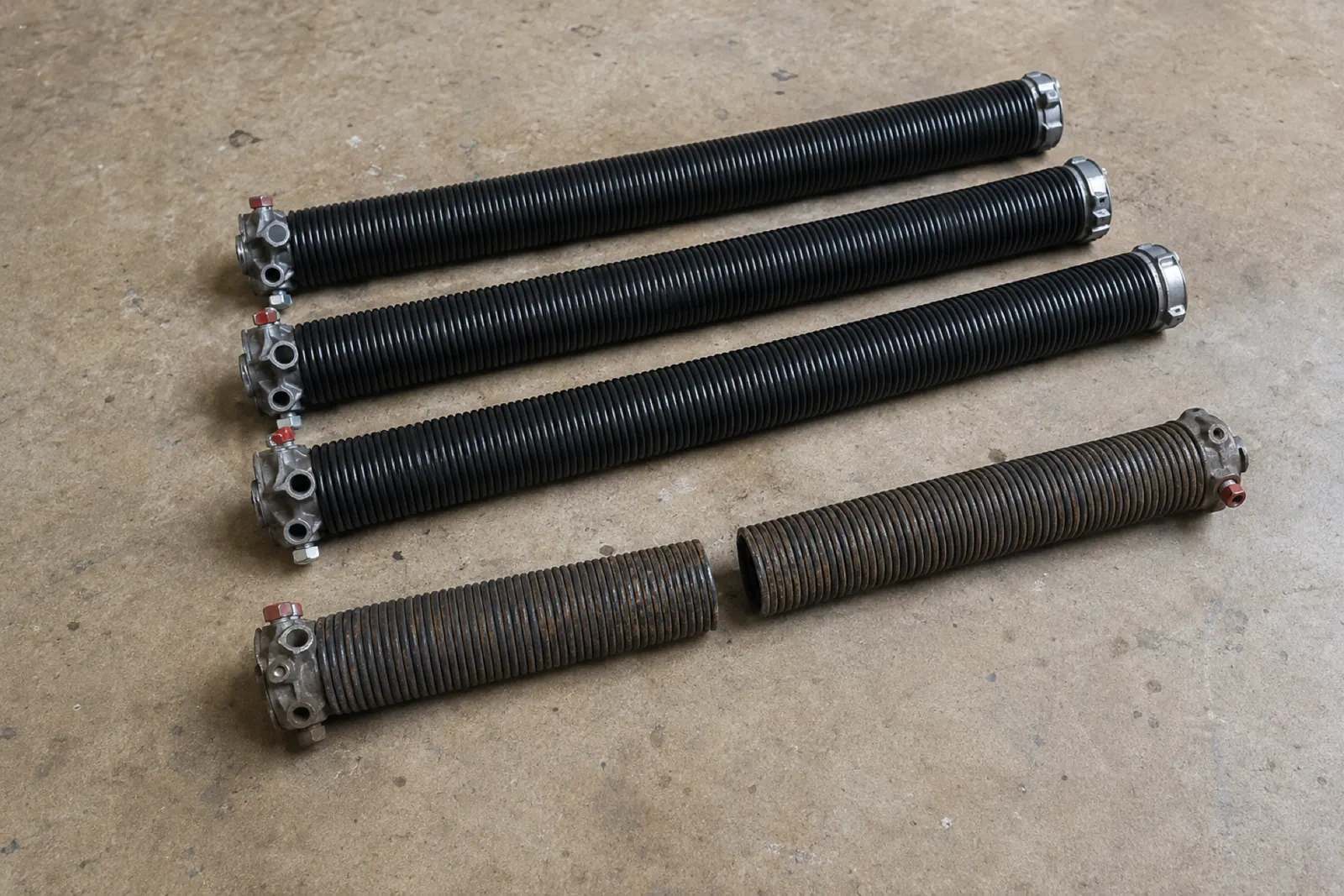
In the van
Carriage bolts and backing plates
Track lock-slot punch
Spring-steel lock bars
Key blanks and rekeying pins
Centre lock body and return spring
Garage Door Manual Lock Repair
What affects the quote
Condition of the bars and guides
Bars that are merely stiff are cleaned and lubricated; bars that are bent are replaced and cut to length, and rusted guides are renewed. The quote follows what the bars turn out to need.
Slide bolt or keyed handle
An inside slide bolt is a simple piece of hardware with one moving part. A keyed T-handle has a cylinder, spindle, centre body, springs and two bars, and its repair takes more time and more parts.
Adjust, repair or replace
A guide reset or a cylinder rekey is a small job; a new mechanism or a complete handle set with bars is a larger one. The inspection settles which is needed before anything is quoted.
What to have ready
- Would you like the garage lock keyed to match your house key?
- Are the lock bars bent, rusty or hanging loose?
- Do you want to be able to lock the door by hand during a power outage?
Garage Door Manual Lock Repair: questions
QuestionsThe wood around my lock is soft. Can it still be repaired?
Yes. The decayed wood is cut back to sound material and a hardwood block or a steel backing plate is let in behind the handle and along the stile where the bar guides sit. The handle, mechanism and guides are then fixed to that new material with through-bolts rather than screws into soft grain, so the lock turns without rocking and the bars hold their line.
Can a bent lock bar be straightened?
It is better replaced. Lock bars are spring steel, and once one has been bent by an opener pulling against it, it takes a set and tends to bind in its guide or kink again under load. New bar stock is cut to the door's width so the bar reaches through the track with a margin and pulls fully back when released. Both bars are set to the same throw.
What kinds of manual locks are found on garage doors?
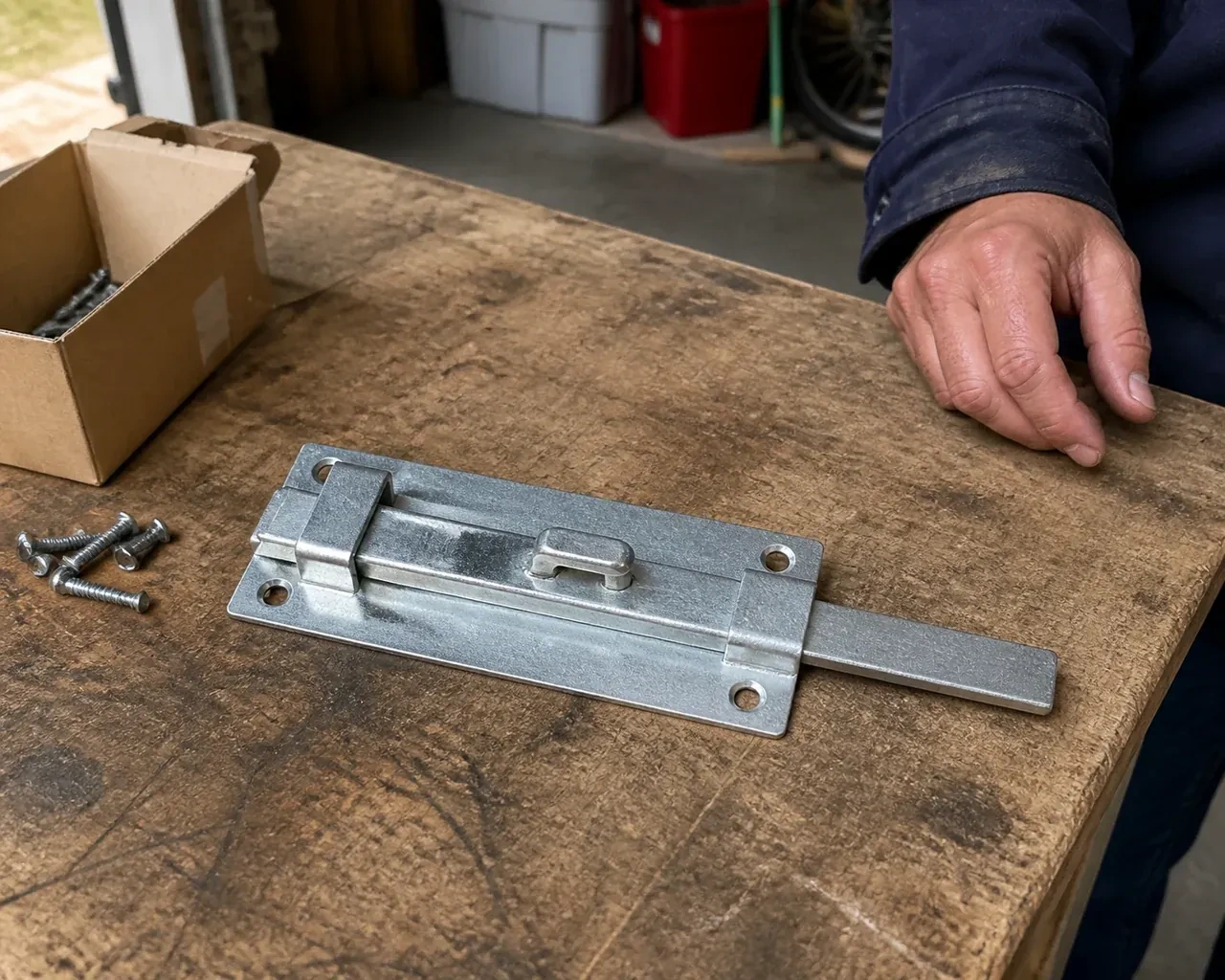
Two are common on sectional doors. An inside slide bolt sits on the door's edge and shoots sideways into a slot in the vertical track; some are spring-loaded snap latches that lock on their own when the door closes. An outside keyed T-handle turns a centre mechanism that throws a bar into each track, though some models pull a cable to release a spring latch instead. Some doors add a keyed cylinder on the side to work the slide bolt from outside.
Related services
- Garage Door Tune-UpOn windy nights the door rattles in its frame, there is a line of daylight along one side, and the bottom seal has gone hard and flat.
- Off-Track Garage Door ResetA delivery van backed into the shop's overhead door this afternoon.
- Garage Door Panel ReplacementA stray ball went through one of the window panes in the top section.