New Doors · Ryderville
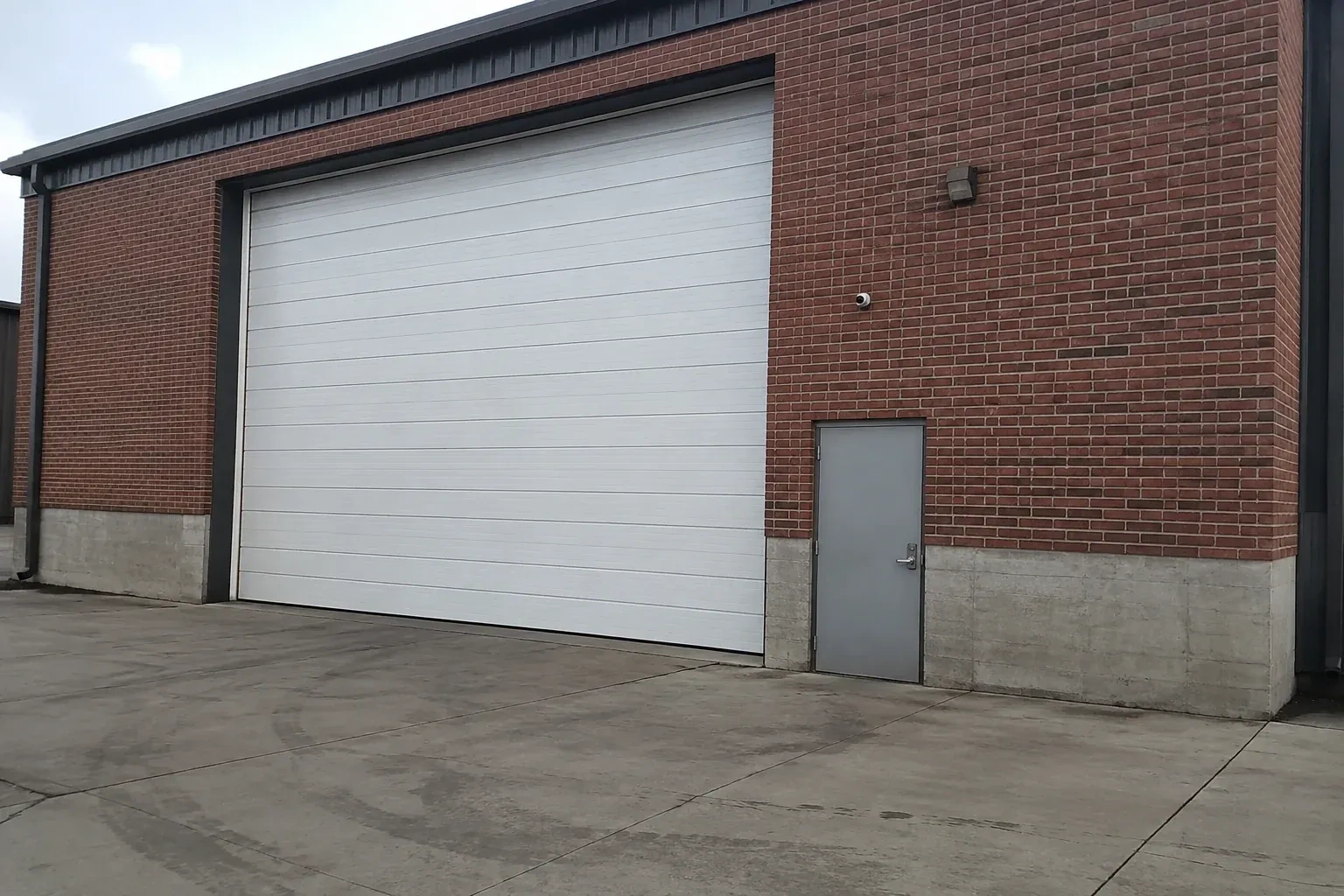
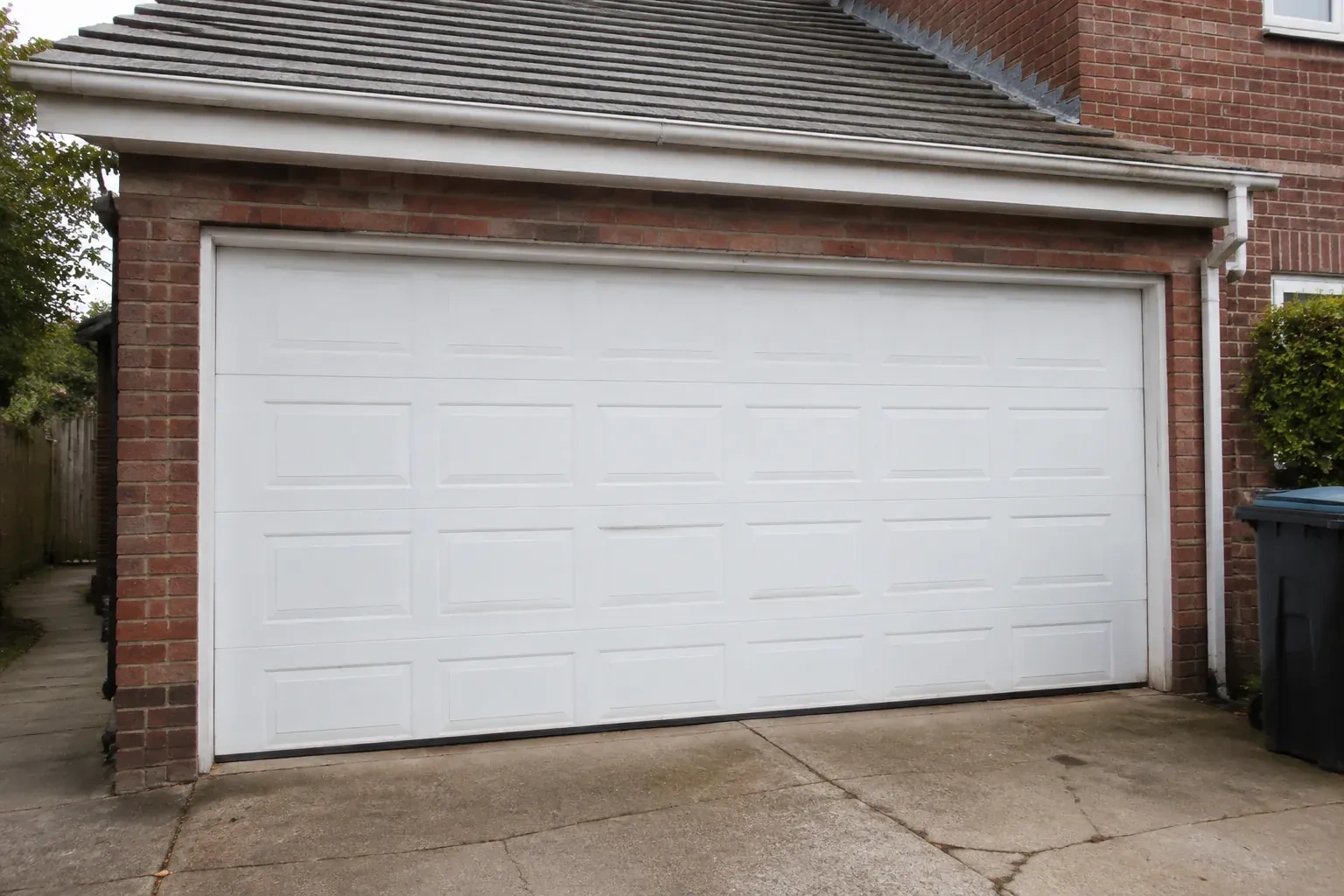
Commercial Sectional Door Repair in Ryderville
Cold weather has exposed a widening gap below the closed door.
In plain words
Weather-related repair focuses on the lower part of the opening as well as the moving door. Ice at the threshold, slush, salt, a torn bottom seal and corrosion around lower fixtures can change how the door lands and how long components last. The technician clears the travel path, checks the bottom section and retainer, examines cables and brackets for deterioration, and corrects the seal or alignment issue. The result is an opening that closes squarely and manages drafts and moisture more effectively through changing seasons.
How the visit goesEach opening cycle brings a metallic knock followed by a shudder through the horizontal track. The sound grows near the curve, where a worn roller and loose hinge allow the section to shift under load.
Commercial Sectional Door Repair
How the visit goes
Reviewing high-lift geometry
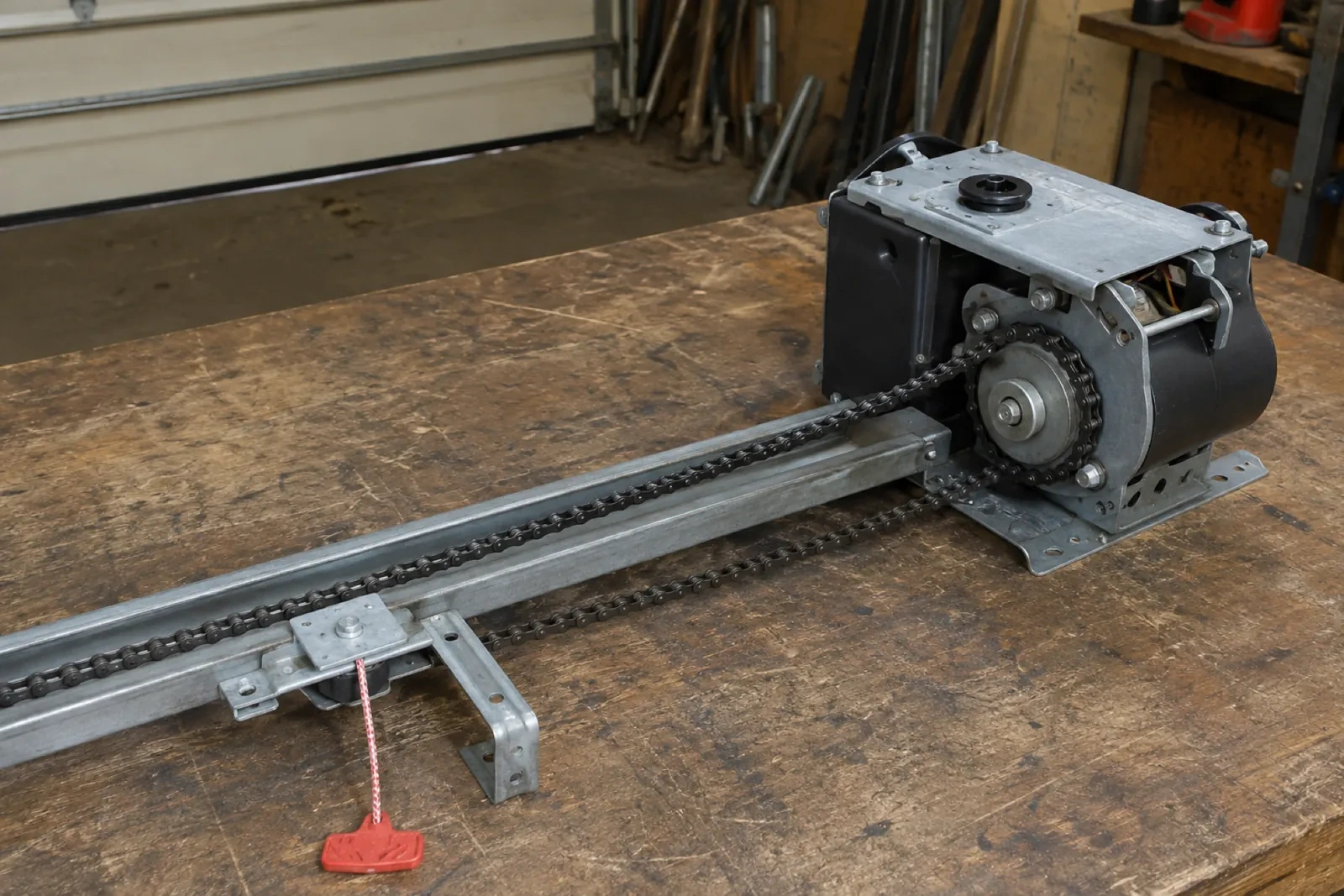
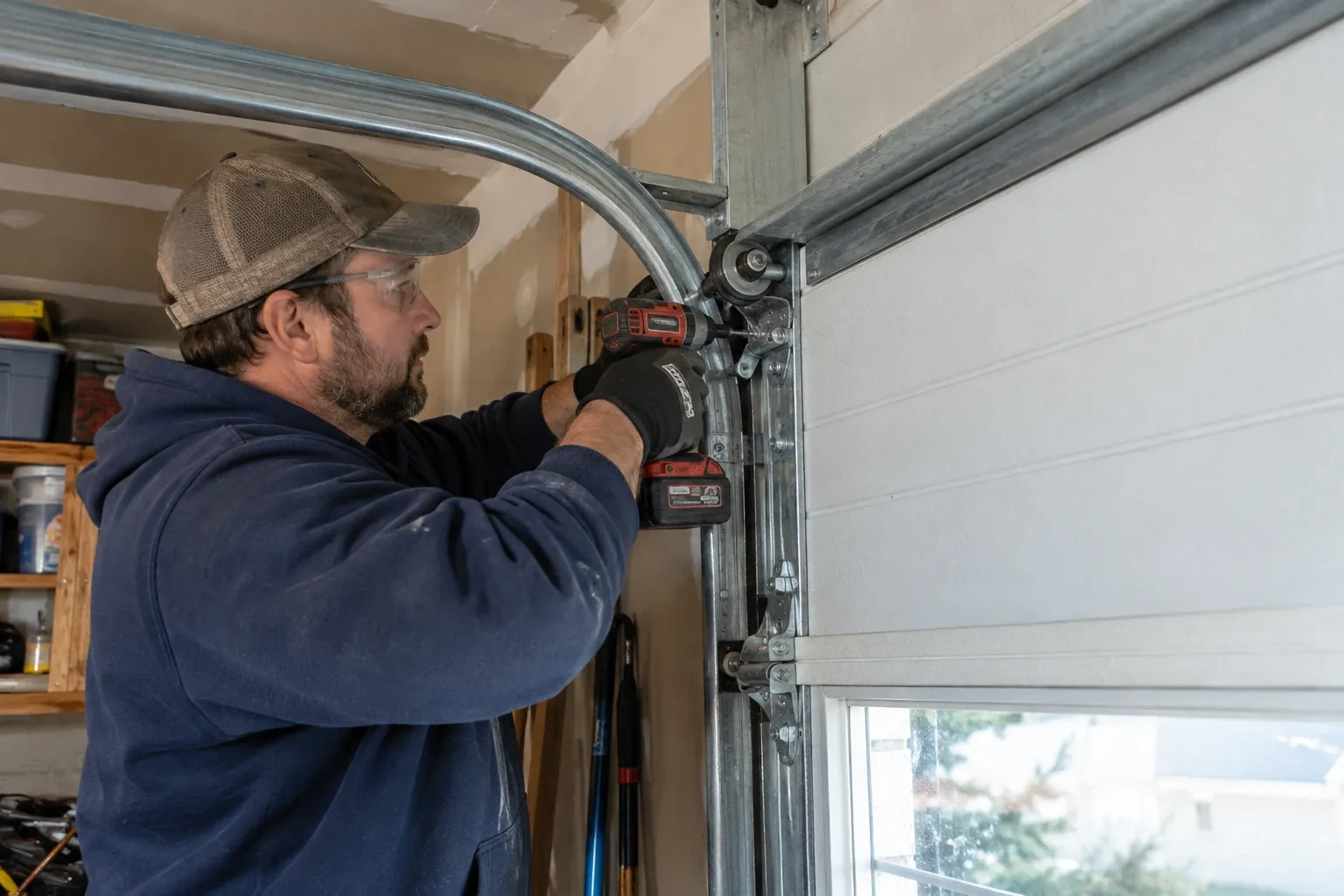
High-lift and vertical-lift systems are identified before components are ordered. The technician records door dimensions, track rise, drum arrangement, shaft location, cable path, spring information and operator connection. Back hangs, sway braces, track splices and end stops are examined because movement overhead can appear as cable trouble below. Cable tension is observed at key transitions, especially near the open position. The resulting measurements guide part selection and show whether the fault came from wear, lost support, changed adjustment or a mismatch within the lift arrangement.
Re-establishing the weather seal
A damaged bottom seal is removed from its retainer, and the retainer is straightened or replaced when impact has distorted it. The new seal is sized for the door and floor condition, then fed evenly so it reaches both corners without stretching. Side and header weatherstrip are positioned for continuous contact while leaving the door free to move. If an uneven landing caused the original gap, cable level or track position is corrected first. The final fit is viewed from both sides with the door closed and checked again after cycling.
Useful documentation for a busy facility
The finished record ties the complaint to the actual repair: door identification, parts changed, settings adjusted and functions tested. For properties with many similar openings, assigning a clear asset number to each door prevents service histories from becoming mixed. Cycle demand, collisions and recurring observations can then be logged against the correct bay. This information supports practical maintenance planning and helps the next technician arrive with relevant dimensions and system details, while staff retain a concise reference for normal sound, travel and control behaviour.
Commercial Sectional Door Repair
In the van
Photoelectric sensors and sensing edges
Commercial door sections
Vertical and horizontal track
Reinforcement struts
Track brackets and back hangs
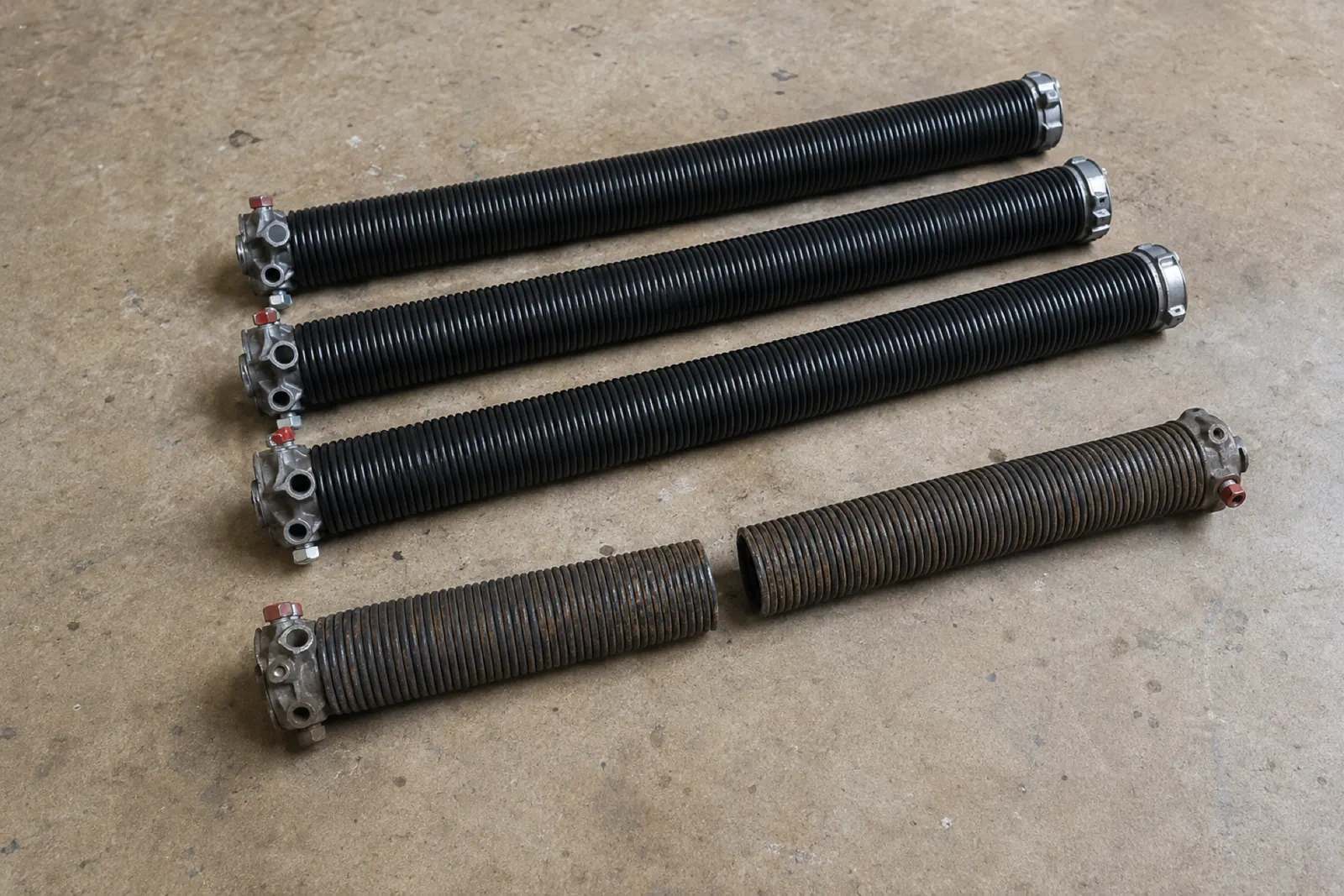
Commercial Sectional Door Repair
What affects the quote
Roller and hinge wear
One failed roller is a smaller scope than widespread bearing play, loose numbered hinges or damaged mounting holes across several door sections.
Position of the stopped door
A door resting closed, hanging partly open or displaced from its tracks requires a different stabilization plan before repair work and component removal can begin.
Lift and track configuration
Standard, low-headroom, high-lift and vertical-lift arrangements use different track geometry, drums, cables and access methods, so the installed configuration shapes labour and parts.
What to have ready
- Can traffic use another opening during the work?
- Was there a vehicle, forklift or load impact?
- Is the door operated electrically, by hoist or by hand?
Commercial Sectional Door Repair: questions
QuestionsDoes fire-rated status affect sectional door repair?
It can. If the opening is part of a required fire separation, its label, approved assembly, release equipment and building fire-safety documentation shape what components and procedures are appropriate. Share any door labels or inspection records before work begins. The repair can then preserve the intended closure function and align with the property's applicable fire-safety responsibilities.
What makes a sectional door different from a rolling door?
A sectional door is built from horizontal panels joined by hinges. Rollers guide those sections through vertical, curved and sometimes horizontal track. A rolling door uses narrow slats that coil around a barrel above the opening. Because the constructions differ, sectional repair centres on panels, hinges, rollers, tracks, lift cables and counterbalance components matched to that system.
Why are the hinges numbered along the sides?
Numbered end hinges position each roller progressively farther from the panel as the sections rise. That changing offset lets the stacked door follow the track curve while maintaining its shape. Installing a hinge in the wrong position can alter alignment and clearance. Centre hinges have a different role: they connect sections across the width without carrying track rollers.
Related services
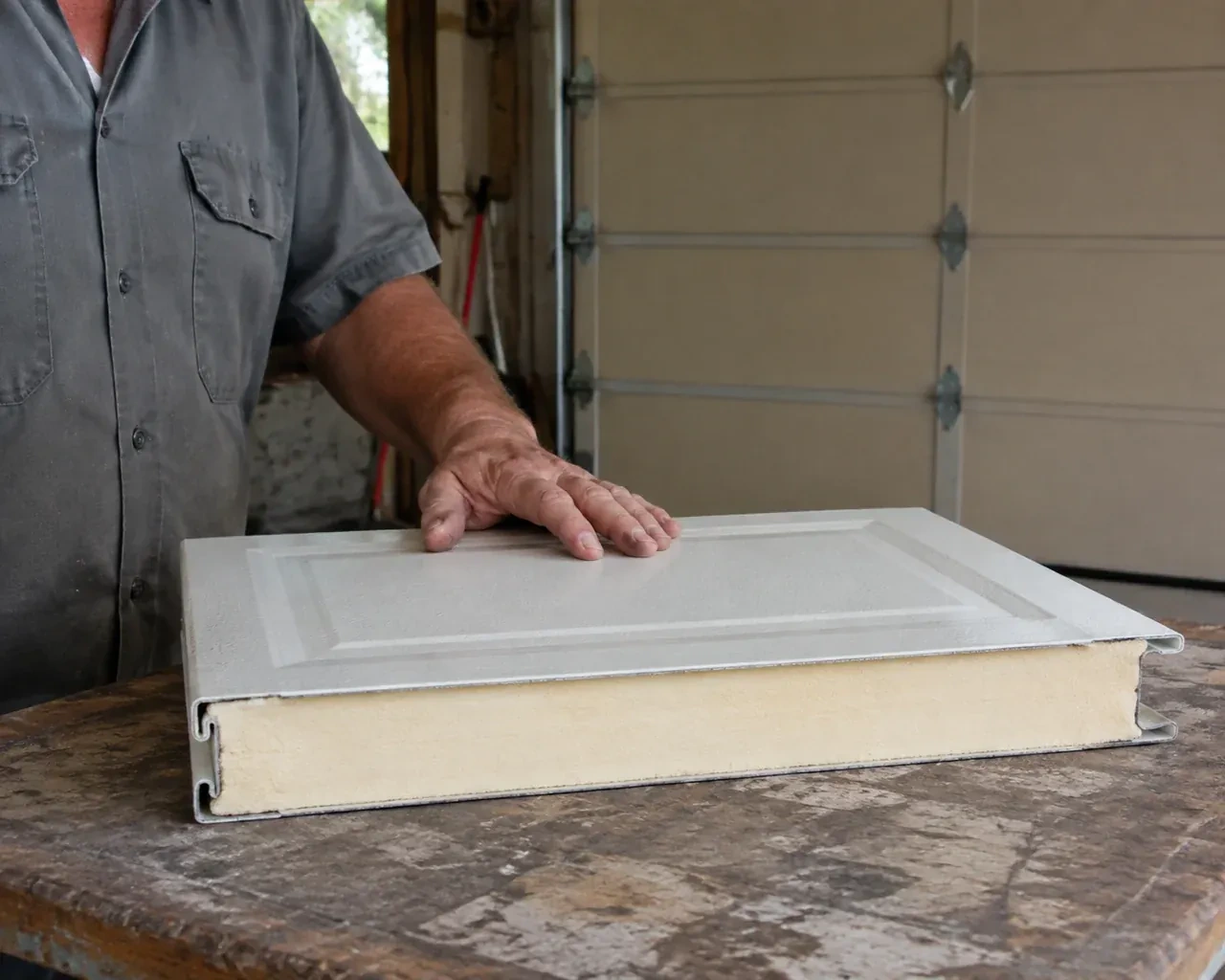
- Insulated Steel Garage Door InstallationThe opener strains as the heavy older door starts upward, and manual movement feels uneven.
- Wind-Rated Garage Door ReplacementThe property faces open fields, leaving the garage frontage more exposed than neighbouring homes sheltered by trees and buildings.
- Carriage-House Garage Door InstallationCold air is noticeable around the current door, especially near the floor and section joints.