Springs · St. Catharines
Torsion Spring Replacement in St. Catharines
After pulling the red release cord, you tried lifting the door yourself and it would barely leave the floor.
In plain words
Torsion spring replacement restores the counterweight that makes a garage door light enough to lift. A sectional door often weighs more than a fridge, and the spring above the opening carries nearly all of that load, storing energy as the door closes and releasing it as it opens. When a spring breaks or wears out, the technician removes it, fits a spring matched to the door's weight and height, winds it to the correct number of turns and checks that the door balances at every point of travel. The opener returns to doing its light share of the work, and the door moves smoothly and evenly again.
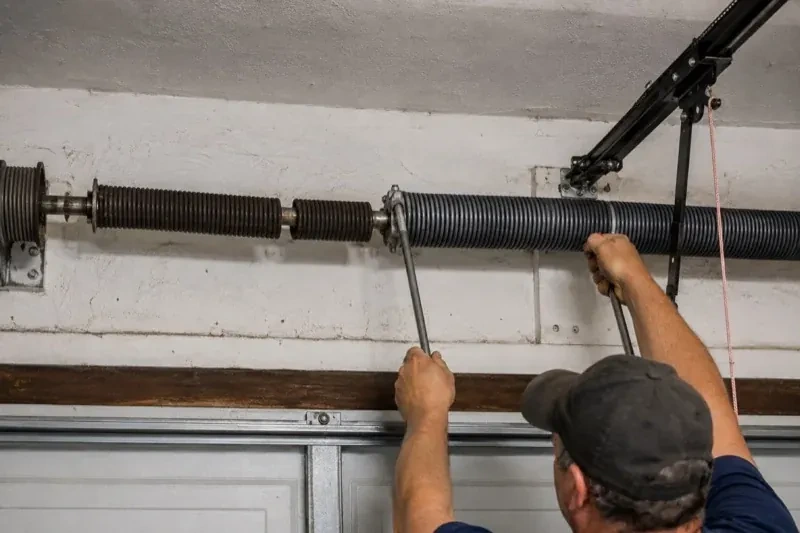
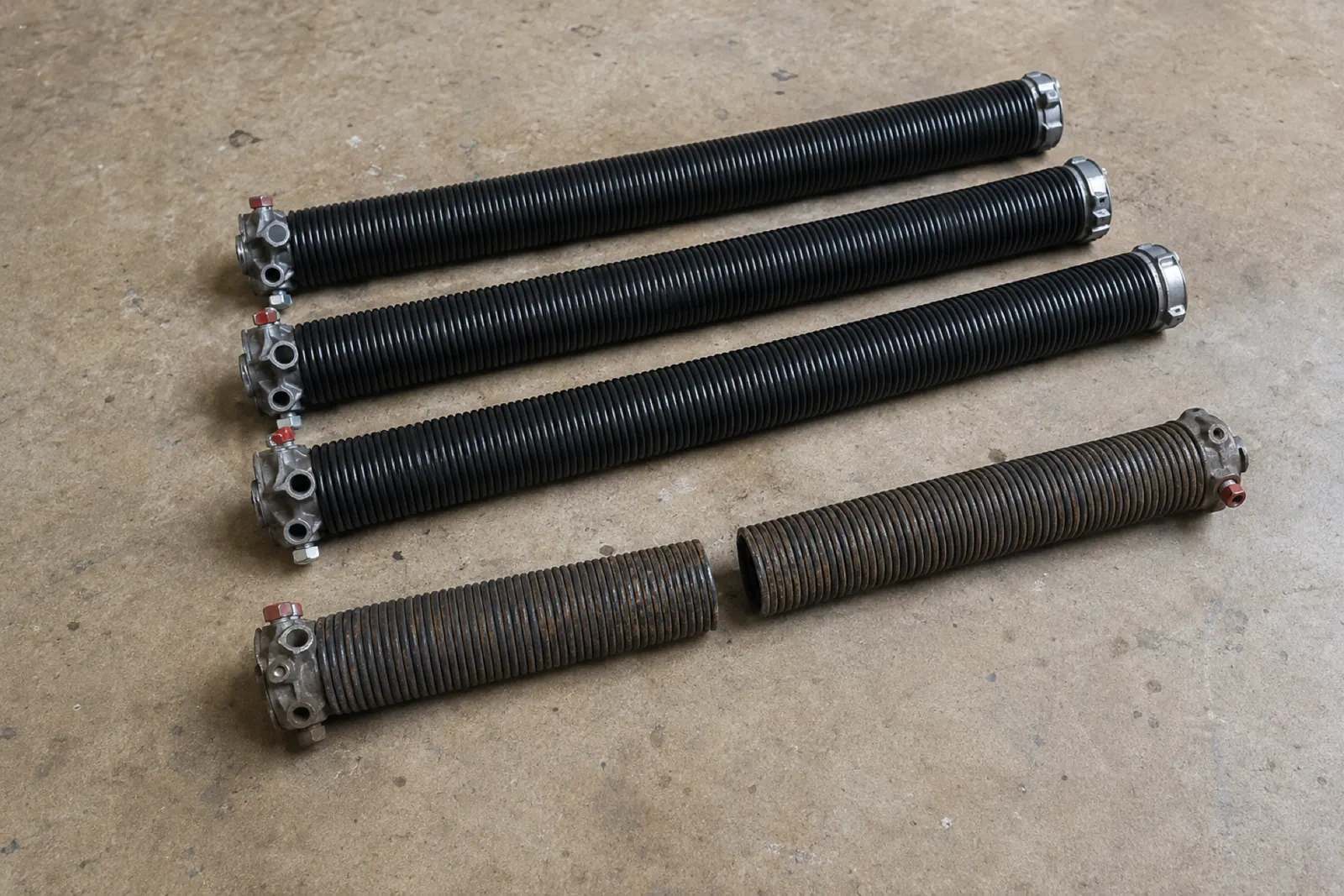
How the visit goesLooking up at the coil above the door, you can see a clean split with a gap of several centimetres between the two halves. The rest of the spring looks fine, but the door has become almost impossible to move by hand.
Torsion Spring Replacement
How the visit goes
Following the hardware the spring drives
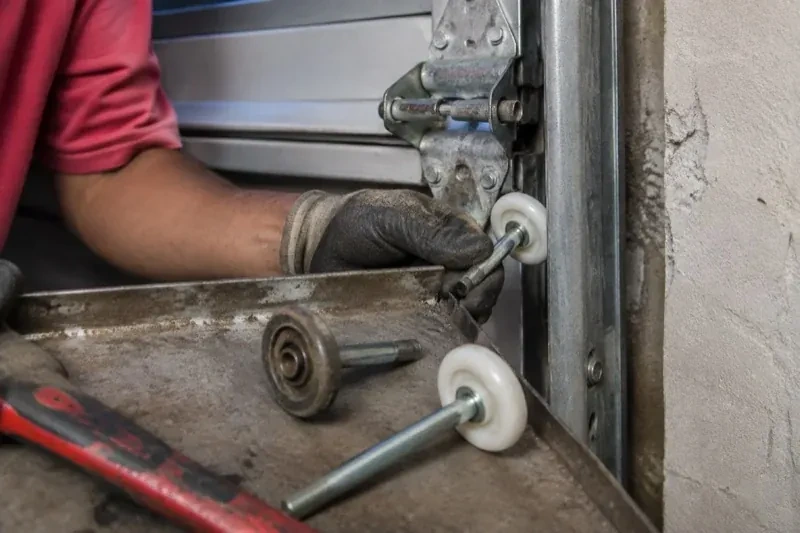
The spring is one part of a chain, so the check follows that chain from the shaft outward. The centre bearing and the end bearings are turned by hand to feel for roughness or wobble. Cable drums are inspected for cracked flanges and worn grooves, and lift cables are examined along their length and at the bottom brackets, where fraying and rust usually start. Bottom brackets and their fasteners are looked at for corrosion, and the shaft is checked for straightness. Findings here decide whether the visit is a spring swap alone or a spring plus a few tired companions.
The replacement from start to finish
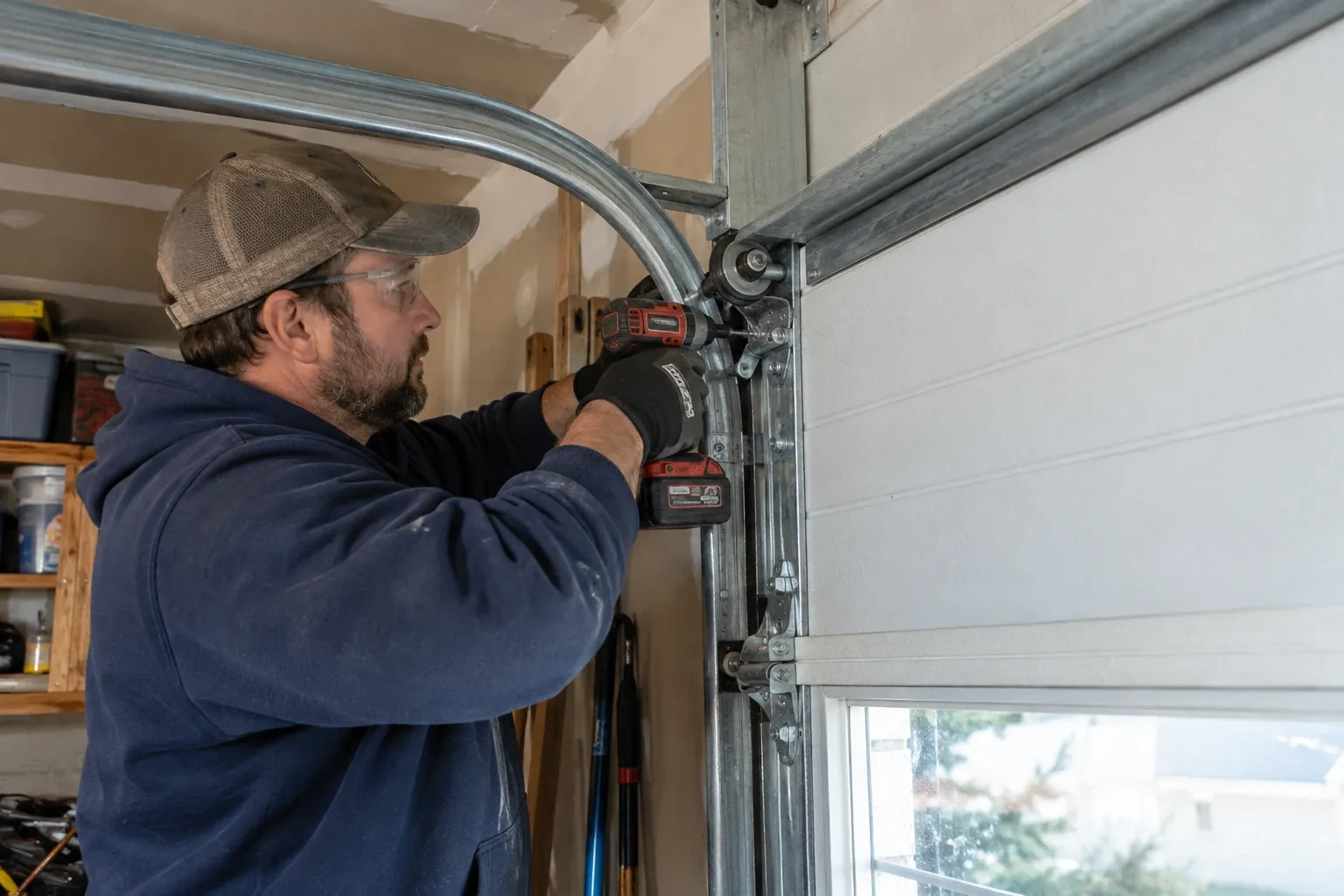
With the door clamped and the opener disconnected, the technician releases any tension left in an intact spring, loosens the drum set screws and slides the drums inward, then removes the old spring from the shaft. Bearings are inspected while the shaft is free. The new spring goes on with its stationary cone bolted to the centre bracket and the winding cone facing the drum. Drums are refitted, cables seated, the shaft levelled and cable tension evened on both sides. Winding follows, then the set screws are seated and the clamps come off for a balance check. Each stage is done deliberately and in order.
Signs worth noticing going forward
A healthy spring system is quiet and even, so changes stand out. Listen for a new grinding or popping sound as the door moves, watch that both sides of the door rise together, and look at the cables for fraying or a loop that has left the drum groove. Rust streaks below the shaft, a door that takes noticeably more effort by hand, or an opener that starts to strain are all early indicators that something in the balance system wants attention. Catching these early keeps repairs small and lets the household plan a visit rather than face a stuck door.
Torsion Spring Replacement
In the van
Locking pliers for the track
Torsion springs, oil-tempered or galvanized
Garage-door spring lubricant
Socket set and wrenches
End bearing plates
Torsion Spring Replacement
What affects the quote
Age of the door and matching hardware
Older doors sometimes carry shaft diameters, bearing plates or drum patterns that are no longer common. Sourcing compatible hardware or adapting the mounting adds to the scope for these doors.
Spring finish
Oil-tempered and galvanized springs suit different garages. A coated or galvanized spring for a damp or salt-exposed space is a choice the customer can make when the specification is discussed.
Spring specification
The wire size, inside diameter and length that the door's weight and height demand determine which spring is fitted. Larger doors take larger springs, and unusual combinations may need specially wound coils.
What to have ready
- Is a vehicle parked inside the garage right now?
- How many springs are mounted above the door, one or two?
- What is the door made of: steel, insulated steel, wood or aluminum?
Torsion Spring Replacement: questions
QuestionsCan extension springs be converted to a torsion system?
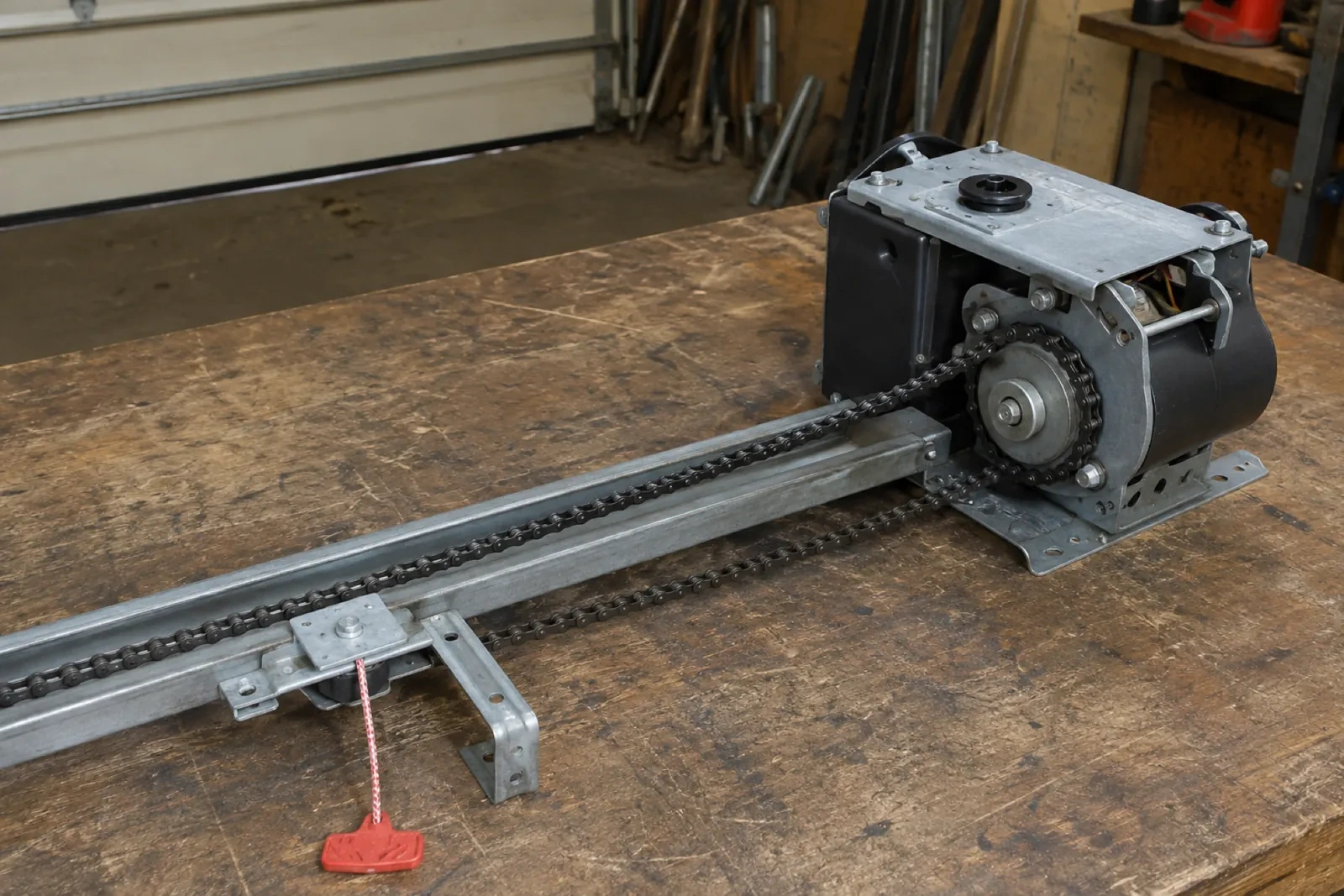
In many garages, yes. A conversion adds a shaft, centre and end bearings, drums and torsion springs above the opening and removes the extension springs and pulleys from beside the tracks. It needs enough headroom above the door for the shaft and solid framing for the centre bracket. The technician measures the space and the door before recommending it, and the result is smoother, more even lifting with hardware kept clear of the sides.
What should I do before the technician arrives?
Keep the door closed and leave it alone, move any vehicle you can reach out of the way or at least clear the space in front of the door inside the garage, and make sure there is room for a ladder beneath the shaft. Note whether there is one spring or two and whether a cable is loose. A photo of the spring area, the drums and the opener helps the technician bring the right parts.
What happens if the header wood or centre bracket is damaged?
The centre bracket anchors the spring's reaction force to the framing above the door, so it has to be solid. If the header has split or softened, or the lag bolts have pulled, the technician can refasten into sound wood, add a reinforcing plate or replace the bracket before the new spring is wound. Dealing with this first keeps the shaft level and the spring pulling straight, which protects the bearings and the door.
Related services
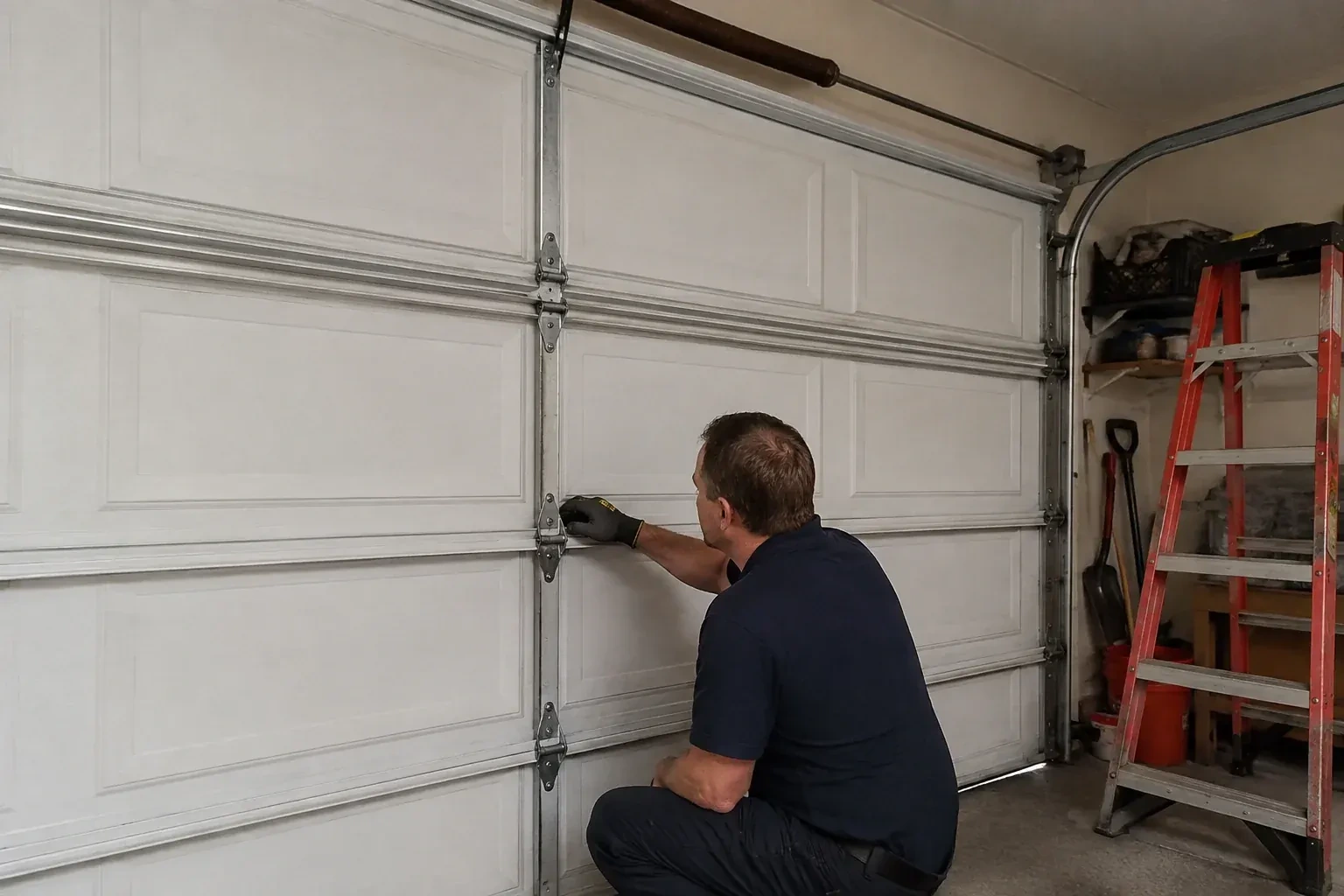
- Garage Door Hinge ReplacementOn the old wood door, one hinge has pulled away from the panel, dragging a screw and a chunk of soft timber with it.
- Garage Door Track Repair or ReplacementYou bought the house with a door that sticks near the top of its travel.
- Garage Door Cable ReplacementStanding inside with the door closed, you notice the cable on the right side near the floor has gone fuzzy.