New Doors · Niagara-on-the-Lake
Commercial Rolling Door Repair in Niagara-on-the-Lake
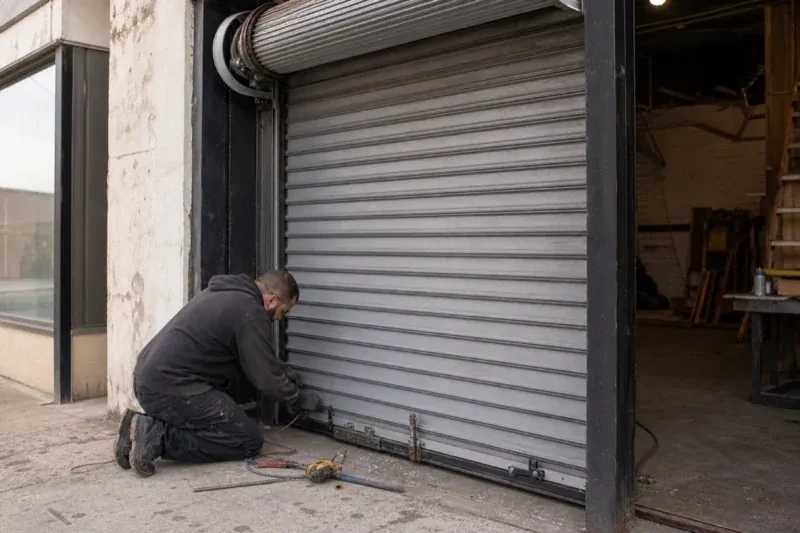
A lift truck clipped the lower curtain during unloading.
In plain words
The useful decision is not simply repair versus replacement; it is which path fits the identified curtain, structure, duty and operating system. Localised slat, guide, seal, chain or control faults often support a component repair. Widespread curtain distortion, repeated impacts, worn major assemblies or an operator that no longer suits the door's use may justify a broader plan. Measurements, model information, fire-rating status and the condition of connected parts make that choice concrete. The quote can then separate the current authorised work from optional improvements such as added vehicle detection, guarding or revised controls.
How the visit goesCold-weather moisture has frozen the bottom seal to the sill, and salty grit has collected along the guide entrances. The door chatters during its first cycle and leaves a visible gap after it reaches the closed limit.
Commercial Rolling Door Repair
How the visit goes
Measure guides and building attachment
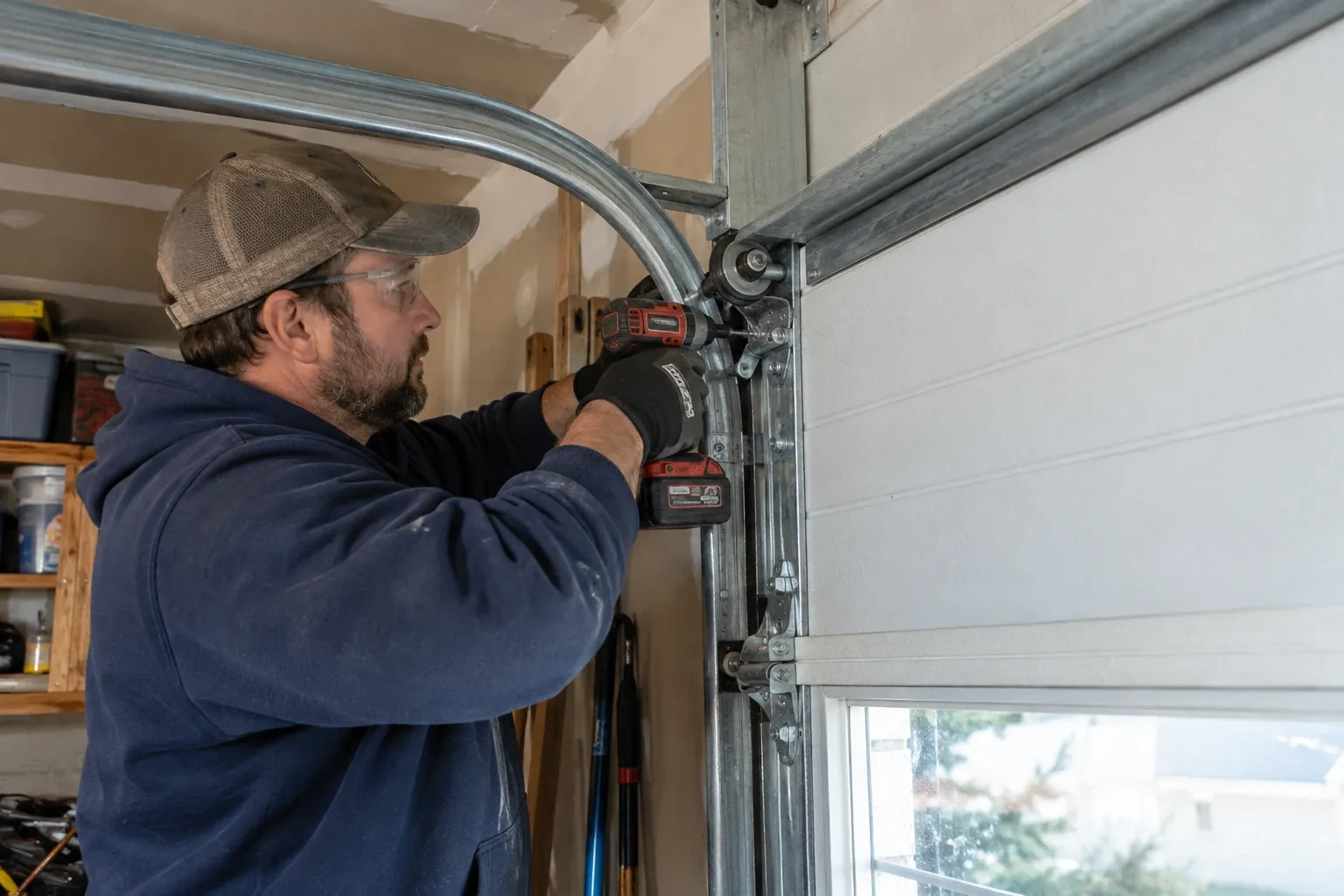
Guides need consistent clearance and solid support to direct a rolling curtain. Their gap is compared from floor to head, both sides are checked for plumb and parallel, and the bellmouths and stops are examined where the curtain enters. Wall angles, bracket connections, anchors and the surrounding jamb are reviewed for looseness, corrosion or movement after an impact. A door can have straight slats and still bind when the opening has shifted around it. Measuring the support surfaces separates a door-component repair from structural or masonry work that needs its own responsible party.
Correct counterbalance and barrel issues
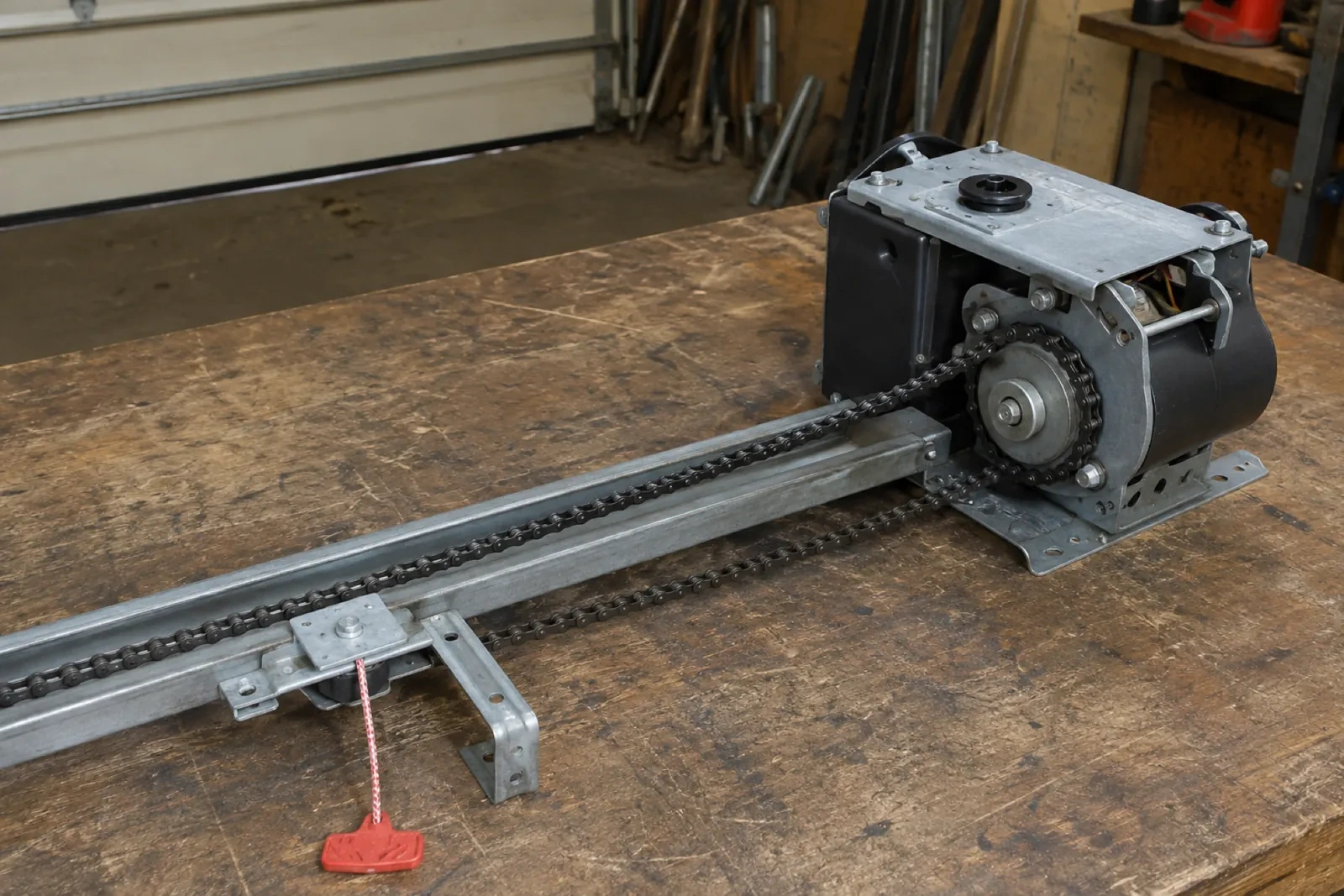
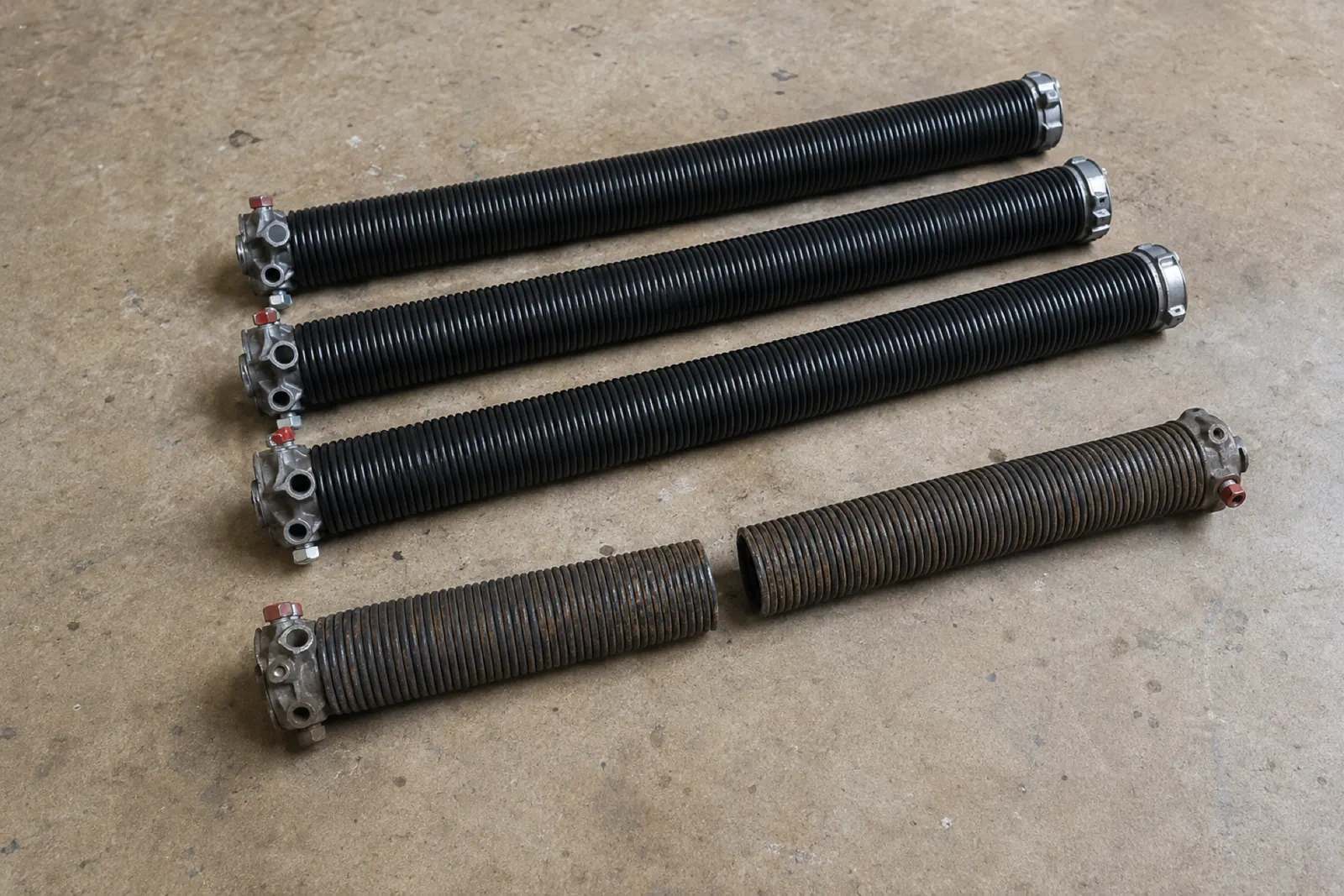
Barrel work is performed with the curtain secured because the internal or connected springs hold substantial tension. Bearings, brackets, shafts, tension wheels and fastening points are addressed first so the assembly has stable support. Spring adjustment follows the identified door procedure using proper winding bars and controlled increments, with operating effort checked between changes. The aim is balanced travel across the full opening, not a setting that merely feels light at one position. Drive sprockets, keys and roller chain are aligned and secured as part of the same mechanical path before power is returned.
Predictable travel through the opening
After repair, staff have a door that follows a repeatable path from sill to hood. The bottom bar rises level, slats enter both guides without a recurring scrape, and the curtain forms an orderly coil rather than wandering toward one bracket. Open and closed limits match the usable doorway, and the normal control produces the expected start, stop and direction. The technician demonstrates a complete cycle and points out the ordinary sounds of the assembly so a future change is easier to recognise. This clear operating baseline is often the most useful outcome for a busy facility.
Commercial Rolling Door Repair
In the van
Roller chain and sprockets
Operator brake and limits
Windlocks and curtain fasteners
Photoelectric sensors
Guides and bellmouths
Commercial Rolling Door Repair
What affects the quote
Controls and interlocks
Three-button stations, key controls, lock interlocks, pass-door interlocks and access-system inputs create different diagnostic paths. The quote identifies which door-side controls are included in testing.
Fire-protection label status
A labelled fire door needs assembly-specific component decisions, closing-path care and defined inspection or test records. Release-system and alarm-interface tasks remain visible as specialised line items.
Counterbalance condition
Spring adjustment, bearing service and replacement of worn barrel-related parts require different labour and controls. Door weight, spring arrangement and operating position shape the counterbalance plan.
What to have ready
- Does the curtain carry a visible fire-protection label?
- Can both sides of the opening be cleared for work?
- Has manual effort, noise or travel changed gradually?
Commercial Rolling Door Repair: questions
QuestionsWhy is there a grinding or clattering sound near the hood?
Noise at the head can come from worn barrel bearings, loose brackets, misaligned drive chain or sprockets, shifting slats, an uneven coil or hardware contacting the hood. The pattern matters: once per revolution suggests something different from continuous guide scrape. Controlled observation locates the source before a specific part is selected.
What happens to a powered door during a power interruption?
Commercial operators commonly include a manual hoist, hand chain or disconnect arrangement, but the sequence varies by system. Staff are shown the intended changeover and normal manual effort after repair. The door must still move freely and remain balanced; the emergency method is an operating feature, not a substitute for correcting a binding curtain or worn component.
How often should a commercial rolling door be inspected?
Follow the door and operator manufacturers' intervals, adjusted for cycle count, exposure, impacts and facility conditions. Industry guidance supports periodic technician inspection at least annually for rolling doors, while a labelled fire door also follows the applicable fire-safety inspection and testing requirements. Visible facility checks between visits help identify changes early.
Related services
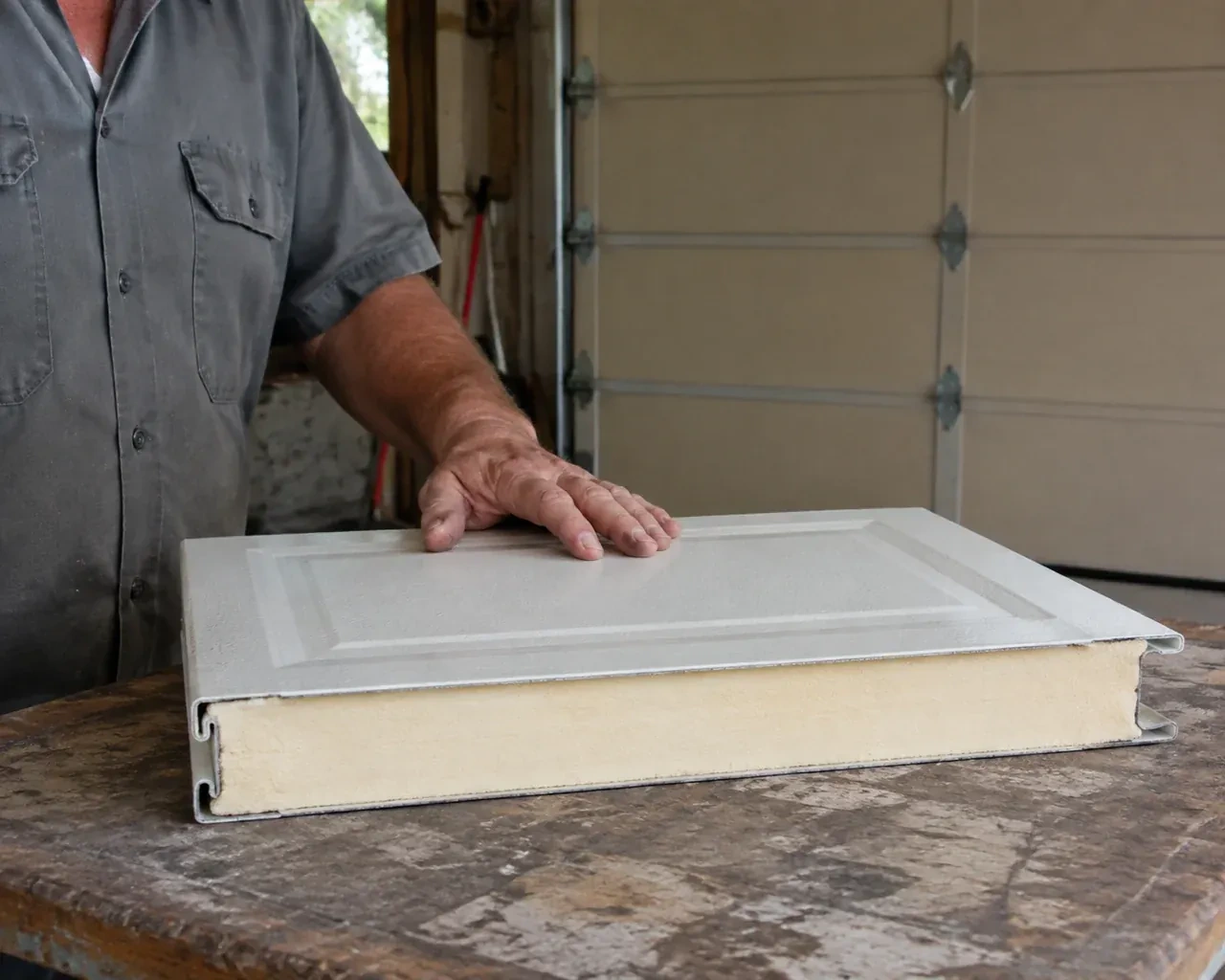
- Insulated Steel Garage Door InstallationThe opener strains as the heavy older door starts upward, and manual movement feels uneven.
- Wind-Rated Garage Door ReplacementThe property faces open fields, leaving the garage frontage more exposed than neighbouring homes sheltered by trees and buildings.
- Carriage-House Garage Door InstallationCold air is noticeable around the current door, especially near the floor and section joints.