New Doors · Port Weller
Commercial Rolling Door Repair in Port Weller
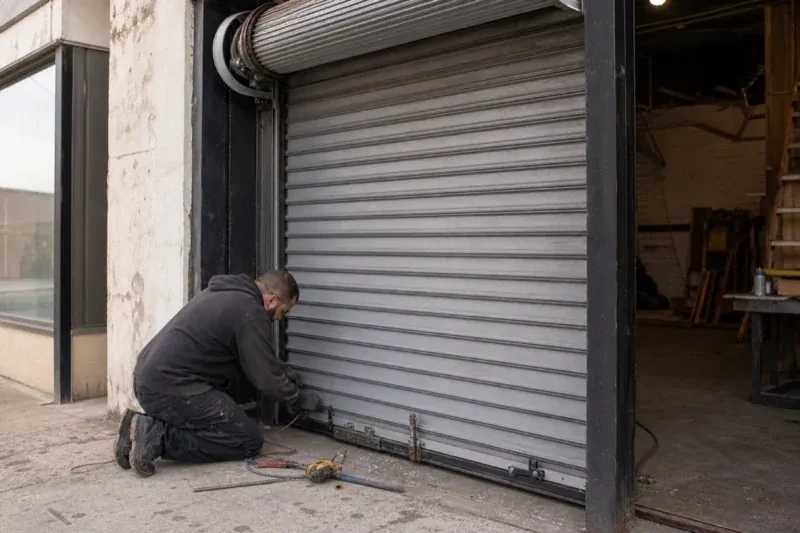
A lift truck clipped the lower curtain during unloading.
In plain words
A labelled rolling fire door is both an operating door and part of a fire separation, so its identity shapes the repair. Labels, curtain construction, guides, release hardware and the closing path are recorded before component choices are made. Parts and procedures must suit the listed assembly, while inspection, release testing and documentation remain visible in the scope. The normal operating function is checked alongside the applicable fire-door sequence. This produces a repair record the facility can retain with its fire-safety information and keeps unrelated alterations from being folded casually into routine rolling-door work.
How the visit goesThe hand chain takes far more effort than it did last month. The curtain feels heavy from the first pull, pauses around mid-travel, and settles downward instead of holding a steady position.
Commercial Rolling Door Repair
How the visit goes
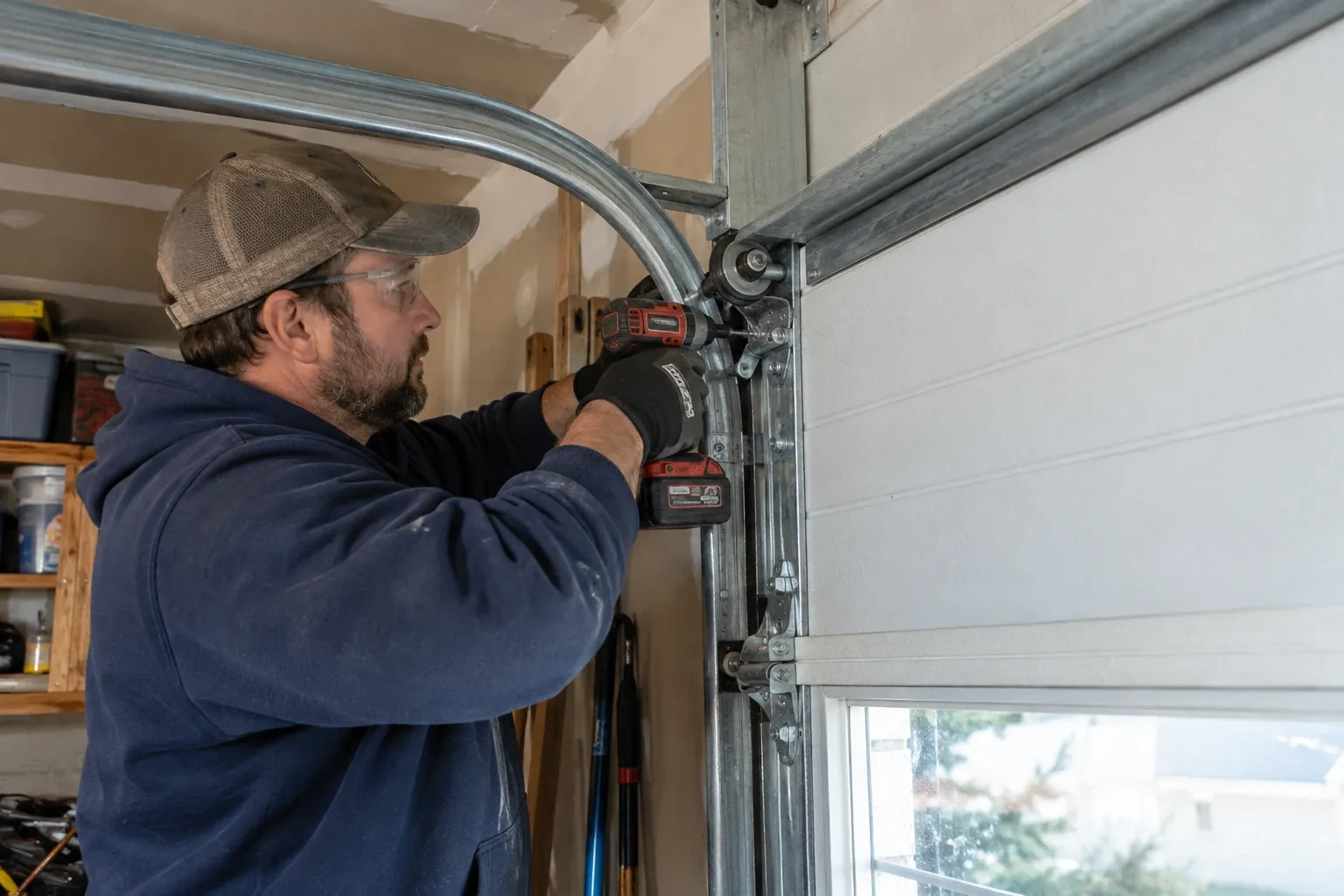
Follow the powered control chain
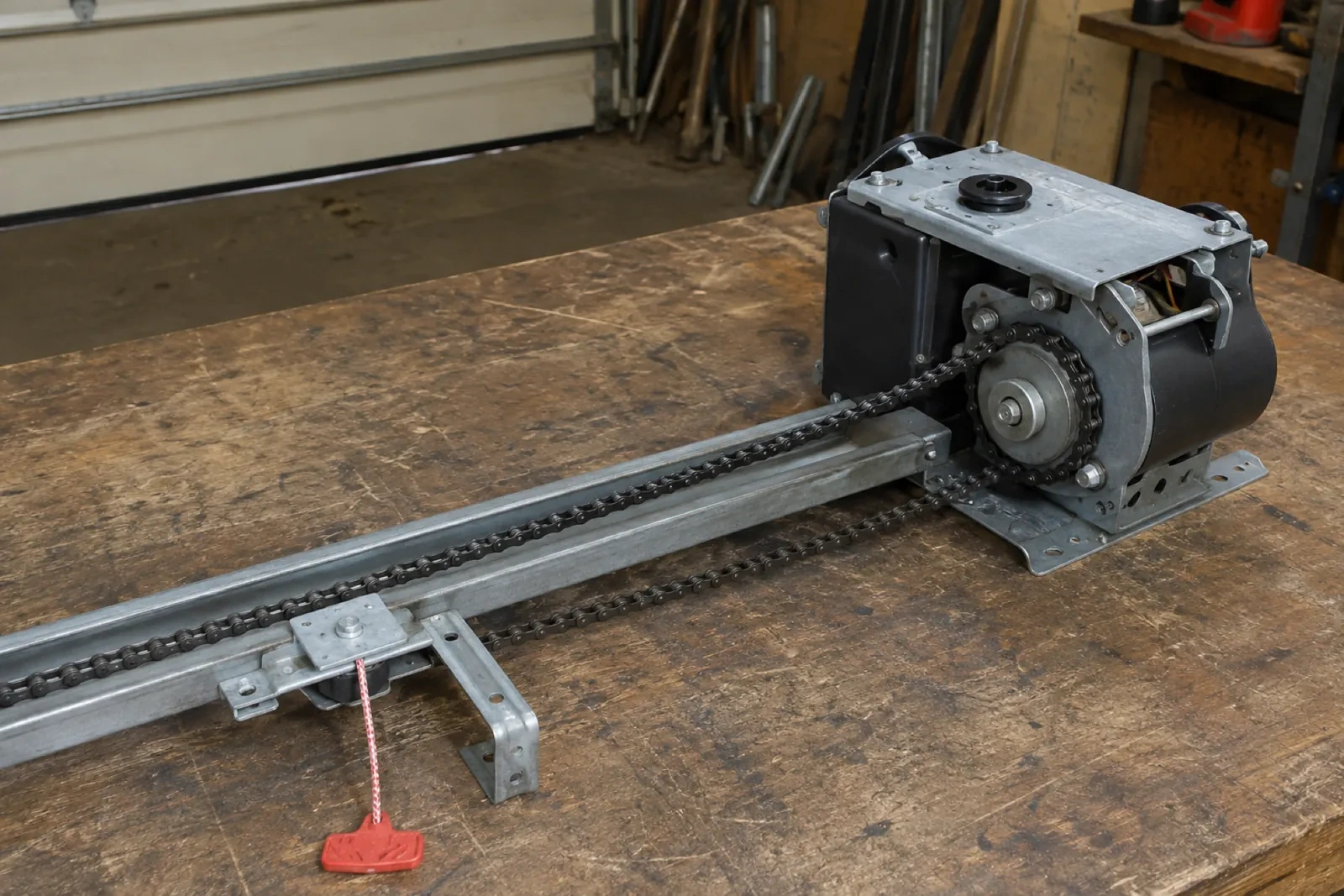
For a motor-operated door, the assessment moves from command to motion in a defined sequence. The control station, key switch or access input is observed; lock and pass-door interlocks are checked where present; then the operator brake, drive, limits and manual hoist or disconnect are reviewed. Photoelectric sensors and sensing edges are identified by function rather than assumed to be interchangeable. Their mounting, wiring condition, alignment and response are checked against the operator information. This approach shows whether a stopping complaint comes from protective logic, a control fault, limit setting or resistance in the door itself.
Cycle, observe and document the result
The repaired door is returned to service through a measured test sequence. Initial movement is slow and closely observed at the guides, coil, bottom bar, brackets and drive. Several full cycles follow, using the normal control and the manual method where applicable, while the technician listens for repeatable noise and checks stopping positions. Locks, interlocks and protective devices are tested at their proper stage. The handover record identifies parts changed, settings established, functional checks completed and any connected condition assigned to another scope, giving facility staff a practical baseline for future inspections.
Better contact at the weather line
Where sealing work was included, the renewed astragal follows the sill with consistent contact and the curtain closes without pressing the seal flat. Staff can preserve it by clearing abrasive grit, packaging and frozen buildup before cycling the door. Drainage near the opening should direct meltwater away from the bottom bar, and sensor faces benefit from a gentle wipe after salt spray. The service notes identify the lubricant and cleaning approach suited to the installed product. These routines support smooth winter movement and help the lower curtain, guides and fasteners remain easy to inspect.
Commercial Rolling Door Repair
In the van
Roller chain and sprockets
Operator brake and limits
Windlocks and curtain fasteners
Photoelectric sensors
Guides and bellmouths
Commercial Rolling Door Repair
What affects the quote
Testing and documentation
Normal cycles, manual operation, protective responses, fire-door procedures and facility records vary by assembly. The proposal can name the demonstrations, measurements and written results included at handover.
Guide and jamb condition
The quote reflects guide straightening or replacement, wall-angle fasteners and measured alignment. Moved masonry, steel framing or a struck jamb can add separately responsible building work.
Powered operator repairs
Brake, motor, reduction, sprocket, roller chain, limits and internal controls are assessed separately. The operator's identity and compatibility with the balanced door guide part selection.
What to have ready
- Is the curtain fully open, closed or stopped between limits?
- Is the door push-up, hand-chain or motor operated?
- What vehicles and pedestrians normally use this doorway?
Commercial Rolling Door Repair: questions
QuestionsWhy is there a grinding or clattering sound near the hood?
Noise at the head can come from worn barrel bearings, loose brackets, misaligned drive chain or sprockets, shifting slats, an uneven coil or hardware contacting the hood. The pattern matters: once per revolution suggests something different from continuous guide scrape. Controlled observation locates the source before a specific part is selected.
What happens to a powered door during a power interruption?
Commercial operators commonly include a manual hoist, hand chain or disconnect arrangement, but the sequence varies by system. Staff are shown the intended changeover and normal manual effort after repair. The door must still move freely and remain balanced; the emergency method is an operating feature, not a substitute for correcting a binding curtain or worn component.
How often should a commercial rolling door be inspected?
Follow the door and operator manufacturers' intervals, adjusted for cycle count, exposure, impacts and facility conditions. Industry guidance supports periodic technician inspection at least annually for rolling doors, while a labelled fire door also follows the applicable fire-safety inspection and testing requirements. Visible facility checks between visits help identify changes early.
Related services
- Insulated Steel Garage Door InstallationThe opener strains as the heavy older door starts upward, and manual movement feels uneven.
- Wind-Rated Garage Door ReplacementThe property faces open fields, leaving the garage frontage more exposed than neighbouring homes sheltered by trees and buildings.
- Carriage-House Garage Door InstallationCold air is noticeable around the current door, especially near the floor and section joints.